
Treatments For SIBO
Small Intestinal Bacterial Overgrowth (SIBO) arises when excessive bacteria accumulate in the small intestine, leading to symptoms like bloating, diarrhea, and abdominal discomfort. While antibiotics are commonly prescribed, many individuals seek natural therapies to manage and alleviate SIBO symptoms.
.
A Comprehensive Natural Approach to SIBO Treatment
Specific dietary modifications, such as the low-FODMAP diet, have been shown to reduce fermentable carbohydrates that can exacerbate SIBO symptoms. Additionally, herbal antimicrobials like oregano, garlic, and berberine have demonstrated efficacy comparable to conventional antibiotics in many current studies.
Probiotics play a role in restoring a healthy gut microbiome, and digestive enzymes can aid in nutrient absorption, reducing gut symptoms and alleviating gastrointestinal distress.
By embracing these natural strategies, individuals with SIBO can take proactive steps toward managing their condition and improving their overall digestive health. In this blog post, we will explore the most effective natural treatments for SIBO, including dietary approaches, antimicrobial supplements, probiotics, and digestive enzymes

SIBO Diet
SIBO symptoms—such as bloating, stomach pain, diarrhoea, and constipation—can significantly impact your quality of life. When these symptoms are triggered by food and drink, it can be difficult to know where to turn. The right diet is a fundamental part of any SIBO treatment plan, and it plays a key role in your recovery.
When people think about SIBO treatment, they think mostly of diet. If you’ve been diagnosed with SIBO, understanding which foods can aggravate your symptoms and which foods are safe is essential. Managing SIBO effectively begins with making informed dietary choices that fully support your recovery.
SIBO Diet: Not One-Size-Fits-All
Your digestive tract contains a unique balance of bacteria that may differ from others. Therefore, the foods that work for one person may not be suitable for another. The goal of a SIBO diet is to identify which foods trigger symptoms and create a personalised eating plan that works for you.
In my clinical experience, it’s unnecessary to avoid certain foods indefinitely. Some patients who initially restrict their diet for SIBO treatment continue to do so long after recovery, which isn’t ideal. Once you identify and remove symptom-triggering foods, uncomfortable symptoms like bloating and gas can improve quickly. We will discuss the most common SIBO diet approach later in this article, including our own clinic recommendations.
An important point before we even think about a healthy whole-foods diet is to stop making poor food choices first, and to be less anxious about healthy foods:
Consume fewer foods that feed dysbiotic bacterial and fungal overgrowth, thereby alleviating gut symptoms and promoting healing.

Overcoming the Fear of Certain Foods
Chronic SIBO patients sometimes develop a fear of certain foods, believing that these could set off unwanted reactions. This mindset is common and entirely understandable, especially among those who have suffered long-term symptoms, such as chronic diarrhoea, bloating, and gut pain.
Unfortunately, this fear is often reinforced by rigid “allowed” and “forbidden” food lists found on some SIBO, IBS, and Candida overgrowth websites.
The truth is, many foods can be successfully re-introduced over time after recovery, and avoiding them forever is not necessary nor desirable when it comes to gut bacterial diversity.
A more flexible approach to the SIBO diet, is where you gradually experiment with foods and assess how they affect your gut and health, it is much more effective ion the long-term in our experience. It also tends to make it less likely that you’ll revert back to poor dietary ways. Let’s now look at the SIBO diet first steps to take:

Stage 1: Clean Up Your Gut and Diet
Before embarking on an appropriate SIBO diet, it’s crucial to clean up your current diet. This initial phase is one of the most important steps in your recovery. Cutting out junk food, processed meals, and sugary drinks will prepare your your gut and body for the dietary changes ahead.
Rather than abruptly changing your diet, take a gradual approach—what I call the “warm turkey” method, instead of going “cold” turkey. This approach is ideal for individuals who want to avoid unnecessary gut aggravations when transitioning to a healthier diet. Gradually reducing poor food choices, like alcohol, caffeine, and sugar, will help your digestive system adjust without causing additional stress.
Ultimate Candida Cleanse Program
The clean-up phase is vital for those who consume processed foods or alcohol regularly. If your diet includes fast food, sodas, or excess caffeine, it’s important to gradually reduce these over a two-to-four-week period, before starting the SIBO (carb) elimination phase.
A good way to initiate a gut and digestive system cleanse is to undertake our Ultimate Candida Cleanse Program – More Information
Patients who already lead a relatively clean lifestyle may only need a brief one-week clean-up phase. For others, especially those who have been accustomed to unhealthy eating and living, the process may take longer, but the effort will most certainly pay-off in the long term.
Gradual Transition: Key to Success
Switching from a diet high in processed foods to a whole-foods diet can be challenging. As with any major lifestyle change, a gradual transition is crucial to avoid overwhelming your digestive system. Sudden changes may lead to discomfort, but a slow and steady approach will allow your gut to adapt, reducing symptoms like bloating, gas, and irregular bowel movements. You will find high-quality probiotics to help a lot during this stage.
Conclusion: Consistency and Patience
SIBO treatment isn’t just about what you eat—it’s about how you transition to a healthier way of eating and living. While a strict elimination diet may offer quick results, the most successful recovery occurs when you approach your diet gradually. With patience and consistency, you can effectively manage your symptoms and restore balance to your gut microbiome.
Key Take-Away
Stage 2 – Specific Carbohydrate Elimination Diet
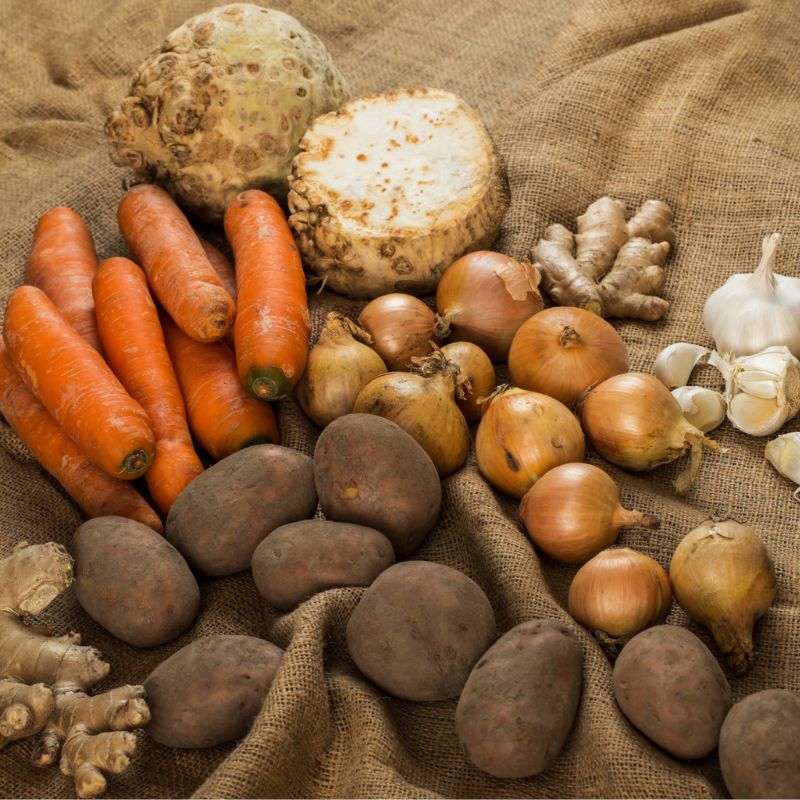
After completing the diet clean-up phase, where you removed refined carbohydrates, alcohol, sugary foods, you’ll now move into the second stage: the specific carbohydrate elimination phase.
This phase will require you to further restrict certain types of carbohydrates that may potentially feed harmful dysbiotic bacteria, Candida, and other yeast species in your small intestine.
Before commencing this stage, you will have been avoiding:
While one cup of coffee (no sugar or sweetener) per day is OK, it’s important to listen to your body. If you notice any adverse effects, it’s best to avoid coffee and caffeine altogether. For those accustomed to multiple caffeinated drinks, it’s recommended to reduce to just one cup daily.
Why Carbohydrates Matter
By restricting carbohydrate-rich foods during this phase, we minimise the food supply for these unwanted levels of micro-organisms, helping to control bacterial and fungal overgrowth thereby reducing symptoms.
Limiting Fermentation
When bacteria or yeast consume carbohydrates, they produce gases as a by-product, a process known as fermentation. This process can lead to bloating, gas, and discomfort. The goal of the SIBO elimination diet is to reduce fermentation by limiting foods that contribute to this process.
Reducing carbohydrates—particularly FODMAPs (Fermentable Oligosaccharides, Disaccharides, Monosaccharides, and Polyols)—helps to keep fermentation levels low in the gut. While some carbohydrates like asparagus, bananas, or onions are healthy, they can trigger symptoms in certain individuals, the trick is in finding your own personal food triggers during this stage.
What to Avoid During the SIBO Elimination Phase
During this phase, you’ll want to avoid:
By eliminating any problematic foods, you can reduce the bacterial fermentation that causes discomfort, and help your digestive system stabilise. We’ll go into more detail about the best and worst SIBO food choices down below. Here are a few more pages that can help you identify, withdraw, and then challenge potential trigger foods as you improve, they form part of our Candida Cleanse Advanced program, a continuation of the Beginner program.
A good way to fully understand and implement food withdrawal and food challenge is to undertake our Ultimate Candida Cleanse Program, consisting of advanced modules including the Low-Reactive Diet followed by Food Re-Introduction.
6 Most Popular SIBO Low-Fermentation Diets
The most important point to keep in mind when choosing a SIBO diet is to understand is that all dietary recommendations proposed by somebody else, are meant to be guidelines only, and should be customised to meet your own specific needs.
There are several established diets recommended for SIBO, here are six of the most popular:
Each of these diets is essentially a carb-elimination diet, which means that you will be removing various fermentable food items from your diet. Some diets are stricter than others, the Elemental Diet is the stricter diet, followed by the SC Diet. An easier-going option is the FODMAPs diet approach, giving you more flexibility when it comes to food choices.
Let’s now discuss each of these six diets in brief:

1 – The Elemental Diet
The Elemental diet is a highly restrictive approach designed for those with severe gut issues, such as chronic SIBO, IBD (Crohn’s disease, ulcerative colitis), or patients recovering from gastrointestinal surgery.
An elemental diet is a low-allergenic, protein-free, artificial diet consisting of the simplest formulations of essential amino acids, glucose, medium-chain triglycerides, vitamins, and minerals.
This diet eliminates solid foods entirely, replacing them with nutritionally complete liquid formulas. These formulas are in easily digestible forms, bypassing fermentation by dysbiotic bacteria in the gut.
Key Features:
Benefits & Challenges:
- Effective for Severe Cases: Research shows that the diet may induce remission in conditions like Crohn’s disease, with 80-100% success in compliant patients.
- May Include Herbal Supplements: Combining this diet with anti-microbial supplements can enhance the elimination of unwanted microorganisms.
- Not for Everyone: The restrictive nature and cost of the diet (up to $1500) make it unsuitable for most people.
Key Take-Away
This approach is primarily for those with the most severe conditions, where other dietary changes have failed. A study has shown with Crohn’s disease, the results are excellent with 80-100% of compliant patients going into remission within 2-3 weeks (Hunter 2015).

2 – The Specific Carbohydrate (SC) Diet
The Specific Carbohydrate Diet (SCD) is a restrictive dietary approach, though not as extreme as the Elemental Diet. Created in the 1950s for celiac disease patients, it was later popularized by Elaine Gottschall after successfully helping her daughter recover from gut issues. This diet is often considered when other elimination diets, such as Low FODMAPs, have not provided symptom relief.
SCD focuses on tightening carbohydrate choices to reduce symptoms like bloating and gas. It is particularly beneficial for IBS and SIBO patients who have ongoing digestive discomfort despite following other diets.
For those still experiencing symptoms on Low FODMAPs, a stricter carbohydrate restriction with SCD for 2–4 weeks may help determine if further dietary adjustments are needed.
Key Features of the SCD Diet
This diet prioritizes simple sugars found in fruits and vegetables while avoiding harder-to-digest complex carbohydrates that may contribute to gut dysfunction.

3 – The GAPS Diet
The GAPS Diet – Gut and Psychology Syndrome Diet
Developed by Dr. Natasha Campbell-McBride, the GAPS diet is designed to support individuals dealing with both gastrointestinal and neurological conditions by restoring gut health. This diet is based on the idea that an imbalanced gut microbiome can contribute to a range of health issues, from digestive disorders to cognitive and emotional challenges.
By focusing on nutrient-dense, easily digestible foods, the GAPS diet aims to heal the intestinal lining, reduce inflammation, and support microbial balance. It eliminates foods that can be difficult to digest or disruptive to gut flora, replacing them with foods that encourage gut repair and overall well-being.
Core Principles:
Who May Benefit:
By improving gut health, the GAPS diet seeks to positively impact both physical and mental well-being.

4 – The Low FODMAPs Diet – Most Popular SIBO Diet
Let’s now discuss the most popular SIBO diet, the FODMAPs diet.. You can read a much more comprehensive page about the low-FODMAPs diet, on the FODMAPs dietary approach page.
The Low FODMAP diet is one of the most well-known dietary approaches for managing digestive disorders, including IBS and, to some extent, SIBO. FODMAPs are a group of poorly absorbed carbohydrates that attract water into the small intestine and ferment in the large intestine, producing gas. This fermentation can lead to bloating, discomfort, and other gut symptoms, especially in individuals with sensitive digestive systems.
Understanding FODMAPs
FODMAPs are categorised into five main groups:
Benefits and Limitations
Low-FODMAP Foods to Eat:
These foods are less likely to trigger gut symptoms and can be part of a balanced, SIBO-friendly diet.
Summary of Foods to Enjoy:
By following these food lists, you can maintain a nutritious and balanced low FODMAP diet while minimising digestive discomfort.
High-FODMAP Foods to Avoid:
These foods are more likely to trigger unwanted gut symptoms, like bloating, gas, or diarrhoea. These are the foods we’ll need to e cautious with SIBO.
Eliminating FODMAPs from your SIBO diet, focus on the main categories, including:
Trial Elimination Of Highest-FODMAPs Food
Foods you may want to consider temporarily eliminating from your diet that include higher amounts of FODMAPs include:
Key Take-Away
This approach is worth considering, especially for individuals struggling with bloating and gas, but should not be seen as a long-term solution.

5 – The SIBO Specific Diet – (SC Diet and FODMAPS diet combined)
Dr. Allison Siebecker’s SIBO Specific diet blends low FODMAPs and SCD diets to relieve symptoms in individuals with SIBO. Despite being a highly limited diet, it can provide better symptom relief for some people, especially with chronic patients.
This diet is divided into different food groups including vegetables, fruits, legumes and beans, nuts and seeds, dairy, protein and meats, sweeteners, beverages and alcohol, fats and oils, and seasonings and condiments. The colour-coded columns in each category indicate the fermentability level, with less fermentable foods usually causing fewer symptoms for people with SIBO.
Dr. Alison Siebecker has provided a down-loadable PDF SIBO-specific food guide for you to access.

6 – C-SD Diet – Cedars-Sinai Low Fermentation Diet
The C-SD diet, developed by Dr. Mark Pimental, is a modified low-fermentation diet that works well in the recovery stages of SIBO, especially for those who suffer from digestive diseases like IBS.
The advantage of the C-SD diet is that it allows for modest amounts of carbs and sugars in the diet, and it can be used successfully in SIBO patients once symptoms have improved. It also works well in mild SIBO cases, and when the person is becoming increasingly tolerant of foods they once had trouble with.
Key Features
Benefits & Application
Key Take-Away
The C-SD diet provides a balanced approach to healing and maintenance, making it suitable for those ready to expand their diet while continuing to manage SIBO symptoms effectively.

Our SIBO Diet and Treatment Approach
Our perspective on SIBO treatment significantly differs from the conventional medical approach.
Rather than focusing on eliminating bacteria indiscriminately, we believe the key to overcoming SIBO lies in improving gut microbial balance and overall gut function. This includes:
- Consuming the right foods to support a balanced microbiome
- Using herbs and spices that naturally restore gut harmony
- Enhancing digestion and motility to prevent bacterial overgrowth
Do You Need Professional Guidance?
.Many SIBO and IBS patients seek help because they are overwhelmed by conflicting online dietary advice. If you cannot visit a practitioner for some reason, our programs serve as a structured, step-by-step guides, comparable to clinical consultations in our office, but free of charge.
You’ll learn all about gut bowel, gut, and liver cleansing, in addition to real food challenges and eliminations as you go through the Candida Cleanse Advanced Program, where we account for individual tolerances and provide practical, real-world dietary strategies for those with SIBO, Candida overgrowth, IBS, and IBD.
Our programs or recommendations are never a substitute for professional medical health-care, and for this reason we urge you to seek medical care when required, or to work in-conjunction with your GP. That said, many individuals with chronic or recurrent gut problems should consider working with an experienced naturopath, nutritionist, functional medicine doctor, or chiropractor who specialises in SIBO.
You may need more or professional help if you:
The Ultimate Candida Cleanse Program accounts for these concerns and more, and can help refine your approach further.
The Importance of Individualised SIBO Treatment
Through stool and SIBO breath testing, our clinic found that each patient’s gut microbiome is unique, meaning, dietary and supplement protocols are best tailored accordingly. For example:

Finding the Right Doctor
Every naturopath, chiropractor, nutritionist, or functional medicine doctor has a different approach. Some excel at customising SIBO diets, while others focus on testing and antimicrobial treatments.
IFM (Institute for Functional Medicine) has the largest functional medicine referral network in the world , with over 3,100 doctors in more than 74 countries.
An incredible 73% of these doctors are in the United States, while the remaining 27% are located internationally.
Click HERE to find a doctor near you.
How to find the right practitioner:
While experienced practitioners may charge more up-front, they often save you time, money, and frustration in the long run. If you cannot find a SIBO specialist, seek out a general gut-health expert (who may focus on Candida, IBS, or IBD) and ensure they offer a comprehensive program, including dietary adaptation for sustained remission.
SIBO Treatment Recommendations
The Most Effective SIBO Treatment Plan
We’ve found that some individuals with SIBO only need dietary changes to resolve their symptoms. However, chronic, recurring, or severe SIBO cases require a considerably more structured approach. For the treatment of chronic and recurring SIBO, a good treatment program may include:
How Long Does SIBO Treatment Take?
The timeline for chronic SIBO treatment varies. While it is impossible to generalise with the recovery from any chronic health problem, we would expect on average:

Conventional SIBO Treatment: Antibiotics & Medications
The primary approach in conventional medicine for treating SIBO is antibiotic therapy. Antibiotics are used to reduce or eliminate bacterial overgrowth and alleviate the mucosal inflammation associated with malabsorption. (Dukowicz et al., 2007).
However, research suggests that the benefits of antibiotic treatment for SIBO may be short-lived. One clinical trial found that, on average, symptom relief lasted only 22 days.
As a result, patients required at least 12 antibiotic courses per year (each lasting seven days) to maintain symptom control. (Stefano et al., 2005).While this can eliminate bacterial overgrowth, it does not address the underlying cause and may lead to recurrence.
While antibiotics can sometimes be helpful, diet and lifestyle changes are crucial for long-term gut health.
Xifaxan (Rifaximin)
One of the most commonly prescribed antibiotics for SIBO in the United States is Xifaxan (Rifaximin). While I have not personally prescribed this medication, I have worked with many patients who were prescribed Rifaximin by their healthcare providers, particularly in the United States. Xifaxan is a prescription antibiotic primarily used to treat traveler’s diarrhea caused by E. coli and diarrhea-predominant IBS (IBS-D).

Why We Do Not Recommend Erythromycin
While some practitioners use the antibiotic drug erythromycin as a prokinetic agent after Rifaximin therapy, we do not recommend it due to its negative effects on gut health. We don’t recommend erythromycin as a valid treatment for SIBO, or any gut condition due to the side-effects on the gut (Hao et al., 2019), (Sarna et al., 1991).
Research has shown that low-dose erythromycin can cause significant changes in the gut microbiome, including:
These effects were observed in a study where healthy adults took low-dose erythromycin for four weeks (Choo et al., 2023).
Take-Away
While antibiotics like Rifaximin may provide short-term relief for SIBO, they do not address the root cause of gut dysbiosis. A more sustainable approach focuses on dietary modifications, natural antimicrobials, probiotics, enzymes, and gut-supportive therapies. This holistic strategy helps restore gut function, preventing recurrence and promoting long-term digestive health
SIBO Is Highly-Treatable
The good news? SIBO is treatable. With the right strategy, patience, and consistency, you can regain gut balance and prevent recurrence. If you are looking for a step-by-step program, check out our Ultimate Candida Cleanse Program which provides a holistic, naturopathic approach to treating SIBO, IBS, Candida, and other gut-related conditions. By following the right treatment plan, making the necessary dietary adjustments, and considering targeted supplements, you can achieve lasting gut health and digestive comfort.
Can You Treat SIBO With Dietary Supplements?
The Past Approach to Gut Issues
Despite the lack of clear findings, the standard medical response has often been to prescribe precautionary antibiotics—an approach that remains common today. While antibiotics sometimes provided temporary relief, symptoms frequently returned once the course ended. This recurring pattern reinforced what I had long suspected: gut imbalances are not purely bacterial but often involve yeast overgrowth as well. To achieve a more complete and efficient recovery, it is crucial to support both bacterial and yeast balance in the gut rather than relying solely on antibiotics.
A Breakthrough: Addressing Bacteria and Yeast Together
Over time, I discovered that patients achieved the best results when treatment targeted both bacterial and yeast overgrowth simultaneously. This realisation marked a turning point in my career, leading me to develop specialised herbal and spice-based supplements designed to combat these imbalances while also nurturing the gut microbiome.
Unlike antibiotics, which can disrupt gut flora, the herbal formulations we recommend are both antimicrobial and restorative. When combined with a whole-foods diet, these treatments provide lasting relief for SIBO patients and contribute to long-term gut health improvement.
Yeastrix Supplements Specialised for SIBO Support
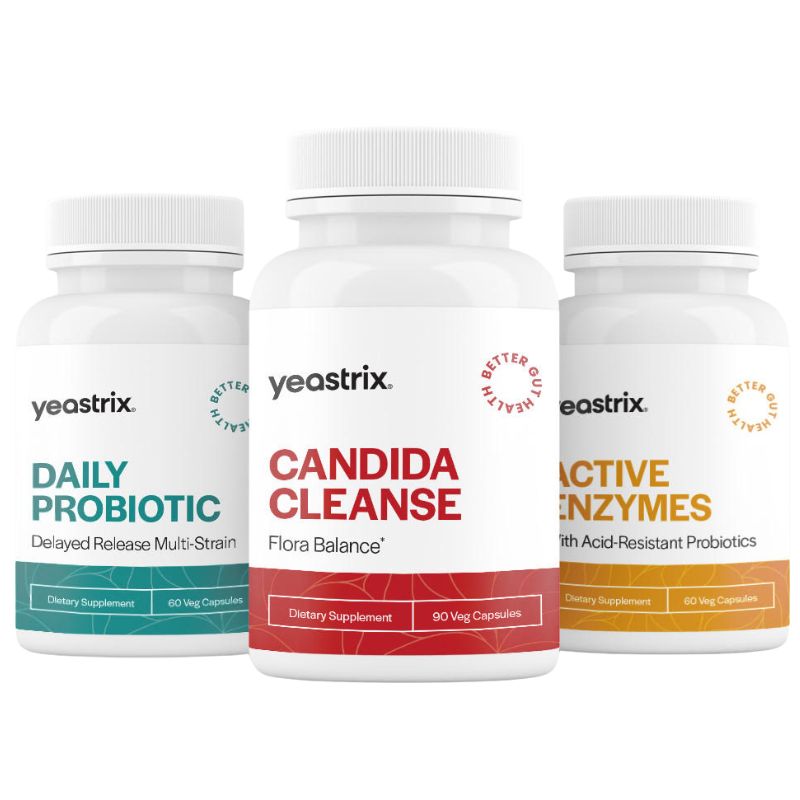
With nearly 40 years of expertise in natural approaches for IBS, IBD, and SIBO, our clinic has developed targeted diet, lifestyle, and supplement strategies to support gut health. High-quality supplements—such as antimicrobials, probiotics, and enzymes—play a key role in reducing SIBO symptoms and improving digestive function.
Research confirms the benefits of supplementation for SIBO patients. A recent study concluded that an antimicrobial botanical supplement regimen has significant therapeutic potential for SIBO. Additionally, it may increase SCFA-producing bacteria, decrease the F/B ratio, and improve markers of intestinal permeability (Min et al., 2024).
Through years of clinical practice and functional medicine testing, we have seen firsthand how the right digestive health products improve symptoms and patient outcomes—especially when paired with a balanced diet and lifestyle.
Recognising the need for evidence-based solutions, we developed Yeastrix, a third-generation gut health formula designed specifically for SIBO, IBS, Candida overgrowth, IBD, and gut imbalances. Backed by decades of research and experience, Yeastrix provides science-driven support for optimal digestive health.
The Power of Antimicrobials
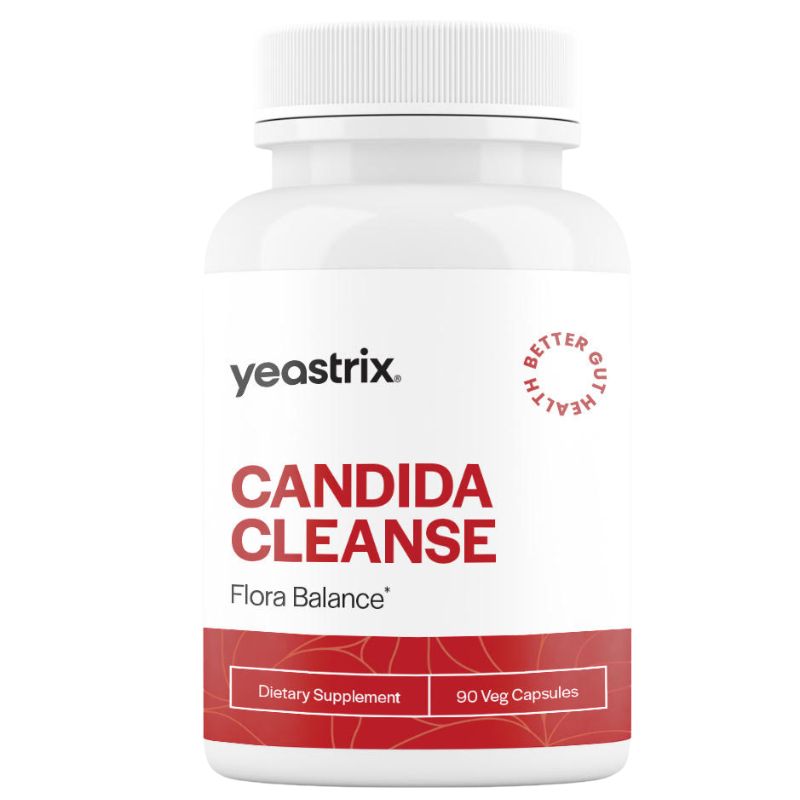
Yeastrix Candida Cleanse is an antimicrobial supplement that targets dysbiotic bacteria, Candida and fungal overgrowth, and also addresses a wide range of gut imbalances, making it a comprehensive solution for improving gut health in SIBO cases.

The Benefit of Probiotics
Probiotics can be beneficial, but prebiotics—often included in probiotic supplements—are fermentable foods for bacteria and can encourage overgrowth. Therefore, supplementary prebiotics are best avoided during treatment. A quality probiotic formula with a high CFU count and diverse array of Lactobacillus and Bifidobacteria species is desirable.
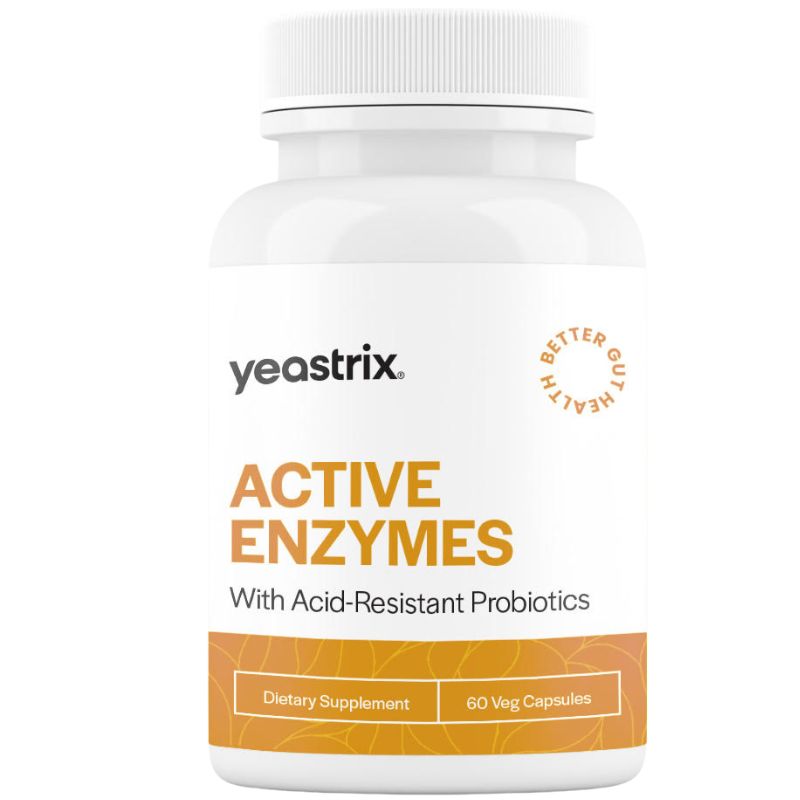
The Efficiency of Enzymes
Digestive enzymes can be of significant benefit for the SIBO patient when it comes to improving symptoms and digestion in general. Enzymes can help to promote optimal digestion and nutrient absorption, in addition to balancing the body’s inflammatory response.
Functional medicine experts may also recommend additional supplements to support gut healing, including:
Take-Away
The right supplements—particularly probiotics, enzymes, and antimicrobials—can be a game-changer for SIBO and IBS. With years of clinical experience and research behind them, Yeastrix products offer a vital component of a comprehensive IBS management plan, whether used alone or alongside diet and lifestyle adjustments.
SIBO Prevention
Preventing SIBO from recurring requires more than just antibiotics, as symptoms often return within months, especially if an underlying condition predisposes you to bacterial overgrowth. Since antibiotics offer only a short-term fix, addressing the root cause is crucial.
If an existing medical condition contributes to SIBO, managing it more effectively may help. In some cases, structural issues might require surgical intervention, while adjustments to medications or alcohol intake can also reduce bacterial overgrowth.
For those unable to pinpoint the exact cause, long-term management strategies include dietary changes and probiotics. While research on these approaches remains inconclusive, many individuals find them helpful. As you finish antibiotics, consider limiting carbohydrates for a few weeks to avoid feeding harmful bacteria and introducing beneficial strains through daily probiotic use.
Key Takeaways:
Thanks for reading our comprehensive SIBO Treatment page, please leave a comment with any suggestions or tips for others.
SIBO Study References
Dukowicz AC, Lacy BE, Levine GM. Small intestinal bacterial overgrowth: a comprehensive review. Gastroenterol Hepatol (N Y). 2007. Link
Martins CP, Chaves CHA, Castro MGB, Gomes IC, Passos M. Prevalence of Small Intestine Bacterial Overgrowth in Patients with Gastrointestinal Symptoms. Arq Gastroenterol. 2017. Link
Quigley EM. Small intestinal bacterial overgrowth: what it is and what it is not. Current opinion in gastroenterology. 2014. Link
Ghoshal UC, Shukla R, Ghoshal U. Small Intestinal Bacterial Overgrowth and Irritable Bowel Syndrome: A Bridge between Functional Organic Dichotomy. Gut and liver. 2017. Link
Sachdev AH, Pimentel M. Gastrointestinal bacterial overgrowth: pathogenesis and clinical significance. Therapeutic advances in chronic disease. 2013. Link
Triantafyllou K, Chang C, Pimentel M. Methanogens, methane and gastrointestinal motility. J Neurogastroenterol Motil. 2014. Link
Bures J, Cyrany J, Kohoutova D, et al. Small intestinal bacterial overgrowth syndrome. World JGastroenterol. 2010. Link
Rezaie A, Pimentel M, Rao SS. How to Test and Treat Small Intestinal Bacterial Overgrowth: an Evidence-Based Approach. Curr Gastroenterol Rep. 2016. Link
Lin HC. Small intestinal bacterial overgrowth: a framework for understanding irritable bowel syndrome. JAMA. 2004. Link
Pimentel M, Funsalus R, Rao S, Zhang H. Methanogens in human health and disease. Am J Gastroenterol Suppl. 2012. Link
De Lacy Costello BP, Ledochowski M, Ratcliffe NM. The importance of methane breath testing: a review. J Breath Res. 2013. Link
Kunkel D, Basseri RJ, Makhani MD, Chong K, Chang C, Pimentel M. Methane on breath testing is associated with constipation: a systematic review and meta-analysis. Digestive diseases and sciences. 2011. Link
Rezaie A, Buresi M, Lembo A, et al. Hydrogen and Methane-Based Breath Testing in Gastrointestinal Disorders: The North American Consensus. The American journal of gastroenterology. 2017. Link
Costa MB, Azeredo Jr IL, Marciano RD, Caldeira LM, Bafutto M. Evaluation of small intestine bacterial overgrowth in patients with functional dyspepsia through H2 breath test. Arq Gastroenterol. 2012. Link
Patil AD. Link between hypothyroidism and small intestinal bacterial overgrowth. Indian J Endocrinol Metab. 2014. Link
Pimentel M, Wallace D, Hallegua D, et al. A link between irritable bowel syndrome and fibromyalgia may be related to findings on lactulose breath testing. AnnRheumDis. 2004. Link
Chedid V, Dhalla S, Clarke JO, et al. Herbal therapy is equivalent to rifaximin for the treatment of small intestinal bacterial overgrowth. Global advances in health and medicine : improving healthcare outcomes worldwide. 2014. Link
Vantrappen G, Janssens J, Hellemans J, Ghoos Y. The interdigestive motor complex of normal subjects and patients with bacterial overgrowth of the small intestine. The Journal of clinical investigation. 1977. Link
Pimentel M, Morales W, Rezaie A, et al. Development and validation of a biomarker for diarrhea-predominant irritable bowel syndrome in human subjects. PloS one. 2015. Link
Grace E, Shaw C, Whelan K, Andreyev HJ. Review article: small intestinal bacterial overgrowth–prevalence, clinical features, current and developing diagnostic tests, and treatment. Alimentary pharmacology & therapeutics. 2013. Link
Pimentel M, Chang C, Chua KS, et al. Antibiotic treatment of constipation-predominant irritable bowel syndrome. Digestive diseases and sciences. 2014. Link
Pimentel M, Chatterjee S, Chow EJ, Park S, Kong Y. Neomycin improves constipation-predominant irritable bowel syndrome in a fashion that is dependent on the presence of methane gas: subanalysis of a double-blind controlled study. Digestive diseases and sciences. 2006;51(8):1297-1301. Link
Pimentel M, Lembo A, Chey WD, et al. Rifaximin therapy for patients with irritable bowel syndrome without constipation. The New England journal of medicine. 2011. Link
Pimentel M, Morales W, Lezcano S, Sun-Chuan D, Low K, Yang J. Low-dose nocturnal tegaserod or erythromycin delays symptom recurrence after treatment of irritable bowel syndrome based on presumed bacterial overgrowth. Gastroenterol Hepatol (N Y). 2009. Link
Ploesser J, Weinstock LB, Thomas E. Low dose naltrexone: side effects and efficacy in gastrointestinal disorders. International journal of pharmaceutical compounding. 2010. Link
Cook S. Small Intestinal Bacterial Overgrowth: A clinician’s guide to evaluation and treatment. 2017; http://www.naturalmedicinejournal.com/research-guide-library, 2017. Link
Sandberg-Lewis S, Siebecker A. SIBO: Dysbiosis Has A New Name. Townsend Letter. 2015(February/March). Link
Pimentel M. Review article: potential mechanisms of action of rifaximin in the management of irritable bowel syndrome with diarrhoea. Alimentary pharmacology & therapeutics. 2016. Link
Foxx-Orenstein AE, Camilleri M, Szarka LA, et al. Does co-administration of a non-selective opiate antagonist enhance acceleration of transit by a 5-HT4 agonist in constipationpredominant irritable bowel syndrome? A randomized controlled trial. Neurogastroenterology and motility : the official journal of the European Gastrointestinal Motility Society. 2007. Link
Saller R, Pfister-Hotz G, Iten F, Melzer J, Reichling J. [Iberogast: a modern phytotherapeutic combined herbal drug for the treatment of functional disorders of the gastrointestinal tract (dyspepsia, irritable bowel syndrome)–from phytomedicine to “evidence based phytotherapy.” A systematic review]. Forschende Komplementarmedizin und klassische Naturheilkunde = Research in complementary and natural classical medicine. 2002. Link
Malfertheiner P. STW 5 (Iberogast) Therapy in Gastrointestinal Functional Disorders. Digestive diseases. 2017. Link
Micklefield GH, Redeker Y, Meister V, Jung O, Greving I, May B. Effects of ginger on gastroduodenal motility. International journal of clinical pharmacology and therapeutics. 1999. Link
Kokubo T, Matsui S, Ishiguro M. Meta-analysis of oro-cecal transit time in fasting subjects. Pharmaceutical research. 2013. Link
Shah ED, Basseri RJ, Chong K, Pimentel M. Abnormal breath testing in IBS: a meta-analysis. Digestive diseases and sciences. 2010. Link
Banik GD, De A, Som S, et al. Hydrogen sulphide in exhaled breath: a potential biomarker for small intestinal bacterial overgrowth in IBS. Journal of breath research. 2016. Link
Pimentel M, Chang C, Chua KS, et al. Antibiotic treatment of constipation-predominant irritable bowel syndrome. Digestive diseases and sciences. 2014. Link

Eric Bakker N.D.
Greetings! I am a naturopathic physician from New Zealand. Although I’ve retired from clinical practice since 2019 after 34 years of clinic. I remain passionate about helping people improve their lives. You’ll find I’m active online with a focus on natural health and wellbeing education through my Facebook page, Reddit page and YouTube channel, including this website.