

What Is Pau Darco?
Pau d’Arco is a tree native to the Amazon rainforest and South America, well known for its medicinal bark. Known for its exceptionally hard wood and pink flowers, it has been used for centuries as a valuable source of hardwood timber, and in traditional medicine to address a wide variety of acute and chronic diseases.
The Pau D’Arco tree, scientifically recognised as Handroanthus impetiginosus, or also know as (Tabebuia impetiginosa or Tabebuia avellanedae), is a beautiful tree with rose-colored flowers. Commonly referred to as Teheebo or Lapacho, this tree has received global attention for its medicinal potential, particularly its anti-cancer properties (Zhang et al., 2020), (Nahar et al., 2023). It is also known as the pink trumpet tree.
Traditionally used by indigenous peoples in Central and South America, Pau d’Arco has a history of treating ailments such as skin conditions, digestive issues, and inflammation.

Pau D’arco Origins and Traditional Use
Originating in the Amazon rainforest, the bark and wood of the Pau d’Arco tree have been treasured for centuries in traditional medicine by indigenous cultures.
Despite Pau d’Arco’s longstanding use, its therapeutic potential was often compromised during its export from South America due to poor handling and storage practices.
Only in recent years have researchers been able to properly study and validate its impressive benefits for managing conditions such as arthritis, cancer, and other chronic diseases.
Rainforest famillies relied on this tree to address a wide range of ailments, including the following list:
The Pink Trumpet Tree
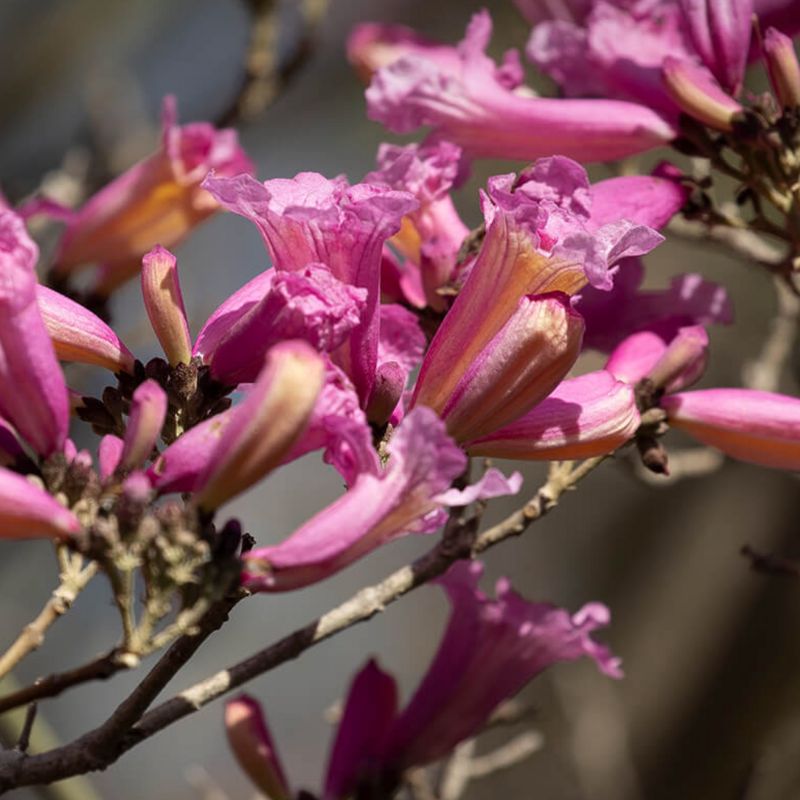
Timber from the pink trumpet tree was once used by indigenous South Americans to make hunting bows, hence the name “bow tree”. The tree is widely used in landscaping for shade and seasonal blooms, is also harvested in South America for its super durable hardwood wood, marketed as ipê.
This dense hardwood, comparable to concrete and steel in fire resistance, is popular in flooring and decking. However, concerns about illegal logging and deforestation have arisen due to its high demand and the scarcity of mature trees. Consumers are advised to choose Forest Stewardship Council (FSC)-certified ipê to ensure sustainable sourcing.
What Does Pau d’Arco Contain?

The unique chemical composition of Pau d’Arco, concentrated in the tree’s bark, underscores its reputation as a natural remedy for enhancing immune function, fighting infections, and promoting general health. Its traditional uses, combined with emerging scientific validation, reinforce its value as a staple in herbal medicine.
The potent herbal remedy is derived from the inner bark. This inner bark is particularly high in bioactive compounds, including natural compounds called naphthoquinones, mainly lapachol and beta-lapachone.
The bark is also rich in flavonoids, especially quercetin. Together, these compounds give Pau d’Arco its powerful antimicrobial, antifungal, anti-inflammatory, and antioxidant properties, making it a versatile natural solution for a variety of health concerns.
Key Active Compounds:
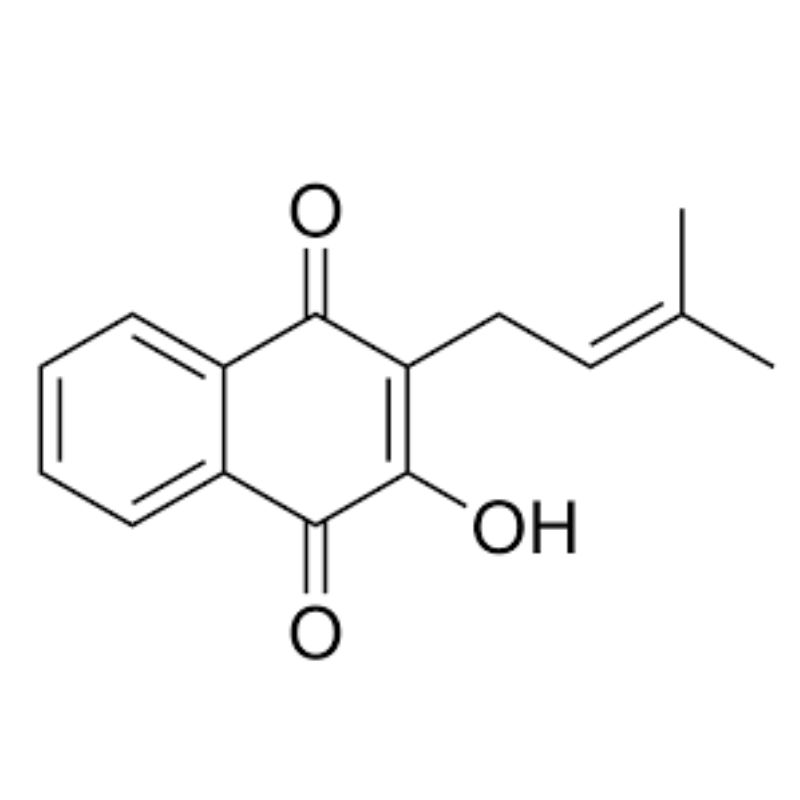
Lapachol Is A Key Compound
Lapachol, a bioactive naphthoquinone found in the inner bark of the Pau d’Arco tree, is celebrated for its wide range of medicinal properties. This powerful compound has demonstrated antimicrobial effects, targeting bacteria, viruses, fungi, and parasites. Naphthoquinone compounds work by neutralising free radicals, reducing inflammation, and combating harmful pathogens (Zhang et al., 2020).
A wide spectrum of therapeutic activities have been attributed to lapachol: anti-abscess, anti-ulcer, antileishmanial, anticancer, anti-inflammatory, antimalarial, antiparasite, antiseptic, antitermite, antitumour, antiviral, bactericidal, fungicidal, insecticidal and pesticidal (Hussain et al., 2007)
Health Benefits of Pau d’Arco:
Here is a comprehensive list of Pau d’Arco’s health benefits. These benefits are derived from its active compounds like lapachol, beta-lapachone, and various flavonoids, which exhibit antimicrobial, anti-inflammatory, and antioxidant properties. This list also includes insights from credible sources:
Pau D’arco: A Potent Anti-Microbial Remedy
Anti-Infectious Activity
One researcher states this plant even has powerful “anti-infectious” activity, due to its ability to inhibit a wide range of pathogens, including many kinds of fungi, bacteria, viruses, and parasites. (Jiménez-González et al., 2013).
Pau d’Arco combats pathogenic organisms thereby helping maintain the balance of healthy gut bacteria. Its targeted action allows beneficial bacteria to benefit from less competition and more food, supporting overall gut health and aiding in the restoration of the gut microbiome.
It’s one of the key reasons we included a premium Pau d’Arco bark extract in out microbial balancing formula called Yeastrix Candida Cleanse.
This selectivity is particularly valuable in cases of Candida overgrowth, where maintaining a diverse and balanced microbial population is essential for long-term gut health.

Pau d’Arco has long been used for its powerful antimicrobial properties. The active compounds found in Pau d’Arco exhibit broad-spectrum activity against harmful microorganisms, including bacteria, fungi, and viruses.
These properties make it the perfect natural ally in combating a wide range infections, particularly those resistant to conventional antibiotic and antifungal treatments. Pau D’Arco has even been linked as being strongly anti-cancer, as we shall soon see.
Fighting Bacterial Infections
Scientific studies confirm that Pau d’Arco is effective against harmful bacteria, including antibiotic-resistant strains like Methicillin-Resistant Staphylococcus Aureus (MRSA) (Pereira et al., 2006).
MRSA is a significant health concern today, capable of causing severe conditions such as sepsis, pneumonia, and life-threatening infections (Shoaib et al., 2023). Lapachol has demonstrated potent antibacterial activity in laboratory studies, showing promise against pathogens like Enterococcus faecalis, Staphylococcus aureus, and Klebsiella pneumoniae (Wilton et al., 2017), (Mir et al., 2023).
Additionally, some studies suggest that herbal medicines such as Pau d’Arco may enhance the effectiveness of antibiotics, offering a potential synergistic approach to fighting bacterial infections (Atta et al., 2023).
SIBO Support
Pau D’Arco’s antimicrobial capabilities help control bacterial overgrowth, which is crucial in managing SIBO. Research suggests that neem is effective against common SIBO-associated bacteria like E. coli and Citrobacter, Klebsiella pneumoniae (NIH).
By reducing these bacterial populations, Pau D’Arco helps alleviate SIBO symptoms such as bloating, gas, and abdominal discomfort. Its anti-inflammatory properties may also provide soothing relief from intestinal irritation often experienced by those with SIBO.
Combating Fungal Infections
Pau d’Arco is particularly noted for its antifungal properties, making it effective against conditions caused by Candida albicans and other fungal strains. Lapachol is known for its antimicrobial activity, but has also found to have dramatic antifungal activity (Souza et al., 2013). Its powerful antifungal activity against Candida species has drawn attention as a natural alternative in managing fungal infections (Moraes et al., 2018).
These infections, ranging from mild to severe, can affect the skin, digestive system, and mucous membranes. Research shows that compounds in Pau d’Arco inhibit the growth of fungi such as Candida, Aspergillus, and Penicillium, reinforcing its role as a natural treatment for yeast infections, athlete’s foot, and other fungal conditions. (Portillo et al., 2001).
A small study involving 60 individuals with vaginal yeast infections caused by Candida assessed the effects of a combination treatment containing Tabebuia and hydroxytyrosol. After three months, 49 participants reported no recurrence of Candida infections (Zullo et al., 2020). Other studies have found regular douching with Pau D’Arco extract helps to eliminate vaginal yeast infections. (Genet 1995).
Antiviral and Antiparasitic Benefits
Emerging research highlights Pau d’Arco’s antiviral potential, particularly against the herpes virus. Additionally, derivatives of lapachol have shown antiparasitic activity in laboratory studies, suggesting its potential use in treating parasitic infections. (Jiménez-González et al., 2013).
Key Points to Remember
While Pau d’Arco demonstrates significant antimicrobial potential, it’s essential to consult a healthcare provider before use, especially when addressing serious infections. Ongoing research aims to better understand its mechanisms and establish safe and effective dosages.
Immune-Boosting Power of Pau d’Arco
Pau d’Arco is renowned for its ability to strengthen the immune system, thanks to its active compounds, including quinoids, naphthoquinones, and flavonoids like quercetin. These compounds enhance immune defenses by stimulating the production and function of white blood cells, the body’s first line of defense against infections.
Pau d’Arco has been shown to boost the activity of natural killer cells and modulate T-cell function, which is essential for maintaining a balanced immune response. This modulation may help prevent autoimmune issues, such as rheumatoid arthritis, by curbing excessive immune activity.
Regular consumption of Pau d’Arco tea provides an effective way to support immune health. Research published in the Arabian Journal of Chemistry highlighted the herb’s rich quercetin content, known for its potent immunomodulatory properties.
Additionally, studies in Molecules confirmed that Pau d’Arco extracts help white blood cells work more efficiently and effectively combat pathogens.
Key Immune-Boosting Benefits:
Adding Pau d’Arco tea to your daily routine can give your body a natural immune boost. Pair it with a slice of lemon or raw honey for added benefits, as these ingredients offer complementary immune-enhancing effects.

Pau D’Arco and Cancer
Pau d’Arco has shown significant potential in the realm of cancer research, particularly due to its active compounds lapachol and beta-lapachone. These compounds are noted for their ability to induce apoptosis, or programmed cell death, in cancer cells without severely impacting normal cells.
For instance, beta-lapachone has been identified as a promising agent in prostate cancer treatment and other malignancies. A 2023 study also highlighted its ability to inhibit chemotherapy-resistant colorectal cancer cells by disrupting proteins crucial for cancer cell survival (Jung et al., 2023).
Furthermore, naphthoquinones found in Pau d’Arco exhibit potent anti-tumor effects. Studies conducted in vitro have demonstrated the herb’s efficacy in reducing the growth of breast, lung, cervical, and liver cancer cells (Lee et al., 2019), (Quimica Nova 2003),
Additionally, the oleic acid in Pau d’Arco, similar to that found in olive oil, has been shown to suppress tumour growth in endometrial cancer cells. These findings suggest Pau d’Arco could be a valuable natural adjunct to traditional cancer therapies (Deng et al., 2023),
Promising Cancer Research Highlights:
While Pau d’Arco presents exciting possibilities, it is crucial to emphasize that these findings are largely preliminary and based on laboratory studies. Consultation with healthcare professionals is essential before integrating Pau d’Arco into a cancer treatment plan.
Antifungal supplements are often used to address fungal infections like Candida when undergoing any Candida Cleanse Program. Pau d’Arco is different – it inhibits fungal overgrowth but also show promise in targeting cancer cells by promoting apoptosis (programmed cell death) and reducing oxidative stress.
Pau d’Arco as a Natural Pain Reliever

Pau d’Arco stands out as a natural alternative for pain management, offering similar relief to over-the-counter medications but as a safer alternative with much fewer risks of strong side effects like gut, heart, or kidney complications.
The tree bark’s ability to reduce pain stems from its anti-inflammatory properties, which suppress the activity of inflammatory cytokines. This makes it particularly effective for conditions such as arthritis and menstrual cramps, as well as broader inflammatory disorders. (Mokarizadeh et al., 2020), (McClure et al., 2022).
Research supports Pau d’Arco’s pain-relieving capabilities, especially in severe conditions like cancer. Studies have shown that it can lessen the pain associated with prostate, liver, and breast cancers.
A study published in BMC Pharmacology demonstrated its pain-reducing ( anti-nociceptive) effects in experimental models. Mice treated with Pau d’Arco bark extracts experienced reduced nerve pain signalling and swelling, validating its potential for pain relief (Miranda et al., 2001).
Key Pain-Relieving Benefits:
Here are references and studies supporting the pain-relieving benefits of Pau d’Arco:
Incorporating Pau d’Arco tea or extracts into a health regimen may provide a holistic approach to managing chronic pain naturally, while also addressing the underlying inflammation.
Liver and Kidney Support: Pau d’Arco’s Role in Detoxification

Pau d’Arco has earned recognition for its potential to support liver and kidney health due to its detoxifying properties. These organs play a critical role in filtering toxins, and Pau d’Arco may enhance their efficiency.
The herb’s active compounds, such as quinoids and flavonoids, help neutralise harmful substances, including free radicals and metabolic waste. This protective effect may shield the liver and kidneys from oxidative stress and damage caused by toxins (Taylor 2004).
Regular consumption of Pau d’Arco tea can stimulate the body’s natural cleansing systems. Its mild diuretic properties encourage kidney filtration, while its effects on bile production support liver detoxification pathways. Together, these functions improve the body’s ability to process and eliminate harmful substances, including environmental toxins, processed food residues, and heavy metals (Hodges et al., 2015).
How Pau d’Arco Detoxifies the Body
Pau d’Arco is not just a support system for the liver and kidneys—it also promotes overall detoxification by aiding the digestive system. The tea has mild laxative effects that stimulate bowel movements, helping to expel waste and prevent toxin buildup in the colon (Taylor 2004).
This is crucial for maintaining a healthy gut environment and reducing strain on the body’s detox pathways. Moreover, the compounds found in this herb have been shown to enhance lymphatic drainage and purify the bloodstream (Taylor 2004).
When combined with a diet rich in antioxidants from fruits, vegetables, and whole foods, Pau d’Arco tea can work synergistically to amplify its detoxifying effects. Antioxidants from other foods complement the herb’s ability to neutralize free radicals, further supporting the liver and kidneys in their detoxification roles.
Key Benefits of Pau d’Arco for Detoxification
By integrating Pau d’Arco into a balanced lifestyle that includes nutrient-dense foods and regular hydration, you can maximise its detoxifying potential, promoting long-term organ health and overall vitality.
How To Use Pau D’arco
When purchasing Pau d’Arco products, it is essential to carefully read the ingredient labels. Often, products labeled as Pau d’Arco or Lapacho may not always contain the exact species of Pau d’Arco (Tabebuia), and sometimes they might use related species like Tecoma curialis.
Be mindful of this discrepancy to ensure you are getting the right product. Additionally, some products claim to contain the inner bark, which is considered more potent, but may actually contain the outer bark.
Always choose Pau d’Arco from reputable sources that provide clear ingredient labeling and transparent information about their products. The most effective part of the tree is the inner bark, which should be aged after harvesting to maximise its medicinal properties, though many products may attempt to sell the outer bark or from immature trees.
For dosage, a typical recommendation is around 500 milligrams taken one to two times daily, commonly found in commercial capsule forms. If using extracts, always follow the instructions provided on the label. It is important to start with a small dose, as high doses of Pau d’Arco can cause nausea, diarrhea, and dizziness.
For those who are very sensitive, using Pau d’Arco externally can still offer benefits for treating infections. For example, it can be used in various applications like:
How to Make Pau d’Arco Tea
Making Pau d’Arco tea at home is straightforward. Follow these simple steps to brew your own:
For a more typical serving size, you can also steep 1-2 teaspoons of Pau d’Arco bark in 8 ounces (240 milliliters) of hot water for about 15 minutes. The tea has a naturally bitter, earthy taste that can be enhanced with honey or lemon.
Finding High-Quality Pau d’Arco Products
To ensure you are getting the best possible Pau d’Arco products, keep these tips in mind:
Pau d’Arco Dosage
The recommended dosage of Pau d’Arco can vary depending on its form and the health condition being addressed. For instance, a study published by HHS Public Access found that a daily dose of 1050 milligrams of encapsulated Tabebuia avellanedae bark extract was generally safe for healthy women with menstrual cramping (McClure et al., 2022).
However, there is no universal dosage recommendation, and consulting a healthcare professional is advisable before adding Pau d’Arco to your routine. Pau d’Arco is available in capsules, tablets, tinctures, and as loose bark, each with different dosages:
Storing Dried Pau d’Arco
To maintain its potency, store Pau d’Arco in a cool, dry place away from direct sunlight. Always follow the discard date on the packaging to ensure freshness and effectiveness.
6 Best Pau d’Arco Herbal Tea Recipes to Try
By incorporating Pau d’Arco into your daily regimen, whether through tea or supplements, you can support your immune system, enhance detoxification, and promote overall wellness.
Yeastrix Cleanse: A Comprehensive Antifungal Solution
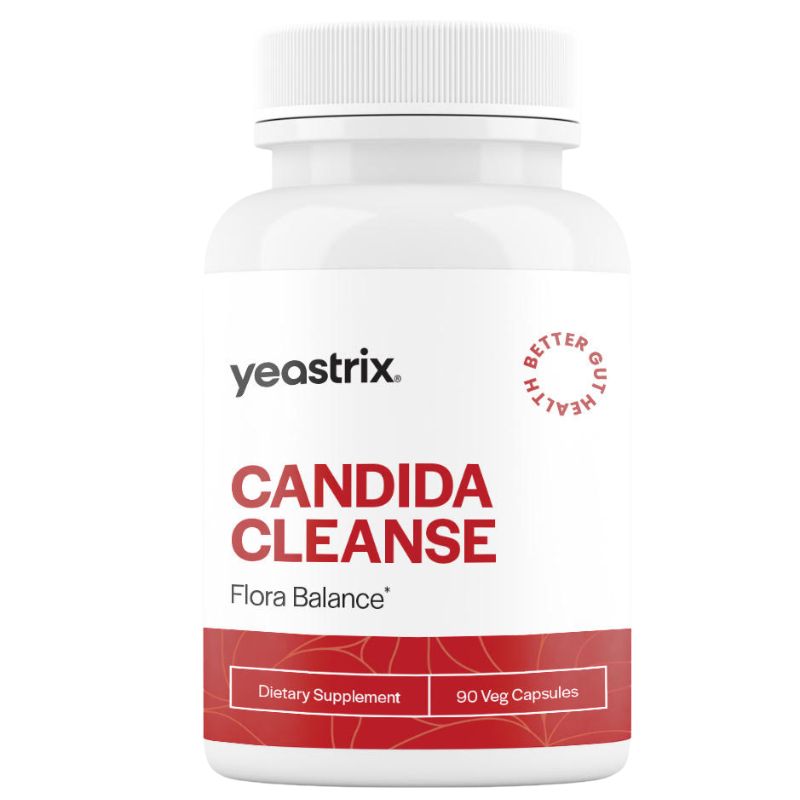
For those looking for an all-in-one solution to tackle Candida and other fungal or bacterial infections, consider Yeastrix Candida Cleanse, our 3rd generation antifungal supplement.
This product combines a powerful and genuine Pau d’arco extract with several other powerful key antifungals, creating a balanced and effective cleanse for yeast overgrowth.
Yeastrix Cleanse includes:
With Yeastrix Candida Cleanse, you can simplify your antifungal regimen by getting the benefits of Pau d’arco along with other natural ingredients that promote gut health and combat yeast infections. Made with the highest-quality, non-GMO, and vegetarian ingredients, it’s designed for those looking for a natural, safe, and effective approach to Candida management.
Side Effects and Precautions of Pau d’Arco
While Pau d’Arco is generally considered safe for most people when used appropriately, it is essential to be aware of potential side effects and take necessary precautions. The lack of extensive human clinical trials means that Pau d’Arco products should be used with caution and under the supervision of a healthcare provider, especially when taking high doses or combining it with other treatments. The following outlines key side effects and precautions to consider:
Potential Side Effects:
Severe Side Effects in High Doses:
Special Considerations:
Potential for Overdose With Sustained High Dosages:
High doses of Pau d’Arco have been linked to severe side effects, including liver damage, DNA damage in liver cells (in animal studies), and increased risks of internal bleeding. As the exact toxicity in humans is not fully understood, it is especially important for individuals with liver or kidney disease to use Pau d’Arco cautiously and to work in conjunction with their medical doctor.
Best Practices for Safe Use:
By following these precautions, you can help ensure that Pau d’Arco is used safely while minimizing the risk of side effects.
Conclusion
Pau D’Arco might well prove to be one of the best antifungal supplements that you use during your recovery from Candida overgrowth. It has antifungal, antimicrobial, anti-inflammatory and detoxifying properties, and has been used for centuries in traditional medicine. We have always found it effective when recommended to patients with many kinds of chronic ailments.
For lots more information on how to choose the right foods to eat and the most effective antifungal treatments, please consider looking at the Candida Cleanse Program treatment plan.

Eric Bakker N.D.
Greetings! I am a naturopathic physician from New Zealand. Although I’ve retired from clinical practice since 2019 after 34 years of clinic. I remain passionate about helping people improve their lives. You’ll find I’m active online with a focus on natural health and wellbeing education through my Facebook page, Reddit page and YouTube channel, including this website.