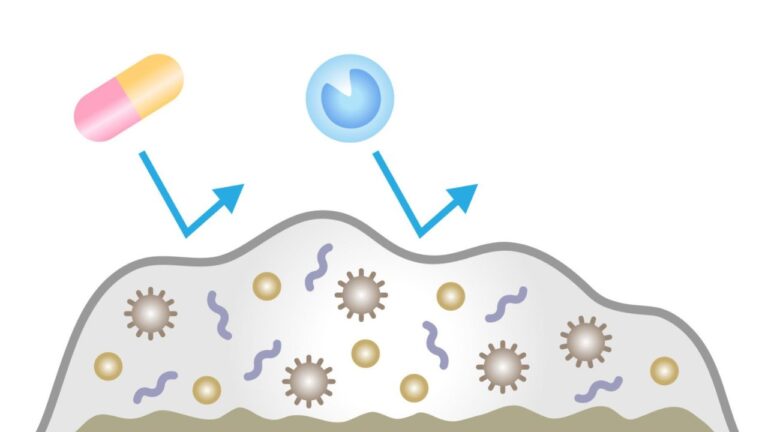

The Most Common Candida Symptoms
Although Candida overgrowth can manifest in various ways, there are about a dozen symptoms that we’ve frequently encountered in our naturopathic clinic over the years. To help our readers better understand and recognise these symptoms, we’ve compiled a list of the most common signs and symptoms associated with Candida-related complex.
Some of these symptoms may be immediately recognisable, while others might require more careful consideration. Additionally, a few are quite rare and less commonly seen.

1 – Digestive Problems
Overwhelming evidence suggests that our gastrointestinal tract is the primary source of disseminated Candida infections.
The term “disseminated” refers to a condition that has spread throughout an organ or the entire body. Candida-related symptoms can range from mild, localised issues to severe, widespread infections.
According to research, Candida overgrowth in the gut is a major contributing factor to systemic infections (Basmaciyan et al., 2019).
Key Risk Factors for Candida Overgrowth
Several factors can increase the likelihood of developing a disseminated Candida infection, including:
The Gut as the Root Cause
In my experience, yeast-related issues most frequently originate in the gut, where Candida overgrowth typically begins. Similar to Small Intestinal Bacterial Overgrowth (SIBO), Candida is often a gut-related condition for many individuals. The majority of symptoms seen in Candida patients stem from underlying fungal or bacterial infections in the digestive system.
The Body’s Systemic Response
The symptoms of Candida often mirror internal dysfunctions in the digestive system. The immune system responds with inflammation, while hormonal imbalances further complicate the condition. Over decades of clinical experience, I have rarely encountered a patient with multiple external symptoms who did not also have underlying gut health issues. Most chronic cases frequently involved some level of:
The Gut as a Reservoir for Infections
Our gut acts as a reservoir for both bacteria (microbiome) and yeast (mycobiome). When imbalanced, this environment can lead to recurrent infections, such as:
This highlights the critical role of gut health in both preventing and managing systemic Candida overgrowth. Addressing the root cause within the digestive system is essential for long-term relief and recovery.
Key Take-Away
Candida Overgrowth Indicates An Imbalanced Gut Flora.

An imbalanced gut flora weakens digestion, making it harder for the body to process food efficiently. Beneficial bacteria like Lactobacillus play a crucial role in breaking down sugars, fibers, and starches while also supporting mood and cognitive function.
However, when Candida albicans begins to overgrow, it disrupts this balance, leading to a decline in digestive enzyme levels and a reduction in beneficial bacteria.
One of the main triggers for this imbalance is antibiotic use, which significantly reduces the population of good bacteria in the gut. With fewer beneficial microbes to keep it in check, Candida is given the opportunity to thrive, further disrupting gut health and worsening digestive dysfunction. This cycle of imbalance can contribute to long-term gut dysbiosis and associated health issues.
Key Take-Away
Candida-related digestive problems can include symptoms or conditions like:
Candida Cleanse Programs

Over the years, research has linked Candida overgrowth to a range of gastrointestinal disorders, including gastric and duodenal ulcers, as well as inflammatory bowel diseases like ulcerative colitis and Crohn’s disease (Chen et al., 2021).
Persistent Candida yeast infections can lead to ongoing digestive distress, with symptoms such as bloating, flatulence, burping, constipation, or diarrhoea. Many patients I’ve spoken with have lived with these symptoms for years, often unaware that an imbalanced gut flora was the root cause.
Symptoms like bloating, cramping, and spasms are common, often due to an imbalance or a lack of beneficial bacteria and enzymes needed for proper digestion.
One of the most rewarding aspects of addressing Candida overgrowth is the relief it brings to long-term gut discomfort. For many, this program has been the turning point they needed to regain control of their health. Our Candida Cleanse Program has been successfully used in our clinic for many years, helping countless patients restore balance to their digestive system.
Updated and Improved Candida Program For 2025
Now, our program has been further refined with improved protocols, better patient handouts for each stage, and enhanced support through in-depth YouTube video content. Our updated program offers a comprehensive, step-by-step approach to help you achieve lasting gut health and overall well-being.

2 – Fatigue or Chronic Tiredness
Have you ever experienced constant fatigue? Candida overgrowth in the intestines may be a contributing factor. Research has established links between chronic tiredness and Candida infections, with some studies exploring the connection between chronic intestinal candidiasis and the development of chronic fatigue syndrome (CFS).
One of the most commonly reported symptoms in these cases is persistent, unexplained fatigue (Cater 1995).
This type of fatigue is often accompanied by a range of additional symptoms, including poor memory and concentration, sleep disturbances, sore throat, aching joints, irregular appetite, and dull headaches.
In my clinical experience, chronic fatigue is frequently one of the main complaints in patients with Candida overgrowth, particularly in cases that have persisted for months or even years.
While Candida infections may not be the primary cause of chronic fatigue syndrome, many believe that Candida can increase the risk of developing CFS. There are several reasons why your energy levels may be impacted by a Candida infection—let’s discuss a few of these reasons:
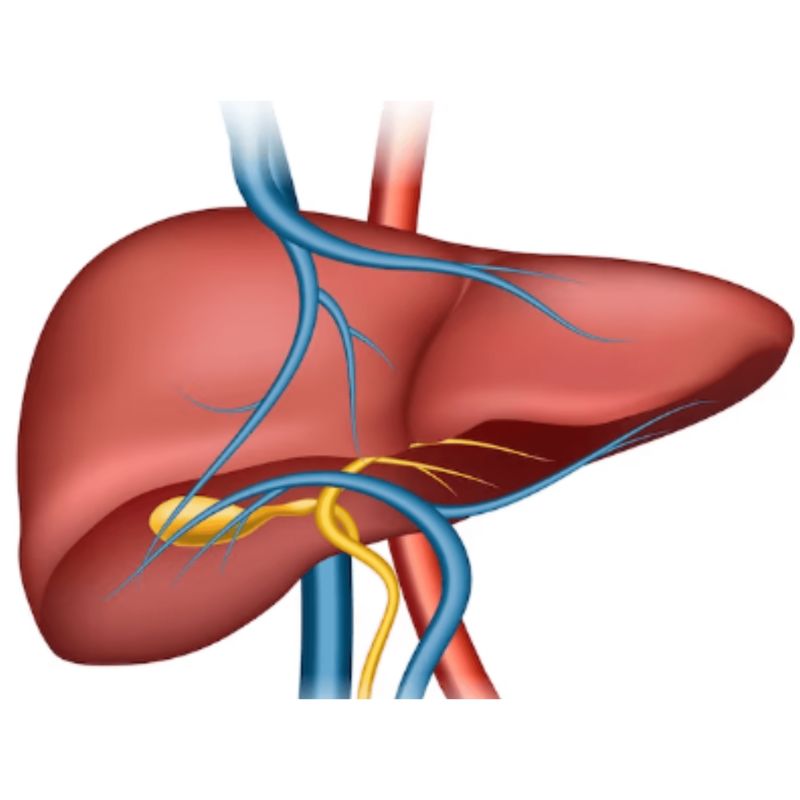
Candida Produces Toxins That Can Affect Your Liver
Candida produces toxic by-products that can place a significant burden on the liver. Among these is acetaldehyde, a neurotoxin responsible for hangover-like symptoms (Marttila et al., 2013).
In a healthy individual, the liver can effectively break down small amounts of acetaldehyde generated by Candida. However, when Candida overgrowth occurs, the liver can become overwhelmed, leading to fatigue and other systemic symptoms.
Research suggests that Candida species can even produce cancer-causing levels of acetaldehyde when exposed to varying concentrations of alcohol (Reddy et al., 2022).
In addition to acetaldehyde, Candida releases other harmful mycotoxins, such as Candidalysin and ammonia, which further stress the liver. The accumulation of these toxins can slow down liver function, impairing its ability to process energy efficiently and affecting overall health.
Antifungal Drugs Affect Liver Health
Another factor to consider is the impact of antifungal medications on liver health. Fluconazole, a commonly prescribed antifungal drug, has been linked to liver disease and, in some cases, liver failure (NIH 2017).
Studies have shown that antifungal medications, particularly itraconazole and voriconazole, pose a significant risk of drug-induced liver injury (Zhou et al., 2022). This highlights the importance of carefully monitoring liver function during Candida treatment, especially in individuals with pre-existing liver conditions.
The liver is the body’s most metabolically active organ, playing a crucial role in energy generation and storage. Ensuring its health is a key aspect of any Candida treatment plan, supporting overall recovery and long-term wellness.
Key Take-Away
Candida Affects Your Gut, Reducing Its Ability To Uptake Nutrients

Candida overgrowth disrupts gut balance, impairing the body’s ability to absorb essential nutrients. The stomach and small intestine play a key role in digestion and nutrient uptake, but when Candida colonises the gut, this process becomes compromised.
Inflammation and poor gut health can lead to undigested food passing through the intestines, reducing nutrient absorption and causing fatigue.
Studies have linked high levels of Candida to various gastrointestinal diseases (Kumamoto 2011), and research also connects Candida overgrowth to deficiencies in key nutrients like magnesium, iron, vitamin A, vitamin B6, and essential fatty acids. Low levels of these nutrients, particularly magnesium, can contribute to Candida overgrowth and chronic fatigue, as noted by Dr. Leo Galland.
Key Take-Away

The Connection Between Adrenal Fatigue and Candida
The relationship between Candida overgrowth and adrenal fatigue is another crucial aspect to consider. More than 20 years ago, I began noticing a connection between the adrenals, thyroid, and Candida infections, which I mentioned in my 2013 book, Candida Crusher.
When your gut is overwhelmed by Candida toxins, yeast overgrowth, and microbial imbalances, your hormone-producing glands, such as the hypothalamus, pituitary, and adrenal glands, may come under significant stress. This stress can lead to a state of chronic fatigue as your body expends considerable energy to cope with these issues.
As this pattern continues, it can compromise the production of critical hormones, including pregnenolone, cortisol, and DHEA. This decline in hormone levels can affect your immune system’s functioning, energy levels, libido, and many other factors.
Interestingly, a study revealed that the most common class of antifungal drugs, azole drugs, can block the synthesis of adrenal gland hormones by inhibiting enzymes involved in steroid hormone production (Bhattacharya 2021).
Understanding the multifaceted impact of Candida on your body, from nutrient absorption to hormonal balance, is vital for addressing the root causes of chronic fatigue and other related symptoms.
Key Take-Away

3 – Recurring Genital Infection or UTI
Recurrent Female Yeast Infections: A Common Symptom
For women, recurrent yeast infections are among the most common symptoms of Candida overgrowth. More than three-quarters of women will experience a vaginal yeast infection at some point in their lives, and about 40% will have two or more. A study found that vaginal yeast infection is the second most common vaginal infection in North America (Sobel 1998).
Through years of clinical experience, I’ve observed that when vaginal yeast infections keep recurring, it often indicates an underlying issue with the gut microbiota. A persistent gut imbalance is likely the root cause when these infections return repeatedly.
The Link Between UTIs and Candida
Urinary tract infections (UTIs) have many potential causes, but a common one is the use of antibiotics. In a pilot study, short courses of oral antibiotics were shown to increase the prevalence of vaginal Candida colonization and the incidence of symptomatic vaginal yeast infections (Xu et al., 2008). This suggests that disrupting the gut microbiota with antibiotics can make women more susceptible to recurrent vaginal yeast infections.
Understanding the connection between gut health and vaginal yeast infections is crucial for addressing the root causes of these recurrent issues. A holistic approach that includes supporting gut health may be essential in preventing future infections and restoring overall well-being.
Common Candida-Related Vaginal Symptoms
Even after a localized vaginal yeast infection has been treated, Candida can continue to thrive in the gut and spread to other parts of the body. This is why many women experience recurring infections. Until you address intestinal Candida overgrowth, vaginal infections may keep returning. The key to long-term relief is improving gut health through dietary and lifestyle changes. Consider the Candida Cleanse Program for a comprehensive approach to restoring balance.
Key Take-Away

Is It a Vaginal Yeast Infection or a Urinary Tract Infection?
Symptoms of a Candida-Related UTI
Did you know that Candida albicans can cause urinary tract infections (UTIs)? While more common in the very young, elderly, or immunocompromised individuals, Candida-related UTIs can also occur in those undergoing corticosteroid therapy, such as asthma patients. These medications can weaken immune defenses, making the body more susceptible to infections like UTIs. Research suggests that if you’re experiencing significant stress or have a weakened immune system, Candida may be a contributing factor.
Candida-related UTIs can mimic bacterial infections, making them difficult to diagnose without proper testing. Some common symptoms include:
If these symptoms persist despite antibiotic treatment, Candida may be the underlying cause.
Signs of a More Complex Vaginal Yeast Infection
For some women, chronic or severe yeast infections can indicate a deeper issue. You may have a more complicated Candida-related infection if you:
A 1999 study by Fidel and colleagues highlighted that standard antifungal treatments are generally ineffective against Candida glabrata species, reinforcing the need for a different and more comprehensive treatment approach.
Key Take-Away
Understanding whether your symptoms stem from a UTI or a yeast infection is vital for choosing the right treatment. If you suspect Candida overgrowth is at play, a holistic approach focusing on gut and immune health may be necessary for effective recovery.


4 – Oral Thrush
The mouth is a particularly vulnerable area of the digestive system when it comes to Candida yeast overgrowth. Oral thrush, caused by Candida albicans, is a common condition that often goes undiagnosed in its early stages, making it more challenging to treat once it becomes chronic.
While oral thrush can affect anyone, certain factors significantly increase the risk. Individuals consuming a poor diet, especially one high in processed foods and sugary drinks, are more prone to developing this condition. Since Candida yeast thrives on sugar, an unhealthy diet can contribute to oral health issues such as bad breath, poor gum health, and even tooth decay.
Bad Breath and Candida
Research has shown a strong connection between oral Candida overgrowth and halitosis (bad breath). A study from Japan found a strong correlation between oral malodour (bad breath, or halitosis) and Candida albicans, emphasising the importance of managing Candida levels in the mouth to maintain fresh breath and overall oral health (Koga et al., 2014).
Additionally, oral thrush is more commonly seen in young children, the elderly, and individuals with weakened immune systems. Other risk factors include wearing dentures, poor dental hygiene, and the use of antibiotics or immunosuppressive medications (Garcia-Cuesta et al., 2014).
Oral Thrush and Intestinal Candida: A Common Connection
There is a well-documented link between oral thrush and intestinal Candida infections. The same underlying factors that lead to an overgrowth of Candida in the gut can also trigger an imbalance in the mouth. Antibiotic use, high sugar intake, and a weakened immune system can alter the microbial balance in both areas, creating an environment where Candida can thrive. Managing Candida systemically—rather than just focusing on the symptoms of oral thrush—is essential for long-term success.
Key Take-Away

Mouthwash Reduces Good Oral Bacteria
Many people still use mouthwash as part of their daily oral hygiene routine, but I never recommend regular use of commercial mouthwashes. Instead, simply rinsing your mouth thoroughly with clean water after meals and maintaining a healthy diet can be more effective. Your breath should naturally be neutral and pleasant if your oral microbiome is in balance. However, the frequent use of mouthwash can have unexpected negative effects on your health.
A study found that clinical trials have shown antibacterial mouthwash depletes oral nitrate-reducing bacteria, which are important for producing systemic nitric oxide—a compound that plays a critical role in cardiovascular health (Joshipura et al., 2019). The study also reported that people who used mouthwash twice a day or more had up to a 12% higher incidence of high blood pressure compared to those who used it less frequently.
Oral Thrush: Recognising the Signs
So, how can you tell if you have oral thrush? The symptoms are usually quite noticeable. White lesions or pimples may appear on your tongue, throat, or other oral tissues (Lalla et al., 2013). These lesions can be slightly raised and may cause discomfort or even pain. If left untreated, oral thrush can spread and become more difficult to manage. Early detection and treatment are key to preventing further complications.
Common Symptoms of Oral Thrush
If you have a milder case of oral thrush, you might notice only a thin, white layer on your tongue. This layer can often be removed with a tongue scraper, but it tends to grow back quickly, indicating that the underlying issue persists.
Smell or Taste Issues Related to Oral Thrush
Oral thrush can also affect your sense of smell and taste. A 2021 study by Fluitman and colleagues explored the associations between the oral microbiota, Candida, and sensory perceptions like taste and smell. The researchers found that among 218 young adults, those who were either patients with Candida infections or healthy carriers of Candida albicans had significantly higher taste thresholds (Fluitman et al., 2021)
This means they were less sensitive to taste and more likely to experience taste and smell disorders compared to non-carriers. These sensory changes can be subtle but persistent, serving as another clue that Candida overgrowth is affecting your oral health. If you notice alterations in how you taste or smell food, especially in conjunction with other symptoms of oral thrush, it may be worth discussing these concerns with a healthcare professional for proper evaluation and treatment.
Key Take-Away

5 – Fungal Nail Infection
Our nails, both on our fingers and toes, host a diverse array of bacteria and fungi. This unique nail microflora plays a crucial role in maintaining the balance of these microorganisms, preventing pathogens like Candida or other invasive fungi from growing uncontrollably. (Rayan et al., 1987)
Fungal Nail Infections and Psoriasis
Research has shown a strong connection between fungal nail infections and conditions like psoriasis (Pietrzak et al., 2018). A study published in Mycoses found that psoriasis patients had higher bacterial and fungal diversity in their finger and toenails, with a notable increase in the abundance of Candida compared to non-psoriatic individuals (Wang et al., 2022).
This aligns with my clinical experience, where many psoriasis sufferers also present with fungal nail infections and often have underlying intestinal Candida overgrowth.
Gut Health and Nail Infections
It’s common to encounter patients with fungal nail infections who also report gut problems like bloating, excessive gas, or irregular bowel movements. In male patients, particularly those in corporate environments or tradespeople who wear shoes and socks for extended periods, fungal nail infections can be exacerbated by factors such as alcohol consumption or prolonged moisture exposure.
Real Case Study
One of the most severe cases I’ve encountered was a dairy farmer who wore tall rubber boots for over 12 hours a day. Her feet were constantly exposed to moisture, leading to all her nails becoming fungal, along with a strong odour. This case highlights the importance of proper foot care, especially in environments where feet are exposed to moisture for extended periods.
It’s essential to understand the close relationship between fungal nail infections, gut health, and overall well-being. Addressing the underlying issues, such as gut imbalances or lifestyle factors, is key to effective treatment and long-term prevention.

Nail Fungal Infection Symptoms: Recognising The Early Signs
Fungal nail infections can present a range of symptoms, depending on the type of fungus involved. These symptoms typically begin mildly but can become more severe if left untreated.
It’s essential to address these symptoms early on, as fungal infections can be challenging to treat if allowed to advance. If you notice any changes in the colour or texture of your nails, it may be time to consider seeking treatment to prevent further progression.
Early Signs of Fungal Nail
Initially, you might notice a small white or yellow patch under the tip of your finger or toenail. This is often the first indication of a fungal infection. Over time, this patch can gradually spread, affecting more of the nail. The colour of the nail can change significantly, taking on various hues such as black, yellow, white, or even a greenish tint.
Progression and Appearance
As the infection progresses, the nail can become discoloured entirely, a condition that might persist for months or even years. The appearance of the nail can be a source of embarrassment, particularly during the summertime when feet and hands are more exposed.
Typical fungal nail symptoms include:
An odour may develop around your nail, especially if you wear shoes and socks for several hours a day.
6 – Fungal Skin Infection
Your skin’s microbiome is it’s visible armour against unwanted micro-organisms. Did you know that just as your gut hosts a diverse community of bacteria and fungi, your skin and nails also support a vast array of microorganisms? This external microbiome, known as the skin microbiota, plays a crucial role in maintaining your overall health (Grice et al., 2013).
The Protective Role of Skin Microbiota
The bacteria and fungi residing on your skin aren’t just passive inhabitants; they actively protect you by preventing harmful pathogens, like Candida, from growing uncontrollably. When your body’s internal and external microbiomes are balanced, they work together to keep you healthy.
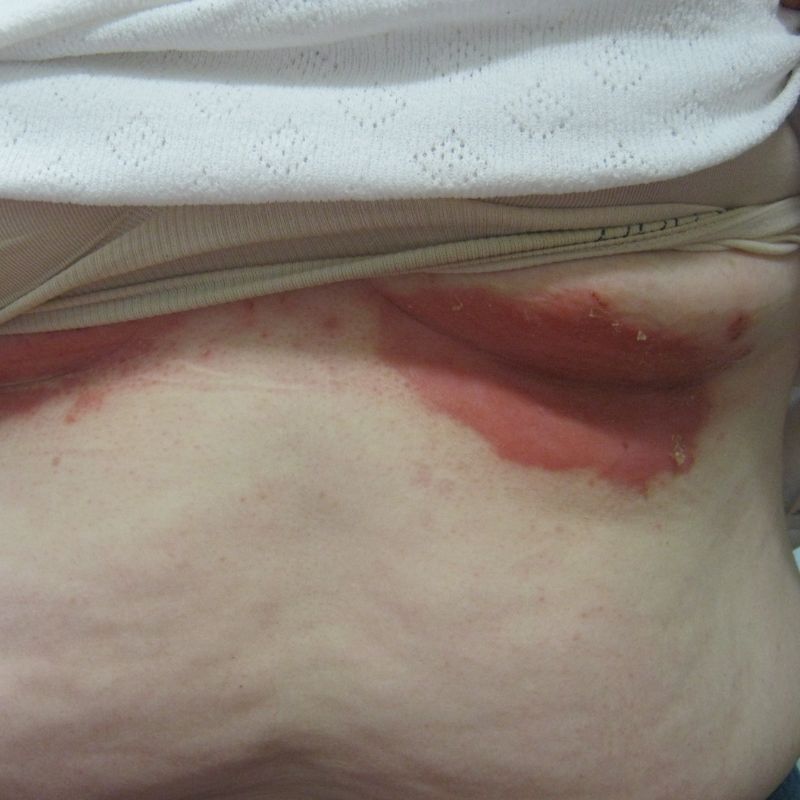
However, when the balance is disrupted, whether by internal factors like diet and stress or external factors like harsh skin products, Candida can seize the opportunity to proliferate. This can lead to various skin and nail infections, particularly in vulnerable areas such as the groin, under the breasts, skin folds, and armpits.
The Impact of Antibiotics and Antifungals
Just as antibiotics can profoundly affect your gut microbiome, they can also disrupt your skin’s delicate microbial balance. A study highlighted how antibiotics can cause lasting changes to both developing and mature microbiotas (Langdon et al., 2016). Similarly, regular use of antibacterial skin and nail cleansers, steroid creams, or antifungal treatments can have a similar impact, often leading to a weakened skin microbiome.
Beware of “Over-Cleansing”
Many products advertised as “kills 99% of germs” may sound appealing, but their frequent use can strip your skin of its beneficial bacteria and fungi, leaving you more vulnerable to infections. Maintaining a healthy microbiome requires a balanced approach, avoiding overuse of harsh chemicals, and fostering an environment where your natural defences can thrive.
In essence, your skin’s microbiome is a vital part of your body’s first line of defence. By understanding and respecting its role, you can help maintain a healthy balance that protects you from infections like Candida.
Recognising Fungal Skin Infection Symptoms
Fungal skin infections, particularly those caused by Candida yeast, are among the most common issues we’ve encountered in the clinic. Over the years, our clinic has successfully assisted many patients in clearing up persistent skin rashes, itching, and other unusual skin conditions.
Often, these conditions were initially treated with corticosteroid creams, which may have provided temporary relief but didn’t address the underlying cause.
Common Symptoms of Fungal Skin Infections
The symptoms of Candida-related skin infections can vary widely, depending on the area affected and the severity of the infection.
Here are some common signs to watch out for:
Tracking Your Symptoms With Your Mobile Phone
Given the varying presentation of fungal skin infections, it can be challenging to monitor the progress of treatment. One practical tip is to take regular photos of the affected area using your mobile phone. By comparing these images over time, you can more accurately assess how quickly the infection is responding to treatment and make any necessary adjustments.
Documenting your skin condition can also be helpful when consulting with a healthcare provider, as it provides a visual record of how the infection has evolved. This can be particularly useful for tracking slow-moving infections or those that seem resistant to initial treatments.
By staying vigilant and proactive, you can better manage fungal skin infections and work towards clearer, healthier skin.
Typical skin symptoms may include:
Best Nail and Skin Fungal Treatment

The most effective protocol for treating skin and nail fungal infections is comprehensive, addressing both the local infection and any underlying issues within the body, such as intestinal Candida or bacterial imbalances. Achieving lasting results requires a holistic approach that goes beyond merely applying topical treatments.
It involves making necessary changes to your diet and lifestyle to create an environment that is hostile to fungal overgrowth.
You can do this by taking Candida-specific probiotics, enzymes, antifungals, adding special foods and herbs to your diet, including a low-sugar diet.
These are some of the pivotal treatments that reverse an intestinal Candida overgrowth and aid in permanently eradicating fungal infections, both internally and topically. Check out the Yeastrix range of products, specialised for supporting Candida infection. Click on the + to read more about nail and skin treatment.

7 – Fungal Sinus Infections
For a long time, doctors believed that bacteria were the primary culprits behind all chronic sinus infections. However, recent research suggests that this is not entirely accurate. While most acute (short-term) sinus infections are indeed caused by bacteria, many chronic (long-term) sinus infections can be attributed to fungi.
The exact cause of fungal sinusitis remains poorly understood. However, there has been a noticeable increase in reported cases in recent years. This rise may be linked to the growing use of immune-suppressant drugs and antibiotics, as well as the increasing prevalence of chronic diseases that weaken the immune system. These factors can create an environment where fungi thrive and cause persistent sinus issues.
Research Linking Sinus Infections to Fungi
A study conducted by Mayo Clinic researchers in 1999 sheds light on the fungal nature of chronic sinusitis. The researchers examined 210 patients with chronic sinusitis and discovered that 96% of them had fungal organisms present in their mucus. In total, they identified 40 different types of fungi in these patients’ samples (Ponikau 1999).
Dr. David A. Sherris, an expert from the University of Buffalo, highlighted the significance of this finding. In 2004, he stated, “We showed in 1999 that inflammatory cells were clumped around the fungi and that 96 percent of patients who underwent surgery for chronic sinusitis had fungal organisms in their mucus, which indicated to us that the illness was an immunological disorder caused by fungus.”
This research suggests that many chronic sinus infections may not be merely bacterial in nature but also involve an immune response to fungal organisms. The presence of fungi in the mucus of chronic sinusitis patients points to a more complex cause of the condition, one that may require different treatment approaches than those used for bacterial infections (Baker 2004).
The Antibiotic Trap in Sinus Infections
Despite these findings, many doctors initially remained skeptical. To further validate their research, Dr. Sherris and his team conducted immunologic studies and an open trial using antifungal treatments, discovering that 75% of patients responded positively to antifungal medication.
One of the biggest mistakes in treating chronic sinus infections is the overuse of antibiotics. Most people with sinus symptoms visit a healthcare provider, who often prescribes antibiotics for relief. While antibiotics can temporarily reduce inflammation and symptoms, they do not target fungal infections. In fact, they can worsen fungal infections by eliminating beneficial bacteria that help keep fungal populations in check.
This can create a frustrating cycle where patients feel temporary relief, only to have their sinus issues return—often worse than before. The most frequently misdiagnosed cause of chronic sinusitis is Candida sinusitis, leading to a “Catch-22” situation where continued antibiotic use aggravates the real issue.

Fungal Infections Are Common In Those With Sinusitis
Fungal infections are more common in chronic sinusitis cases than many realize. A study found that fungal cultures were positive in 21.3% of 47 patients who had undergone surgery for chronic sinusitis. The most common fungal species isolated were Aspergillus, Fusarium, Rhizopus, Candida albicans, and Bipolaris species (Tilak et al., 2012).
Antibiotics, however, are ineffective against fungal infections. Instead of resolving the problem, they can create an imbalance in the microbiome, allowing fungal overgrowth to worsen.
The Role of Diet and Gut Health in Sinus Infections
From my experience, making healthy dietary changes—specifically adopting a whole foods diet and focusing on improving gut bacteria—can be significantly more effective in addressing chronic sinus infections than relying solely on medications.
Key Diet Changes with Sinusitis
If you suffer from chronic sinus infections, it is worth considering whether a fungal infection may be the underlying cause. Addressing the fungal component through dietary and lifestyle changes, rather than solely relying on antibiotics, can lead to long-term relief and better overall health.
Key Take-Away

8 – Mood Disorders
We’ve explored various physical symptoms associated with Candida, such as fatigue, oral thrush, and skin and nail yeast infections. However, its impact on mood and mental well-being is often overlooked. Candida overgrowth can significantly influence emotional health, leading to mood swings, anxiety, and depression.
Probiotics Were Once Used To Treat Mood Disorders
Historically, probiotics containing Lactobacillus strains were used to treat mental health issues. However, this approach declined with the rise of antibiotics and a lack of scientific knowledge into the gut microbiome.
(Bested et al., 2013).
Today, there is renewed interest in how the gut-brain axis and Candida overgrowth influence mental health. Addressing gut health is essential for maintaining optimal mental well-being.
“Because Candida is a natural component of the human body microbiome, yeast overgrowth or infection in the digestive tract, for example, may disrupt the gut-brain axis. This disruption in conjunction with an abnormally functioning immune system could collectively disturb those brain processes that are important for memory.” Professor Emily Severance
Research has demonstrated a direct biological and hormonal connection between Candida infections and mental health conditions. Some studies even suggest links to more severe disorders, such as schizophrenia and bipolar disorder.
Let’s look at a few conditions linking mood disorders with Candida infection:
The Role of Acetaldehyde in Mood Disorders
Micronutrient Absorption and Mental Health
Key Take-Away

9 – Brain Fog
Brain fog is more than just occasional forgetfulness or mental fatigue—it’s a frustrating cognitive impairment that slows down information processing, causes confusion, and makes it difficult to concentrate on even the simplest tasks. This mental haze can significantly impact daily life, affecting work performance, learning ability, and overall well-being. Many people describe feeling overwhelmed, disoriented, and unable to function at their usual level.
The Candida Connection
From my clinical experience, brain fog isn’t just a minor annoyance—it’s a condition that many people struggle with daily. Patients frequently report a sharp decline in cognitive function, struggling to complete basic tasks and feeling emotionally drained due to their inability to think clearly.
One major contributor to Candida-related brain fog is the fermentation of sugars in the gut. When Candida overgrowth is present, consuming high-sugar foods can fuel the yeast, leading to the production of alcohol (ethanol) as a byproduct. This process can leave individuals feeling intoxicated or hung-over, even without drinking alcohol. Research has highlighted how Candida’s fermentation process can contribute to these cognitive effects (Dinis-Oliveira 2021) ..
In a well-balanced digestive system, fermentation primarily occurs in the colon. However, in cases of Candida overgrowth or conditions like auto-brewery syndrome (ABS), fermentation can also take place in the mouth, stomach, small intestine, and cecum. This abnormal fermentation can further intensify brain fog and other cognitive issues.
Some individuals with Candida overgrowth have even tested positive on breathalyzer tests despite not consuming alcohol, illustrating the significant impact of yeast-driven fermentation. Candida symptoms extend beyond cognitive issues, affecting physical and emotional health as well. For a full list of signs and symptoms, refer to the provided link.
Key Take-Away

10 – Hormonal Imbalances
Hormones play a significant role in the growth and behaviour of Candida, particularly in women. Fluctuating hormone levels can directly impact the ability of Candida to proliferate and cause infections. Understanding the influence of hormones, such as estrogen, on Candida’s growth is key in managing and preventing recurring yeast infections.
Estrogen and Candida Growth
Research demonstrated how estrogen (estradiol) affects Candida in a test environment. The findings revealed (Cheng et al., 2006):
These results suggest that hormonal fluctuations, particularly those involving estrogen, can help Candida thrive. This is particularly relevant for women undergoing hormonal changes due to pregnancy, birth control use, or the menstrual cycle.
Hormonal Imbalances and Yeast Infections
Hormonal imbalances, such as those occurring during pregnancy or while using oral contraceptives, are linked to an increased risk of Candida overgrowth. Women often experience cyclical yeast infections that coincide with hormonal changes, especially around their menstrual cycle. The fluctuations in estrogen and progesterone can create an environment that supports Candida’s growth and pathogenic potential.
Research shows that yeast infections are common in women:
These findings suggest that hormonal fluctuations are a significant factor in Candida infections, particularly in women.
Estrogen and Candida’s Immune Evasion Mechanism (2022 Study)
Another study further explored the impact of estrogen on Candida, revealing its role in enhancing the yeast’s ability to evade the body’s immune defenses. The research highlighted (Kumwenda et al., 2022):
This interaction between estrogen and Candida underscores a complex relationship between hormonal fluctuations and immune response. It emphasizes how hormonal imbalances can weaken the body’s natural defenses against Candida, making infections more difficult to prevent and treat.
Female Hormonal Imbalance Symptoms
Key Take-Away

11 – Food Allergies
To understand the connection between Candida yeast infections and food allergies, it’s essential to explore the concept of intestinal permeability, commonly known as leaky gut syndrome. Although this was once dismissed as a “quack diagnosis,” scientific research has now validated it, showing how Candida can contribute to food allergies through its impact on gut health.
Candida Hyphae and Intestinal Permeability
Candida yeast can grow long, invasive hyphae, which penetrate the lining of the small intestine. This penetration increases the likelihood of intestinal permeability, where the intestinal barrier becomes compromised. As a result, substances such as toxins and food particles that would normally be kept within the gut can leak into the bloodstream.
This once-controversial concept of leaky gut syndrome is now supported by scientific evidence. A recent study by reinforced the role of Candida in increasing intestinal permeability, which can lead to a cascade of health issues, including food allergies (Vanuytsel et al., 2021).
The Impact of Leaky Gut on Food Allergies
When the intestinal barrier is weakened, it allows partially digested food particles, toxins, and other foreign substances to pass into the bloodstream. The immune system recognizes these particles as threats and mounts an immune response. Normally, pathogens like bacteria are neutralized quickly, but when food particles leak through the gut, the immune system begins to treat them as invaders.
Repeated exposure to these foreign food particles can lead to the production of antibodies and the development of food allergies. Symptoms can range from mild to severe, depending on the immune system’s response. Research highlighted how this process occurs, shedding light on the link between Candida-induced intestinal permeability and food sensitivities (Yamaguchi et al., 2006).
Candida and Fungal Translocation: A Key Mechanism
A study explored the phenomenon of fungal translocation, in which Candida hyphae invade the gut lining, causing cellular damage and a loss of intestinal epithelial integrity (Allert et al., 2018). This damage leads to intestinal permeability, reinforcing the connection between Candida overgrowth and food allergies. This research further confirmed the role of Candida in the development of food allergies and sensitivities, establishing a clear link between the yeast’s invasive action and the immune response.
Key Take-Away
Key Signs and Symptoms of a Food Allergy
Symptoms of a food allergy usually develop seconds or minutes after consuming any trigger food. The most common symptoms include:

12 – Inflammation and Immune Dysregulation
When dealing with a Candida infection, it’s essential to understand how it interacts with your immune system and inflammation. Candida can weaken the immune system, which allows the infection to thrive, but it can also further compromise immune function, leading to various symptoms.
Inflammation is the body’s response to harmful stimuli, such as Candida, mycotoxins, and damaged cells. (Chen et al., 2018).
While inflammation is a necessary defence mechanism, it also plays a significant role inWhen dealing with a Candida infection, understanding its interaction with your immune system and the role of inflammation is important. Candida not only weakens our immune system, allowing the infection to thrive, but it also further compromises immune function, leading to the development of various symptoms.
Candida’s Impact on Inflammation
Inflammation is the body’s natural response to harmful stimuli, such as Candida, mycotoxins, and damaged cells (Chen et al., 2018). While inflammation is necessary for defending against infections, it can also cause issues when chronic. Candida produces toxic metabolites like candidalysin and acetaldehyde, which trigger inflammation in the digestive system. This inflammation contributes to intestinal permeability, also known as leaky gut, which worsens gut imbalances.
Research shows that inflammatory intestinal diseases lead to leaky gut (Camilleri et al., 2019). However, simply normalising intestinal barrier function may not resolve the underlying issues. Effective treatment requires addressing yeast or bacterial overgrowth first.
And while temporary relief may be obtained through prescribed medications, true long-term healing very much depends on repairing intestinal permeability and reducing inflammation. Long-term use of anti-inflammatory pharmaceutical drugs can lead to a dysregulated immune response. Prescription medications tend to either weaken or overstimulate our immune response, often going unnoticed until symptoms of lowered immunity, such as increased infections, emerge. Antibiotics, for instance, are closely linked to the development of yeast infections.
Repairing Intestinal Permeability Is Crucial
From my experience treating patients with Candida and SIBO, I’ve found that Camilleri’s observations are accurate. Temporary relief through supplements like probiotics, and fermented foods can be helpful, but lasting improvements require addressing the deeper root cause—yeast or bacterial overgrowth.
Intestinal permeability leads to significant immune responses and inflammation throughout the body. This condition places additional strain on the immune system, further increasing the risk of autoimmune diseases. One study emphasised this connection, highlighting the need to address leaky gut for effective management of immune dysregulation (Mu et al., 2017). Interestingly, strengthening the intestinal barrier may even play a role in cancer prevention, according to a 2012 study (Thomas Jefferson University).
Intestinal permeability is linked to Candida mycotoxins (Ho et al., 2021) , is associated with the development of autoimmune diseases, inflammatory conditions, and even cancer (Mu et al., 2017). Repairing intestinal permeability is essential for long-term health but requires time and patience.
The key takeaway here is that inflammation, driven by immune dysfunction, is deeply connected to Candida and leaky gut. Reducing inflammation is a critical first step toward restoring gut balance and improving overall health.
Dysbiosis: A Key Factor in Immune Health
Your small intestine plays a central role in immune health. It houses a complex microbiome that produces a powerful immune response to combat diseases like Candida. Research has shown that when the gut flora becomes imbalanced (dysbiosis), the immune system’s effectiveness is significantly compromised, leading to a bacterial infection of the small intestine called SIBO.
Mycotoxins and Candida’s Virulence
A study recently found a strong link between Candida albicans and its peptide toxin, candidalysin, which contributes to several inflammatory disorders, including cancers such as head, neck, lung, colon, and vulvo-vaginal cancers (Ho et al., 2020). Candidalysin, discovered only in 2010, is crucial in driving Candida-related inflammatory responses (Naglik et al., 2019) . This toxin plays a significant role in both mucosal and systemic yeast infections.
The Impact of Stress on Immune Function
High levels of stress can elevate stress hormones like adrenaline and cortisol, which suppress immune function and exacerbate inflammation. This explains why some individuals seem to fall ill more frequently than others.
Research found that stress is linked to altered immune function and is involved in the development of various diseases (Morey et al., 2016). Chronic stress leads to prolonged immune activation and contributes to diseases similar to chronic inflammatory conditions like rheumatoid arthritis. It also exacerbates issues like sleep disturbances and mood disorders.
Another study found that women with recurrent vaginal Candida infections had blunted morning-rise cortisol levels, suggesting chronic stress (Ehrstrom 2005). This study noted a higher incidence of vaginal infections in these women, highlighting the link between stress and immune dysfunction.
Candida Arthritis and Joint Issues
Candida Albicans is rarely but significantly involved in causing Candida arthritis. This occurs when a Candida infection enters the bloodstream and spreads to joints, typically after surgery or prolonged untreated overgrowth. Candida arthritis leads to joint pain, stiffness, and swelling. Candida has also been linked to osteomyelitis, a bone infection that causes pain and tenderness in the affected area (Arias et al., 2004).
A 2017 study found a connection between fungal mycotoxins and rheumatoid arthritis, suggesting that Candida’s impact on joint health is more significant than previously thought (Jahreis et al., 2017).
The Six Most Common Symptoms of Inflammation
Key Take-Away

Eric Bakker N.D.
Greetings! I am a naturopathic physician from New Zealand. Although I’ve retired from clinical practice since 2019 after 34 years of clinic. I remain passionate about helping people improve their lives. You’ll find I’m active online with a focus on natural health and wellbeing education through my Facebook page, Reddit page and YouTube channel, including this website.