
Candida Glabrata

Understanding Candida Glabrata
Candida glabrata is a lesser-known yet increasingly important species of yeast within the Candida family. While Candida albicans remains the most common cause of yeast infections, Candida glabrata has gained attention as a significant pathogen, particularly in people with weakened immune systems.
This post delves into what Candida glabrata is, the symptoms it causes, how it develops, and the available treatments. We’ll also cover practical tips for prevention, presenting the information in an approachable way without unnecessary scientific complexity.
What Is Candida Glabrata?
Each year, millions of people are affected by Candida overgrowth. Although it can affect any region of the body, Candida overgrowth and infection frequently results from an imbalance in the gut flora. It might be challenging to get rid the symptoms of Candida unless you correct the gut imbalance.
Like Candida albicans, Candida glabrata is a yeast species that naturally resides in the human body, primarily in the gastrointestinal and urinary tracts. Unlike Candida albicans, which is highly virulent and often more aggressive, Candida glabrata is less invasive but poses a unique challenge because of its high resistance to many common antifungal medications. This resistance makes it a more concerning pathogen in clinical settings, where it can lead to severe infections, particularly among hospitalized or immunocompromised individuals.
While Candida albicans infections are often easier to manage with standard treatments, Candida glabrata demands a more tailored approach. Its ability to resist antifungal therapy underscores the importance of understanding this yeast, not just for treatment but also for prevention and control in vulnerable populations.
Articles of Interest

There Are 5 Main Species Of Candida
Candida infections in humans are primarily caused by five key species: Candida albicans, Candida glabrata, Candida tropicalis, Candida parapsilosis, and Candida krusei.
While Candida albicans is the most prevalent and pathogenic species, Candida glabrata follows as the second most common culprit. Over the years, we’ve analysed countless stool test reports that feature these five Candida species. However, we’ve also identified less common Candida species such as Candida kefyr, Candida guilliermondii, and Candida lusitaniae. Despite their rarity, these species are worth noting in specific cases.
Together, these five species are responsible for nearly 90% of Candida infections (Turner et al., 2014). Each species has unique characteristics, including varying levels of virulence, drug resistance, and clinical presentations, which pose distinct challenges in diagnosis and treatment. Below, we’ll explore these five species in more detail:
Differences Between Candida albicans and Candida glabrata
While both Candida albicans and Candida glabrata belong to the Candida genus and are significant pathogens in human health, they differ remarkably in their biology, behavior, and pathogenic mechanisms. Notably, Candida glabrata is genetically closer to baker’s yeast (Saccharomyces cerevisiae) than it is to Candida albicans or Candida parapsilosis. Unlike Candida albicans, which has evolved alongside humans as a common commensal organism, many of Candida glabrata’s relatives are found in soil and plants rather than within the human microbiome.
Candida albicans: The Aggressive Pathogen
Candida glabrata: The Stealthy Opportunist
Unique Genetic and Functional Traits
Conclusion
The differences between Candida albicans and Candida glabrata reflect their contrasting strategies for causing infection. Candida albicans relies on its aggressive tissue invasion and immune evasion through structural changes, making it a versatile and formidable pathogen.
In contrast, Candida glabrata takes a more opportunistic and stealthy approach, thriving in hosts with weakened defences and resisting common antifungal treatments. Understanding these differences is essential for effective diagnosis and tailored treatment strategies, particularly as Candida glabrata becomes an increasingly significant concern in healthcare settings.
Candida Glabrata Symptoms
Identifying the symptoms of Candida glabrata infections is vital for early diagnosis and effective treatment. This yeast species often presents unique challenges due to its resistance to conventional antifungal treatments, making prompt recognition even more important.
While Candida glabrata infections can affect various parts of the body, the symptoms often differ depending on the site of infection. Below are the top ten symptoms associated with Candida glabrata infections:
Recognising the Symptom Patterns
Candida glabrata symptoms can overlap with other infections, which is why diagnostic testing is often essential to confirm its presence. In many cases, misdiagnosis or delayed treatment can exacerbate the condition, especially in patients who are immunocompromised or have underlying health conditions.
Early detection and a comprehensive treatment plan, including antifungal medications, dietary adjustments, and lifestyle modifications, are crucial for managing Candida glabrata effectively.
Candida Glabrata Vaginal Infections

Candida glabrata is an opportunistic pathogen that can cause vaginal infections, often referred to as vaginal candidiasis or a yeast infection.
Though Candida albicans is the most common yeast species responsible for vaginal infections, Candida glabrata has become an increasingly recognised as the second leading fungal cause of vaginal yeast infections, particularly in cases that are recurrent or resistant to standard treatments.
Candida Glabrata Yeast Infection Symptoms
Candida glabrata vaginal infections share many symptoms with other yeast infections, but they may present with certain distinctive features:
Prevention Strategies
Preventing Candida glabrata infections in the vagina involves several key lifestyle and hygiene strategies:
Chronic and Recurrent Vaginal Yeast Infections
One of the key concerns with Candida glabrata vaginal infections is their tendency to become recurrent or chronic, particularly if they are not addressed properly. The resistance of Candida glabrata to many common antifungal treatments is a major factor in these recurring infections.
Women who experience frequent infections may require a more comprehensive treatment approach, which could involve both systemic and topical antifungals, as well as addressing any underlying risk factors like uncontrolled diabetes or antibiotic overuse.
Conclusion
Candida glabrata vaginal infections present unique challenges in diagnosis and treatment due to the yeast’s resistance to many antifungal drugs. Proper identification, often through a laboratory culture or diagnostic test, is key for successful treatment.
As resistance to common antifungal drugs increases, exploring alternative treatment options, including natural antifungals, probiotics, diet and lifestyle changes, is important for managing and preventing recurrent infections.
Causes And Risk Factors
Candida glabrata infections usually occur when the body’s immune defences are compromised or when the natural microbial balance is disrupted. Unlike Candida albicans, Candida glabrata thrives in specific conditions, making it a concerning pathogen in certain populations.
By understanding these underlying causes and risk factors, individuals and healthcare providers can take targeted measures to prevent or manage Candida glabrata infections effectively.
Candida Causes and symptoms
Candida Glabrata Treatment

Treating Candida glabrata with drugs is notoriously challenging due to its resistance to many conventional antifungal medications, particularly azoles like fluconazole (Vermitsky et al., 2004). Unlike Candida albicans, which often responds well to standard treatments, Candida glabrata requires a more tailored approach to ensure successful resolution. This yeast species is known for its adaptability, often thriving in environments disrupted by antibiotic use or weakened by chronic illness, which further complicates treatment.
Medical Interventions for Candida Glabrata
Drugs called echinocandins, such as caspofungin, micafungin, and anidulafungin, are often the first line of treatment for Candida glabrata infections. These medications target the fungal cell wall and have proven highly effective against this resistant yeast. Amphotericin B, a more potent antifungal, may be used in severe or refractory cases. This drug’s well-known side effects and toxicity sometimes require discontinuation of therapy despite a life-threatening systemic fungal infection (Laniado-Laborín et al., 2009).
Fluconazole and other azole antifungals are typically less effective due to Candida glabrata’s natural resistance. Studies have shown that Candida glabrata’s resistance to azole drugs like fluconazole has contributed to its rising prevalence, particularly in hospital settings. (Hassan et al., 2021)
Article Of Interest: Medical Treatment Of Yeast Infections
In more severe or systemic cases, a combination of several antifungal agents may be required to ensure the infection is thoroughly eradicated. Early and accurate diagnosis, along with susceptibility testing, can significantly enhance the success of medical treatments.
The Importance of Medical Supervision For The Immune-Compromised
While lifestyle changes and natural medicine can be effective adjuncts, medical supervision is essential for Candida glabrata treatment for immunocompromised individuals or those with severe infections. Early intervention and adherence to prescribed antifungal therapy can improve outcomes and reduce complications.
By combining targeted medical treatments with dietary and lifestyle strategies in those who are very unwell, it is possible to effectively manage Candida glabrata infections and restore overall health.

Lifestyle Changes and Natural Medicines
Lifestyle modifications play a pivotal role in managing Candida glabrata. Addressing underlying factors such as high sugar intake, poor gut health, or chronic stress is essential to prevent recurrence. A diet low in refined sugars and ultra-processed foods can help “starve” the yeast, while nutrient-dense whole foods support the immune system and restore microbial balance. Probiotics can also assist in rebuilding a healthy microbiome and creating an environment less conducive to yeast overgrowth.
Natural Antifungal Medicines Work
For those seeking alternative remedies, natural antifungals like garlic, coconut oil, and oregano oil may provide additional support. These should be preferably used to complement, not replace, prescribed treatments. Holistic strategies, including stress management and ensuring quality sleep, further enhance the body’s ability to combat the infection and maintain long-term recovery.
Ultimately, managing Candida glabrata requires a multi-faceted approach that not only addresses the infection but also tackles the underlying conditions that allowed it to develop. With a combination of targeted medications, dietary changes, and lifestyle improvements, patients can achieve lasting relief and significantly reduce the risk of future recurrences.
Natural Remedies
Natural remedies can support conventional treatment, here are just a few of the many highly-effective natural antifungal options.
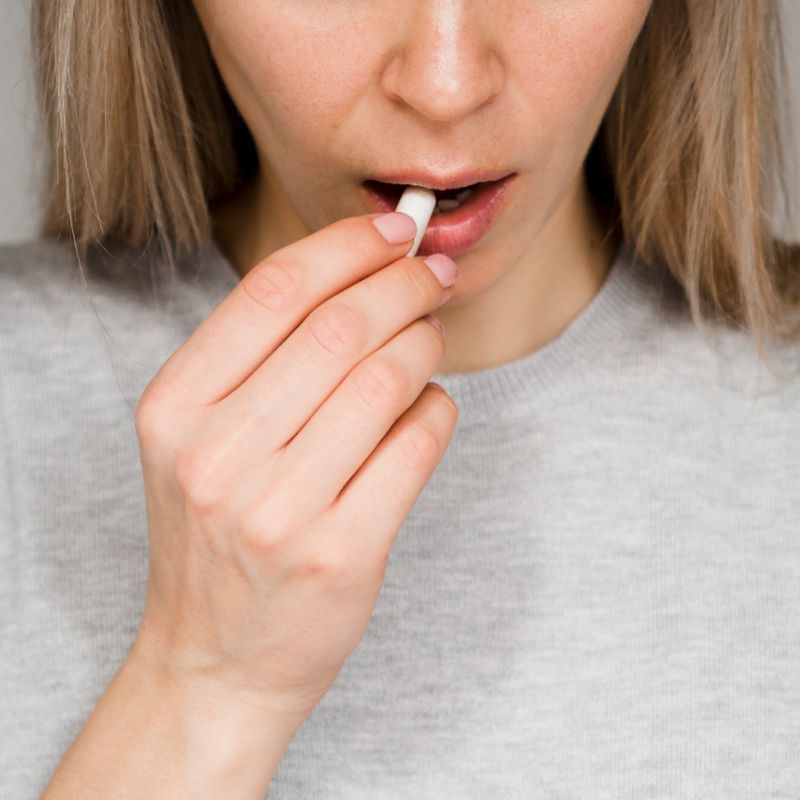
Probiotics and Gut Microbiota Support
Restoring a healthy balance of gut microbiota can play a critical role in managing Candida glabrata infections.
Incorporating high-quality probiotics containing Lactobacillus and Bifidobacterium strains into your diet can help suppress yeast overgrowth and support a more robust immune response.
These beneficial bacteria create an environment less conducive to Candida proliferation by competing for space and nutrients.
Candida Diet
Dietary changes are essential in starving Candida glabrata and preventing its recurrence. Reducing or eliminating refined carbohydrates, sugars, and processed foods is vital, as yeast thrives on these substances. Focus on a diet rich in whole foods, including fresh vegetables, fruits, healthy fats, and lean proteins.
Foods like garlic, onions, and cruciferous vegetables (e.g., broccoli and kale) contain natural antifungal properties and can complement a Candida-fighting diet. Staying hydrated and consuming fermented foods like sauerkraut and kefir may further enhance gut health.
Article of Interest: Candida Diet
Yeastrix Cleanse: A Comprehensive Antifungal Solution
For those looking for an all-in-one solution to tackle Candida glabrata and other fungal or bacterial infections, consider Yeastrix Candida Cleanse, our 3rd generation antifungal supplement. This product combines garlic, oregano with several other powerful antifungals, creating a balanced and effective cleanse for yeast overgrowth.
Yeastrix Cleanse includes:
With Yeastrix Cleanse, you can simplify your antifungal regimen by getting the benefits with key natural ingredients that promote gut health and have been proven to combat yeast infections. Made with the highest-quality, non-GMO, and vegetarian ingredients, it’s designed for those looking for a natural, safe, and effective approach to Candida management.

The Vaginal Yeast Infection Treatment Program
Many Candida species such as Candida glabrata are becoming increasingly resistant to anti-fungal drugs. Fungal-related health problems have become a hidden epidemic and are increasing. Women are increasingly looking for more drug-free and natural ways of overcoming their personal health challenges. With the latest research into natural medicines and fungal/bacterial overgrowth in our new vaginal yeast infection treatment program, we can offer many supportive solutions. The Vaginal Yeast Infection Treatment Program.
Created by a naturopath with years of specialist clinical and research experience in the field of Candida yeast infections, SIBO, and other gut-related health problems such as IBD (ulcerative colitis) and IBS (irritable bowel syndrome).
Preventing Candida Glabrata Re-Infection
Addressing underlying causes and maintaining a balanced internal environment is crucial to prevent Candida glabrata from recurring. Key prevention strategies include:
Conclusion
Candida glabrata may not be as well-known as Candida albicans, but its resistance to treatment makes it a serious concern, especially for those with weakened immune systems. By understanding the symptoms, causes, and treatment options, you can take steps to prevent and manage Candida glabrata infections effectively. Remember, always consult with a healthcare provider for accurate diagnosis and treatment tailored to your specific needs.
Thanks for reading this page, please leave a comment with your views or experience with Candida glabrata.
