

Cleansing For Vaginal Yeast Infection Treatment
Chronic vaginal yeast infections can be a constant source of frustration. Many women have visited our naturopathic clinic seeking lasting relief, often after trying multiple treatments with only temporary success. This page provides self-help vaginal yeast infection strategies and clinically-proven protocols to address this issue effectively, offering hope for long-term healing.
Guided Vaginal Yeast Infection Treatment
Most yeast infections can be successfully treated at home, without needing prescription antifungal medications or creams. The information on this page can help guide you step-by-step through the process, so you can feel confident tackling this issue in the privacy of your own home.
Newly Updated Program

In my first major book about Candida overgrowth, Candida Crusher (2013), I introduced a three-stage protocol to tackle chronic vaginal yeast infections. After years of clinical practice and research, I’ve refined and expanded this approach into a more comprehensive, four-stage program.
My experience with Candida overgrowth and vaginal yeast infection has allowed me to develop a cleansing and balancing protocol that yields exceptional results. Recent research, especially into the vaginal microbiome, has inspired further improvements, making such a protocol clinically more effective (Verstraelen et al., 2021).
Commit to Three Months Cleansing for Chronic Cases
The vaginal cleansing approach I’m about to discuss is especially beneficial for:
For chronic infections, I recommend following this program consistently for three months to fully restore the vaginal microbiome and reduce relapse risk.
By combining this protocol with the Candida diet and Yeastrix Candida supplements, many women in our clinic have found lasting relief. If you’re ready to commit, you can expect to see surprising improvements.
Candida Diet

Candida Diet Food List
The foundation of a good Candida diet is reducing foods that stimulate fungal dysbiosis and emphasising fresh and whole foods that support gut health. Consider the Ultimate Candida Cleanse Program if you have recurring or chronic vaginal yeast infections, it’s a good way of cleaning and re-balancing a disturbed gut and vaginal microbiome.
Below is an accordion box with comprehensive lists of good and not-so-good food choices.Click on any links to take you to the desired page of interest:
Vaginal Yeast Infection Treatment
The 4-Steps to Vaginal Cleansing and Balancing
Our newly-revised 4-step vaginal yeast infection treatment protocol combines the latest scientific research with my decades of clinical expertise, providing a practical and highly effective alternative to conventional pharmaceutical treatments.
The methods we recommend are not only backed by scientific evidence, showing they are just as effective—if not more so—than drug-based options, but they also offer lasting relief by targeting the root cause of vaginal yeast infections.

Step 2 – Vaginal Cleansing – The Vaginal Cleansing Douche
After addressing the root cause in Step 1, Step 2 focuses on cleansing the vaginal area to remove harmful bacteria and yeast overgrowth. This phase is adaptable depending on whether the infection is acute or chronic. Chronic cases may require a longer, more consistent approach, while acute infections often respond to a shorter treatment cycle.
The goal of Step 2 is to cleanse without disrupting the delicate vaginal microbiome, reduce symptoms, and prepare for the next phase of healing.
Vaginal cleansing involves the use of natural suppositories, washes, or implants that gently eliminate pathogens. This process not only helps clear the infection but also prepares the vaginal environment for the next step: restoring balance.
Customising Vaginal Cleansing
The duration and frequency of your vaginal cleansing depend on:
For mild, acute thrush, a simple vinegar or baking soda douche may be sufficient. In some cases, an apple cider vinegar douche can resolve the issue quickly

Debunking A Common Myth
You might have heard that it’s best to avoid treatment during your period to prevent harm. This is a misconception. Many women continue their treatment during menstruation, with no negative effects.
In fact, Candida yeast infections can spread more easily during your period, particularly at the start and end of the cycle. If you’re comfortable, it’s safe to keep your regimen going throughout.
Caution Advised With Daily Douching
While vaginal cleansing provides relief, frequent douching, especially daily, can disrupt the vaginal microbiome and worsen symptoms. Overuse of douching can reduce beneficial bacteria, leading to the overgrowth of Candida albicans or other pathogens.
Research has shown that:
A Balanced Approach to Vaginal Cleansing
To avoid these risks, moderation is key. In our clinic, we’ve seen excellent results using advanced strategies like boric acid implants for persistent infections, which I’ll cover ahead.
The goal of Step 2 is to cleanse without disrupting the delicate vaginal microbiome, reduce symptoms, and prepare for the next phase of healing.
Vaginal Cleansing Douche
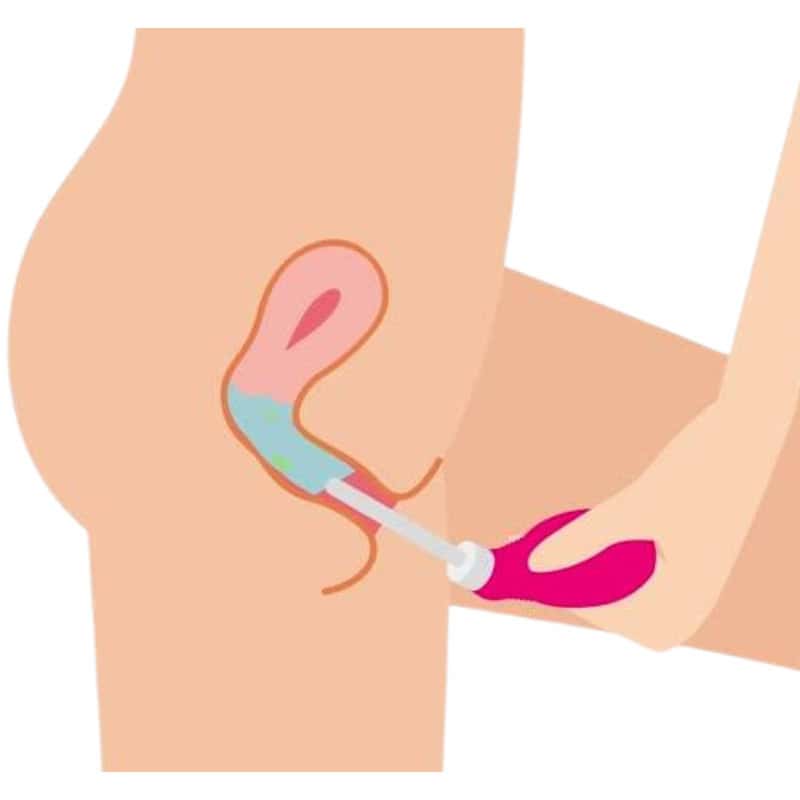
After addressing the triggers and any root cause in Step 1, Step 2 shifts focus our attention to cleansing the vaginal area, helping to eliminate harmful bacteria and yeast overgrowth. The cleansing phase can be repeated as needed, depending on whether the infection is acute or chronic.
Chronic infections may require a longer, more consistent approach, while acute cases often respond well to a shorter treatment cycle.
This phase involves using natural suppositories, washes, or implants to gently remove pathogens. While vaginal cleansing offers significant relief from irritation and itching, it is not as restorative as the subsequent balancing phase.
However, for many women, this step is essential to reduce microbial overgrowth, remove cellular debris, and prepare the vaginal microbiome environment for long-term health.
Benefits Of Vaginal Cleansing
The vaginal cleansing douche focuses on cleansing and sanitising the vaginal area to calm symptoms like itching, burning, and stinging. This treatment is especially useful for managing vaginal yeast infections and bacterial vaginosis (BV).
Duration and Frequency
The treatment is typically applied overnight and repeated for 3 to 7 days, depending on the severity of symptoms. Chronic cases may require additional cycles for full recovery. Studies suggest vinegar douches with 5% acetic acid effectively target bacterial pathogens without harming lactobacilli, making them a safer option for chronic vaginal yeast infections (Martino 2002).
The Cleansing Mixture
A highly effective combination includes freshly mashed garlic, apple cider vinegar (ACV), and organic Greek yogurt. These ingredients work synergistically to eliminate pathogens while being gentle on the vaginal microbiome.
Method
Stronger Cleansing Options for Chronic Cases
For resistant or recurring infections, consider stronger therapies such as tea tree oil, grapefruit seed extract, or boric acid implants, which will be discussed ahead.
Practical Tips for Optimal Results
Hints and Cautions

Garlic Just Works With Candida Overgrowth
Garlic sparks strong opinions—some dismiss its benefits, while others swear by its healing powers. Over the years, I’ve heard myths ranging from garlic poisoning to supernatural fears.
Some patients were even warned by doctors that garlic could “kill all their gut bacteria.” Yet, after decades of clinical experience, I’ve seen first-hand that garlic is a potent natural medicine.
Garlic: A Time-Tested Healing Herb
Used medicinally for thousands of years, garlic (Allium sativum) is one of the oldest recorded remedies for infections and immune support (Block 1985). Its antifungal and antimicrobial properties make it especially effective for vaginal health, with strong scientific backing against Candida and other infections (Khounganian et al., 2023).

Clinical Evidence for Garlic
Traditional wisdom and clinical research confirm garlic’s value. When high-quality natural remedies perform as well—or better—than pharmaceuticals, they should not be overlooked.
Article Of Interest: Garlic
How To Use Garlic for Vaginal Infection
We recommend using fresh garlic externally, and taking one capsule of Yeastrix Candida Cleanse twice daily with meals.

The Garlic Press
I recommend using a small garlic press. It is easier if you flatten a clove with a kitchen knife and peel it first. Then, place the crushed garlic clove in the press and squeeze.
The volatile organic sulfur compound allicin is produced as defence substance when garlic (Allium sativum) bulbs are damaged. Allicin gives crushed garlic its characteristic odour – and power. This lets you know there is allicin. Crush the clove and extract the pulp and juice into a small bowl. Add the ACV and yogurt, mix and use.
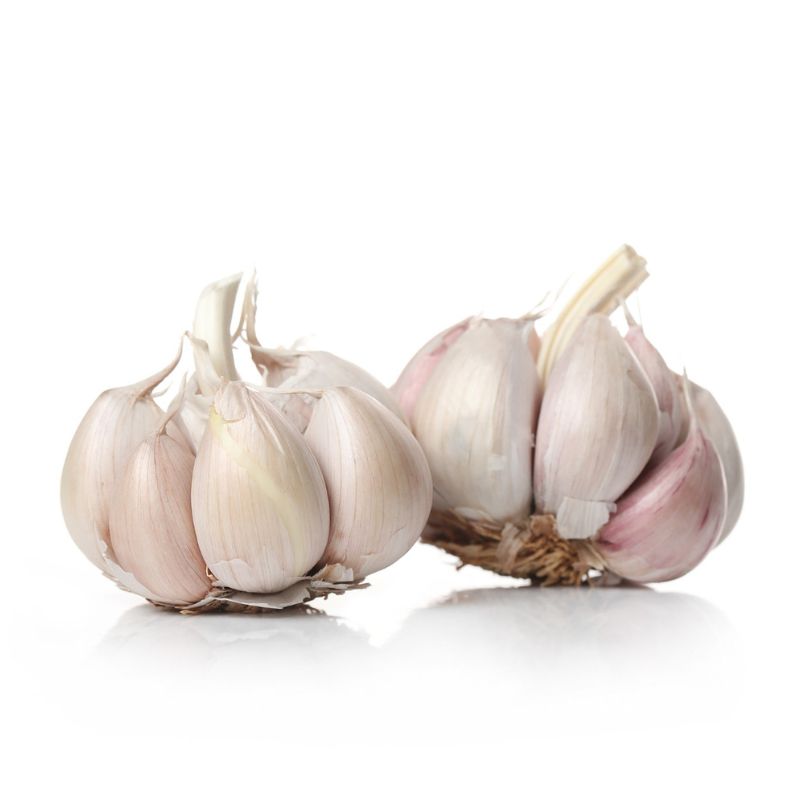
Garlic Tampons
For many years, one of America’s leading women’s health experts Dr. Tori Hudson has advocated for garlic tampons as a remedy for vaginal yeast infections and bacterial vaginosis.
Here’s how:
Occasionally, the clove might “hide” in the folds of the cervix. If that happens, simply press down as if having a bowel movement to help dislodge it.
Garlic Cleansing Mixture
For those hesitant about garlic tampons, try this external cleansing method:
Key Takeaways About Garlic
Garlic might not please everyone, but it’s an unbeatable ally in the fight against Candida and other infections.
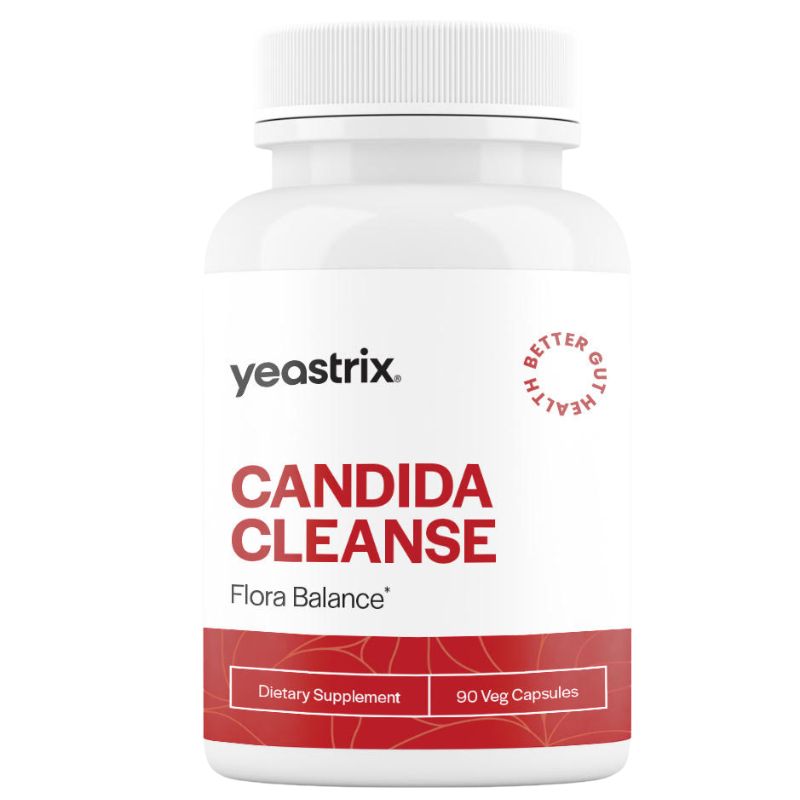
Yeastrix Candida Cleanse: A Candida Solution
Garlic is more than just a time-honoured folk remedy—it’s a scientifically validated powerhouse, and it plays a starring role in our Yeastrix Candida Cleanse formula. This third-generation antimicrobial cleansing dietary supplement combines standardised garlic extract along with 12 other potent antifungal, antibacterial, and antiparasitic ingredients, delivering a targeted, comprehensive approach to Candida eradication.
At the heart of our Yeastrix Candida Cleanse formula is a high-quality standardised allicin extract, the active compound in garlic that’s proven to work not only in labs but also in real-life cases of Candida overgrowth. By using a standardised allicin extract, we ensure maximum potency and effectiveness. This advanced, clinically inspired formulation represents the latest innovation in Candida yeast infection support.
FREE GUIDE: Exactly How to take Yeastrix Products
Apple Cider Vinegar (ACV): A Natural Solution for Vaginal Yeast Infections

Apple cider vinegar (ACV) has been used for centuries, valued for its antimicrobial properties and as a food preservative. In ancient times, it was considered almost magical, long before the mechanisms of fermentation were understood. Today, ACV is widely recognised for its benefits in gut health and overall wellness.
I’ve been recommending ACV to patients since the late 1980s, well before it became a popular trend. Although initially met with some skepticism, the scientific evidence supporting ACV’s antibacterial, antifungal, and postbiotic properties now validates what traditional medicine has known for generations.
ACV: A Postbiotic, Not a Probiotic
Unlike probiotics, which introduce live bacteria, ACV is classified as a postbiotic—a by-product of fermentation containing bioactive compounds that support health. Postbiotics like ACV foster the growth of beneficial bacteria already present in the gut and vagina.
According to Bragg, postbiotics are the materials produced by bacteria during fermentation.These bioactive compounds are found in any food which has been fermented by live bacteria, such as kefir, kimchi, sauerkraut, tempeh, yogurt, and apple cider vinegar.
Though ACV contains some pectin from apple skins, which is a prebiotic, the fermentation process reduces its pectin content. Despite this, I have always considered ACV beneficial for promoting the growth and colonisation of friendly lactobacillus species in the vagina. By lowering vaginal pH, ACV helps discourage harmful bacteria, such as E. coli, from thriving.
It’s important to note that while ACV supports the growth of beneficial bacteria, it lacks the live bacteria necessary to qualify as a true probiotic. Instead, ACV serves as a powerful postbiotic, promoting a healthy microbiome environment without introducing new live organisms.
Read: Apple Cider Vinegar Digestive Shot
Benefits of ACV as a Postbiotic
Below, we’ll explore ACV’s specific benefits for vaginal yeast infections, and its broader applications in health click HERE.
The Nutritional Powerhouse of ACV
The health benefits of ACV stem from its fermentation process, which creates a rich nutrient profile. Key components include:
Read: Apple Cider Vinegar
How To Use ACV for Vaginal Yeast Infection
While douching is more invasive than an ACV bath, it can be effective if used cautiously. The key is moderation to avoid removing too much beneficial flora. For vaginal yeast infections, the recommended dilution of ACV is:
Best Practice for ACV Douching:
Combine small amounts of ACV, organic Greek yogurt, and freshly crushed garlic for a more comprehensive solution. This combination works synergistically to combat yeast infections.
Key Takeaways about Using ACV:
Apple cider vinegar is a time-tested, scientifically supported remedy for vaginal yeast infections. When used properly, it can be a powerful tool in promoting vaginal health and overall wellness.
Calendula Cream and Calendula Douche

Use in Stage 2 (Cleansing) and Stage 3 (Balancing)
Calendula cream and calendula douche are highly effective for vaginal health and recovery. We recommend using them throughout Stage 2 Deep Vaginal Cleanse and continuing into Stage 3 Vaginal Microbiome Rebalancing.
Calendula is unparalleled in its ability to heal skin and combat fungal infections. It is particularly beneficial for women recovering from vaginal trauma, such as childbirth, episiotomies, or vaginal tears.
Calendula’s powerful properties not only soothe irritation but also promote rapid tissue repair and regeneration, making it ideal for lingering issues caused by trauma or infections.
Why Calendula is So Effective
Calendula (Calendula officinalis) is a potent herbal remedy known for its antifungal, anti-inflammatory, and skin-regenerating properties.
It helps combat yeast and bacterial imbalances while supporting the repair of delicate vaginal tissues.
Clinical Study: Calendula vs. Clotrimazole
A triple-blind clinical trial compared Calendula vaginal cream to clotrimazole in treating vaginal Candidiasis. The study involved 150 women aged 18-45, each applying 5 grams of vaginal cream nightly for seven days (Saffari et al., 2017).
Key Findings
Study Take-Away
Benefits of using Calendula Cream for Vaginal Healing
How to Use the Calendula Douche
The calendula douche method is different from using Calendula cream, because a herbal tincture made from Calendula officinalis will first need to be obtained from a health-food store or through an online outlet.
Ingredients:
Method:
Integrating calendula into your vaginal care routine provides a natural and effective way to support healing, fight Candida, and restore balance to the vaginal microbiota.
The Cleanse and Balance Approach to Vaginal Health
For managing deep-seated Candida or bacterial infections, the Cleanse and Balance approach offers a powerful and effective solution by combining natural cleansing and microbiome-restoring treatments.
Just like calendula cream and calendula douche, the garlic and probiotic technique can be used in both Stage 2 and Stage 3 of the Yeast infection Treatment Program.

Garlic Cleansing Protocol
Garlic, a well-known anti-fungal herb, plays a dual role in vaginal health. It directly targets and kills Candida without harming beneficial vaginal flora, making it an ideal cleansing agent.
Additionally, garlic acts as a prebiotic, nourishing beneficial bacteria and encouraging a healthier microbiome.
To use, insert garlic tampons, capsules, or fresh garlic intra-vaginally in the morning to cleanse, disrupt Candida growth, and create an environment less favourable for harmful pathogens.

Probiotic Balancing Protocol
Follow the cleansing step with the Probiotic Balancing Protocol by inserting a Yeastrix Probiotic capsule intra-vaginally in the evening. This restores the balance of beneficial bacteria, strengthens the vaginal microbiome, and promotes long-term vaginal health.
Together, these protocols work together to halt Candida overgrowth while supporting a resilient and thriving microbiome, addressing both the immediate infection and the underlying imbalance. Be sure to follow the Candida Diet.
Key Benefits of This Dual-Approach
Yoghurt: A Soothing and Effective Remedy for Vaginal Yeast Infections

Yoghurt has long been used as a natural remedy for vaginal yeast infections, thanks to its cooling and soothing properties. This time-tested technique is particularly effective at alleviating the discomfort of itching, burning, and irritation commonly associated with these infections.
While some skeptics claim yoghurt is unsuitable for vaginal application due to its natural sugar content, scientific evidence consistently debunks this myth. Research shows that yoghurt, especially when combined with honey, is not only safe but can outperform pharmaceutical treatments like antifungal creams.
Yogurt Has Probiotic Properties
Read: Yogurt
High Lactic Acid Content
The lactic acid in yoghurt creates an environment that Candida cannot thrive in. This property is particularly beneficial for both internal consumption, eating yogurt, applying it vaginally, and topical application (vulva) for a soothing, cooling treatment .
Debunking the Myth: “Yoghurt Fuels Yeast Growth”
Some online sources argue against vaginal use of yoghurt due to its natural sugars. During the fermentation of converting milk to yogurt, the lactose in milk is converted to lactic acid, which:
This property explains yoghurt’s efficacy in both dietary and topical applications. During the fermentation of converting milk to yogurt, the lactose (milk sugar) in milk is converted to lactic acid, which:
However, the “yogurt fuels Candida growth” claim is unsupported by research. Studies clearly show that yoghurt and honey together are more effective than pharmaceutical creams in treating vaginitis symptoms.
The Combined Power of Yoghurt and Honey

The combination of yoghurt and honey offers a powerful, natural remedy for vaginal yeast infections, delivering benefits that extend beyond what either ingredient could achieve on its own.
Honey not only enhances yoghurt’s antimicrobial properties but also adds its own unique range of healing abilities. The pairing creates a synergistic effect that soothes symptoms, restores balance, and promotes healing.
With a bit of research, you’ll find virtually all honey (raw, unheated) is antibacterial and antifungal by nature, with some kinds of honey having far greater anti-microbial activity than others. (Kolayli 2020)
Honey’s antifungal and antibacterial effects are attributed to several mechanisms:
In addition, raw, unprocessed honey contains a rich array of antioxidants that protect tissue from further damage while supporting cellular repair. It also has immune-modulating properties that help strengthen the body’s natural defences against infections.
This makes honey a super food, and an ideal partner for yoghurt, as it enhances the antimicrobial activity while also calming inflammation and promoting faster recovery.
When combined with yoghurt’s probiotics and soothing properties, honey creates a holistic approach to treating Candida infections. This combination works not only to eliminate the infection but also to restore the natural balance of beneficial bacteria in the vaginal microbiome, making it a potent and effective remedy.
How to Use Yoghurt for Vaginal Yeast Infections
What You’ll Need
Preparation and Technique
Yoghurt Douche
For a more comprehensive treatment, yoghurt douching can be highly effective. This method has been successfully used in many cultures where pharmaceutical creams and treatments are unavailable.
Key Recommendations for Using Yoghurt:
Yoghurt, especially when paired with honey, is a safe, effective, and natural alternative for treating vaginal yeast infections. With its soothing properties and proven antifungal effects, this remedy remains a trusted choice for many women worldwide.
The Yoghurt Tampon
Tampons soaked in yoghurt can be an incredibly soothing and effective addition to your vaginal cleansing routine. Many people wonder, Is it safe to leave a yoghurt-soaked tampon in overnight?
The answer is yes—it is completely safe and highly effective for calming irritation, stinging, burning, or itching associated with vaginal infections. Be sure to use a yoghurt known to contain live cultures of Lactobacillus.
Why Use a Yoghurt Tampon?
A yoghurt tampon works by:
Tips for Using a Yoghurt Tampon
Make Your Own Yoghurt
For optimal results, you can make your own yoghurt at home to ensure it’s rich in live lactobacillus cultures. Homemade yoghurt is cost-effective, fresh, and free of unnecessary additives. Follow my detailed recipe here: Eric’s Yoghurt Recipe.
How Long Should You Use a Yoghurt Tampon?
The duration of treatment depends on your needs and comfort level:
Trust Your Intuition
Every body is different. Trust your intuition and listen to how your body responds. Adjust your routine to fit your symptoms, comfort level, and circumstances. This personalized approach often yields the best results.

Anti-Microbial Tampon Treatments
Boosting Treatments for More Effective Vaginal Cleansing
To enhance your vaginal cleansing routine, incorporate other ingredients alongside the core treatments of garlic, apple cider vinegar (ACV), and yoghurt.
These natural options can be used as tampon or pad treatments to target stubborn infections, especially in cases of antifungal drug resistance.
Here are four anti-microbial treatments I recommend:
Coconut Oil Tampon Treatments
Emerging drug resistance in Candida infections is a growing global concern (Hossain 2022). Coconut oil provides a reliable alternative for women struggling with antifungal-resistant infections, particularly in those who have used drugs like Diflucan (fluconazole) without lasting results.
Coconut oil, when combined with essential oils like tea tree oil or grapefruit seed extract (GSE), can be a powerful treatment for vaginal discomfort. This simple method helps eliminate burning, itching, and stinging, making it an excellent remedy for many vaginal symptoms.
Coconut oil is a versatile and powerful remedy due to its fatty acid content, which has been shown to kill bacteria, viruses, parasites, and drug-resistant Candida species. Studies confirm that Candida albicans is 100% susceptible to coconut oil (Ogbolu 2007).
Coconut Oil Tampon Step-by-Step Guide
Coconut Oil Tampon and Treatment Tips
With proper use, this method has proven highly effective for many women dealing with stubborn symptoms. Coconut oil is an excellent carrier for essential oils like tea tree oil, oregano oil, or powerful seed extracts such as grapefruit seed extract.
This combination enhances its antifungal and antibacterial properties, making it particularly effective for stubborn or drug-resistant infections. Adjust the dosage and duration as needed, and always monitor your body’s response.

Australian Tea Tree Oil (Melaleuca alternifolia)
Tea tree oil is widely recognized for its antimicrobial and antifungal properties. Combining coconut oil and tea tree oil creates a potent antimicrobial solution for treating vaginal yeast infections.
This method delivers the benefits of both oils and is a very popular combination that works really well for many women..
Pure Tea Tree Oil Tampon
Tea Tree Oil (Melaleuca alternifolia) is highly effective for treating vaginal yeast infections due to its ability to disrupt the fungal cell wall. Various studies support its use (Hammer 2004).
Important Considerations
Grapefruit Seed Extract For Vaginal Cleansing
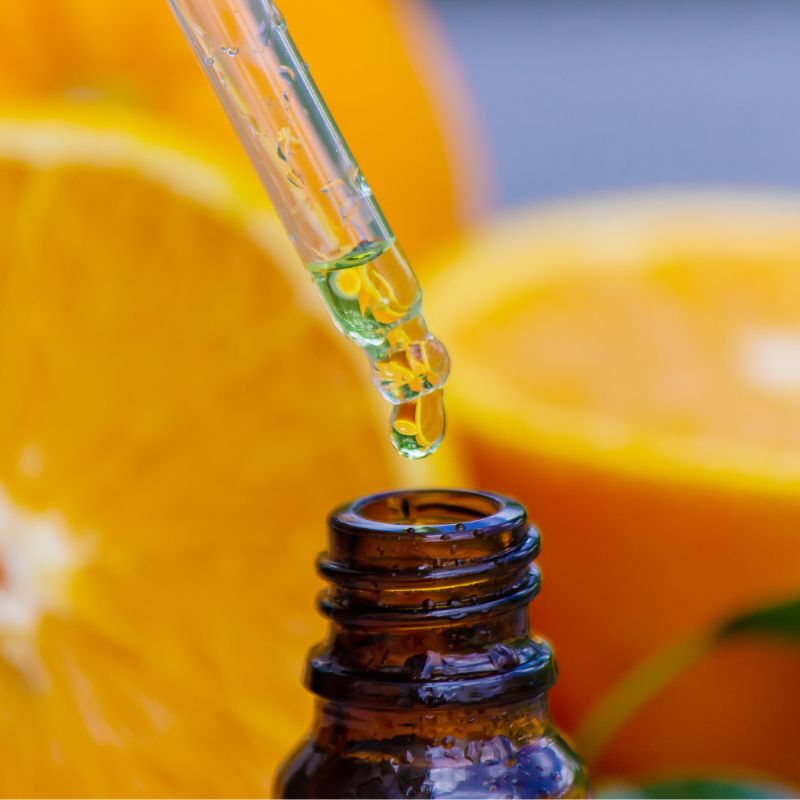
Grapefruit Seed Extract (GSE) is a powerful natural remedy with antibacterial and antifungal properties, making it especially effective for individuals experiencing both gut issues and vaginal thrush. GSE can help to reduce symptoms such as bloating, gas, and diarrhoea, which are often associated with these conditions.
GSE is commonly used to assist in preventing vaginal and faecal contamination, helping to maintain overall gut microbial balance.
This is another powerful natural medicine, particularly effective against stubborn Candida overgrowth infections. Using GSE with coconut oil creates a powerful antimicrobial solution for treating persistent vaginal thrush. Coconut oil contains caprylic acid and capric acids, both known for their antifungal properties.
Read: Grapefruit Seed Extract. Read: Coconut Oil
Although there is limited research specifically on GSE and vaginal yeast infections, its broad antifungal action makes it a promising natural option. Personally I have always found it worked very well in our clinic when it came to vaginal yeast infections and Candida overgrowth in the gut in general. It’s one of the key reasons we use it in Yeastrix Candida Cleanse formula.
Coconut Oil + GSE Tampon
However, without a holistic approach that includes healthy eating, a balanced lifestyle, and stress management, the benefits of GSE may only be temporary.
These above mentioned methods can be very effective, but are best when combined with a holistic approach to treating the root cause of the yeast infection, including healthy lifestyle and diet choices.
Boric Acid: A Clinically-Proven Treatment

Boric Acid Suppositories
Boric acid is a deeply cleansing and powerful sanitiser, making it one of the most effective treatments for stubborn and chronic bacterial and fungal vaginal infections. It is particularly effective for stubborn cases of vaginal yeast infections, including non-albicans strains like Candida glabrata.
In my New Zealand clinic, I’ve recommended boric acid since the 1990s with outstanding results. During a 2012 presentation at a medical conference in Australia, I highlighted boric acid’s efficacy in treating vaginal yeast infections to an audience of over 350 medical doctors. I had a hundred questions afterwards!
One retired GP with a special interest in shared her experience of recommending boric acid since the 1960s. Back then, she worked with chemists to specially prepare capsules as they weren’t widely available. She remarked, “Boric acid appears to be the only thing that really works against stubborn yeast infection cases.”
How Boric Acid Works
Boric acid is a cheap, effective, and proven treatment for even the most resistant vaginal infections. Despite its name, it is generally well-tolerated and does not cause burning or stinging unless the vaginal tissue is damaged.
Key Actions of Boric Acid
Treatment Duration and Protocol
Addressing Common Concerns About Boric Acid
Some patients worry that boric acid might burn or sting due to its name. In reality, this rarely happens unless there are small cuts or wounds in the vaginal tissue. Compared to conventional treatments like Monistat 1, which often causes significant burning, boric acid is much gentler. For context, Google registers 2,400 searches per month for “Monistat burning” in the U.S., reflecting how common this side effect is.
Boric Acid vs. Other Acids
What Conditions Can Boric Acid Treat?
Athlete’s foot, vaginal yeast infections, male pubic jock itch, and minor cuts and burns can all be treated topically using diluted quantities of boric acid. While it is OK to use externally, particularly in a diluted form, boric acid shouldn’t ever be consumed orally.
Why Boric Acid Is a Game-Changer
When used correctly, boric acid has proven to be:
Boric acid remains one of the most effective treatments for vaginal infections when used appropriately. It’s been my clinical experience that it is the penultimate vaginal cleansing treatment, further enhanced by a comprehensive lifestyle and dietary approach.

Boric Acid Research
Boric acid has been extensively studied as a remedy for recurrent vulvovaginal candidiasis (RVVC) and has shown promising results for cases where traditional antifungal treatments fail.
It has emerged as an affordable and effective alternative for addressing both non-albicans Candida and azole-resistant yeast strains.
Key Findings From Research Studies
The Jovanovik Study (1991) – A study involving 92 women with chronic vaginal yeast infections unresponsive to over-the-counter or prescription antifungal treatments found 98% of participants successfully treated their infections with boric acid (Jovanovik et al., 1991).
The Lavazzo Literature Review (2011) – Researchers reviewed 14 studies on boric acid for vulvovaginal candidiasis. (Lavazzo et al., 2011). Cure rates ranged from 40% to 100% across the studies. Conclusion: “Boric acid can be an effective substitute for drug treatments, including non-albicans strains and azole-resistant strains.
The Powell Study (2019 – ) – A study conducted just a few years ago examined boric acid’s effectiveness in treating recurring yeast infections and bacterial vaginosis (BV) (Powell et al., 2019). Results showed that boric acid suppositories were highly effective and caused minimal or no side effects. This reinforces its reputation as a safe and reliable option for persistent infections.
Boric Acid Recommended Reading
For a deeper understanding of boric acid’s applications, refer to the 2019 paper by Rebecca O’Grady, B.Pharm MPS, titled Vulvovaginal Candida Infections & Boric Acid Treatments. It is a comprehensive resource available online.
Boric Acid Can Eradicate Candida Glabrata

Approximately 90% of vaginal yeast infections are caused by five Candida species: Candida albicans, Candida glabrata, Candida tropicalis, Candida parapsilosis, and Candida krusei. Among these, Candida glabrata is the most atypical and is isolated in around 5% of patients with vaginal yeast infections. (Turner et al., 2014)
Unlike Candida albicans, which is often easier to treat, Candida glabrata presents unique challenges due to its resistance to conventional drug therapies. This makes boric acid an invaluable tool in tackling persistent infections.
Candida glabrata is particularly common in diabetic women who suffer from recurrent vaginal yeast infections. Unlike Candida albicans, which is generally easier to treat, Candida glabrata is known for being notoriously resistant to standard antifungal drug treatments, particularly azoles like fluconazole (Diflucan).
Boric Acid vs. Fluconazole for Candida Glabrata
Research has highlighted boric acid’s superiority over fluconazole when treating Candida glabrata infections, especially in diabetic women (Ray et al., 2007). This makes boric acid an obvious first-line treatment for such cases.
Key Findings
Why Boric Acid Works for Candida Glabrata
Boric acid’s ability to eradicate Candida glabrata lies in its antifungal properties, which target drug-resistant strains. By incorporating boric acid into a vaginal cleansing protocol, you are not only addressing Candida glabrata but also:
Additional Notes
In my clinical experience, most cases of Candida glabrata vaginitis resolve entirely when boric acid is used alongside a comprehensive protocol, as outlined in this chapter. With boric acid, you are addressing all Candida species, paving the way for a healthier vaginal environment.
Boric Acid Vaginal Suppositories
Today, there are many boric acid vaginal suppositories available online. This is a significant change compared to when I first published my Candida book entitled Candida Crusher. However, if you cannot find a suitable product or prefer to make your own, it’s simple, safe, and highly effective.
How to Make Your Own Boric Acid Suppositories
Key Notes on Homemade Suppositories
Boric Acid Suppository Treatment Protocol
For best results, follow this treatment regimen:
Important Safety Reminders
Boric acid suppositories offer a non-toxic, highly effective treatment option for vaginal yeast infections. With the proper precautions, they can be safely incorporated into your vaginal cleansing protocol for both acute and recurrent infections.
Boric Acid Treatment Tips
Boric acid suppositories are highly effective for treating vaginal yeast infections, but there are key strategies to optimize their use and enhance results.
During Your Period
Combine with Probiotics
Alternate Treatments for Very Stubborn Cases
Personalising Your Boric Acid Treatment Routine
Prevention is Key
While boric acid is a great treatment, prevention is even more important:
The important thing for now is to focus on nourishing your body to support both gut and vaginal microbiota.
RCOG Guidance and Care of Vulvar Skin
Proper care of vulvar skin is essential but often overlooked in medical discussions. To address this, the Royal College of Obstetricians and Gynaecologists (RCOG) developed evidence-based guidelines to improve the assessment and treatment of vulvar and vaginal issues. These recommendations are based on extensive literature reviews (Chen 2017).
Similarly, a research group from the Middle East and Central Asia created female genital hygiene guidelines (Arab 2011). Both sets of guidelines emphasise the importance of mild cleansing and avoiding irritants to support vulvar health.
Key RCOG Recommendations for Vulvar Care
Additional Precaution
Why Proper Care Matters
The vulvar skin is highly sensitive, and improper care can lead to irritation, dryness, or exacerbation of existing problems. RCOG’s recommendations provide a simple, evidence-based framework for maintaining intimate health. Pair these guidelines with the 4-step vaginal cleansing and balancing program for the best results.
By integrating these practices into daily care, women can promote healthy vulvar and vaginal environments while minimising the risk of discomfort or recurrent issues.
Key Takeaways for Step 2: Vaginal Cleansing
Ready for the third stage of restoring vaginal health? Let’s follow-up with vaginal balancing (Stage 3).

Eric Bakker N.D.
Greetings! I am a naturopathic physician from New Zealand. Although I’ve retired from clinical practice since 2019 after 34 years of clinic. I remain passionate about helping people improve their lives. You’ll find I’m active online with a focus on natural health and wellbeing education through my Facebook page, Reddit page and YouTube channel, including this website.


