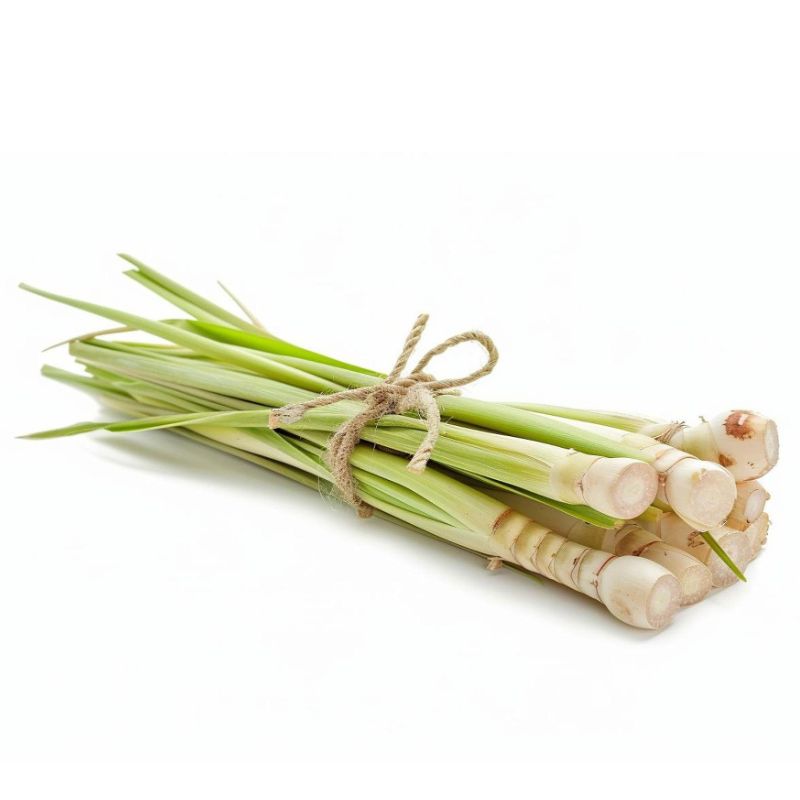
Lemongrass, also known as Cymbopogon, is a versatile herb belonging to the grass family. It thrives in dense clumps, reaching up to six feet in height and four feet in width, and is native to warm, tropical regions like India, Southeast Asia, and Oceania.
Traditionally used as a medicinal herb in India and a staple in Asian cuisine, lemongrass has also found its place in African and South American cultures, where it is commonly used to make soothing teas.
This remarkable herb, particularly its essential oil, has gained widespread recognition beyond the kitchen. The oil, primarily derived from Cymbopogon citratus species, is famous for its fresh, lemony scent with earthy undertones. It’s known for its ability to both stimulate and soothe the body, thanks to its complex chemical makeup.
The Benefits Of Lemongrass
Lemongrass (Cymbopogon citratus) is not just an ingredient in your favourite Asian dishes, it’s a powerhouse of healing and cleansing properties. From easing muscle pain to promoting digestive health, its essential oil and dried herb has made its mark in both traditional medicine and modern wellness practices.
While it shines as a flavouring agent, lemongrass also holds potent medicinal properties that have been scientifically-backed. This wonderful grass is lauded for its antimicrobial qualities, as it has been found to have powerful antimicrobial, insecticidal, antiseptic, and anti-inflammatory qualities.
Besides culinary uses, lemongrass is widely used for its therapeutic uses. Lemongrass essential oil can alleviate muscle pain, ward off many kinds of insects (especially mosquitoes), reduce fever, and support digestive health in several ways. When applied externally to the skin and scalp, it acts as an antibacterial and antifungal agent, while internally it can soothe and balance our nervous and digestive system. Many people incorporate lemongrass into natural cosmetics, soaps, shampoo, and homemade deodorisers for its clean, refreshing fragrance and ability to kill bacteria and fungi like Candida albicans.
What’s more, lemongrass has been used to stimulate menstrual flow, support uterine health, and its antioxidants may prevent the growth of harmful bacteria and yeast. It’s truly remarkable how a humble plant can offer so many benefits, making lemongrass a must-have for those who seek natural remedies for both everyday wellness and chronic conditions.
Whether you’re adding it to your tea, using it in aromatherapy, or applying it to your skin, or taking it internally to balance Candida, treat IBS or IBD, or SIBO, lemongrass is a valuable tool for natural health. In this comprehensive post about lemongrass, we’ll explore all these uses and benefits of lemongrass.
Lemongrass in Cooking, Traditional Medicine, and Modern Use
Lemongrass, native to Asia and now widely grown in tropical regions such as South America, Central America, and Africa, has long been valued for its refreshing lemony scent and versatile uses. Its applications today closely resemble its traditional roles as both a culinary staple and a medicinal remedy.
In Southeast Asia, lemongrass is a culinary cornerstone, commonly used in curries, soups, teas, and marinades. Its citrusy flavour brings freshness to seafood and poultry dishes, and it is often incorporated into many kinds of dishes for a zesty boost. It is commonly added to herbal teas, soups, and a variety of dishes, providing a fresh citrus flavour.
In traditional medicine, it has been used for centuries to address a range of issues such as digestive problems, fevers, and nervous system disorders. Lemongrass essential oil is recognised as safe for use in food by the U.S. Food and Drug Administration (FDA) (Rodriguez et al., 2022).
Across the world, lemongrass holds an important place in herbal remedies (Shah et al., 2011):
Africa: used as a remedy for coughs, headaches, athlete’s foot, and minor cuts.
Argentina: taken with maté tea for sore throats, also used for nausea and cleansing
Brazil: they drink tea to ease anxiety, pain, inflammation, for fevers, as a diuretic
Caribbean: it is regarded as a fever-reducing herb, applied externally to ease pain and arthritis.
Cuba: its used for high blood pressure, catarrh, and rheumatism.
Egypt: hot water extracts used for diuretic and kidney tonic.
India:to help with fevers, stomachaches, headaches, insect bites, ringworm, and rheumatism.
Indonesia: a hot extract of the plant is used stimulate blood flow in the pelvis and menstruation.
Singapore: used to relieve cold and flu symptoms and treat insect bites.
Samoa and Tonga: they apply mashed lemongrass leaves to treat oral infections.
Thailand: many uses, as a condiment, fragrance, diabetes, stomach problems.
Lemongrass Has a Rich History in Other Areas:
Aromatic uses: It is widely used in perfumes, therapeutic oils, soaps, and shampoo.
Beekeeping: Lemongrass essential oil is also utilised in beekeeping, where it mimics the scent of a honeybee’s pheromones to attract bees to hives and swarms. Lemongrass oil has also been more recently found to be effective against varroa mites that affect many beehives. (Bava et al., 2023).
Mosquito Control:
Lemongrass essential oil is also known as citronella oil, is used as a mosquito-repellant. The oil works well when applied to the wrists and ankles two-hourly. It’s found also in candles.
Insecticidal:
The insecticidal property of lemongrass is accredited to its various chemicals, such as alkaloids, flavonoids, and carotenoids, bioactive terpenes, and tannins. Besides its use against mosquitos, it is also effective against head lice
Spiritual practices: In Hoodoo, lemongrass is a key ingredient in van van oil, used for protection, spiritual cleansing, and attracting good fortune in love.
Active Compounds of Lemongrass
Part of the Cymbopogon species, lemongrass is a tall, thin, stalky grass-like plant that thrives in tropical and semitropical climates. Lemongrass contains potent bioactive compounds that offer various health benefits:
Citral and Limonene:
These compounds contribute to lemongrass’s distinct lemony scent and flavour.
Citral has been shown to possess antimicrobial, anti-inflammatory, and antifungal properties, which can support digestion and respiratory health (Kusuma et al., 2024).
Limonene has potential anticancer and anti-inflammatory effects, making it a key component in health-promoting practices (Vieira et al., 2018).
Antioxidant Properties:
Lemongrass is rich in antioxidants, which help neutralise free radicals in the body, reducing oxidative stress. This may protect cells from damage and reduce the risk of chronic diseases (Mukarram et al., 2021).
Citral Is The Key Compound
Lemongrass essential oil is composed primarily of citral—making up 70% to 80% of the oil—which is responsible for many of its therapeutic effects. Citral is a potent biomolecule with various important biological activities and therapeutic implications. It has been found to have anti-diabetic; anti-inflammatory; anticancer; antimicrobial; antioxidant properties (Sharma et al., 2021).
Other compounds include terpenes, alcohols, ketones, esters, and aldehydes, each contributing to its broad range of health benefits.
How to Use Lemongrass
Lemongrass is versatile and can be used in several forms:
Cooking:
Fresh or dried lemongrass is a staple in Asian cuisine, adding flavor to soups, curries, and stir-fries.
Tea:
Lemongrass tea, made from the fresh or dried herb, is soothing and offers various health benefits.
Orally:
Taken as dried herb capsules, lemongrass is known to help alleviate anxiety, colds, fever, inflammation, and insomnia. It also aids in digestion by calming stomach issues like bloating, cramps, and balancing Candida.
Topically:
Lemongrass oil can be applied to the skin via lotions, soaps, or salves. It’s commonly used to relieve headaches, muscle pain, and serves as a natural insect repellent, particularly against mosquitoes.
Aromatherapy:
Inhaling lemongrass essential oil through a vaporizer or diffuser can relieve muscle pain, colds, flu, and infections.
How to Use Lemongrass Oil:
Aromatically:
Diffuse lemongrass essential oil throughout your home using a diffuser to enjoy its therapeutic benefits. Add 5 to 10 drops to your diffuser.
Topically:
Dilute lemongrass oil with a carrier oil like coconut oil (1:1 ratio) before applying it to the skin. Be cautious if you have sensitive skin, and perform a patch test. It can also be added to face washes or masks to combat bacteria that cause acne.
Internally:
The U.S. FDA recognises pure lemongrass oil as safe for consumption. Be sure to use high-quality, therapeutic-grade oil from reputable sellers. You can add a drop to water, mix it with raw honey, or include it in smoothies.
Health Benefits of Lemongrass
There are many health benefits associated with lemongrass, we will be talking about several of these.
Here are just a few of the many health benefits associated with lemongrass:
Anti-Inflammatory
Anti-Fungal
Antioxidant
Bacteria killer
Cholesterol Reducer
Deodoriser and Cleaner
Digestive Improver
Fever Reducer
Fights Colds and Flus
Hair Health Improver
Headache Reliever
Immune System Supporter
Inflammation Reducer
Menstrual Cramp Reliever
Muscle and Tension Relaxer
Natural Bug Repellent
Natural Deodoriser and Cleaner
Skin Health Improver
Stomach Protector
Stress Supporter
Antimicrobial Effects of Lemongrass
Lemongrass oil and lemongrass extracts are widely recognised for their potent antimicrobial properties, effectively combating a variety of harmful microbes.
Studies have shown that lemongrass acts as an antibacterial, antifungal, and antiviral agent, capable of inhibiting the growth of pathogens such as Bacillus cereus, Escherichia coli, Klebsiella pneumoniae, Candida albicans, and Staphylococcus aureus. (Lee et al., 2020), (Wan et al., 2019).
The antimicrobial activity is primarily attributed to citral, the key component in the oil we discussed just before. Research from only recently however indicates that the whole lemongrass plant, when used alongside its essential oil components, offers the highest level of efficacy.
Lemongrass, particularly the whole form, demonstrates a dose-dependent effect—at low concentrations, it prevents microbial growth, while higher concentrations lead to irreversible destruction of the microbes.
Antifungal Activity:
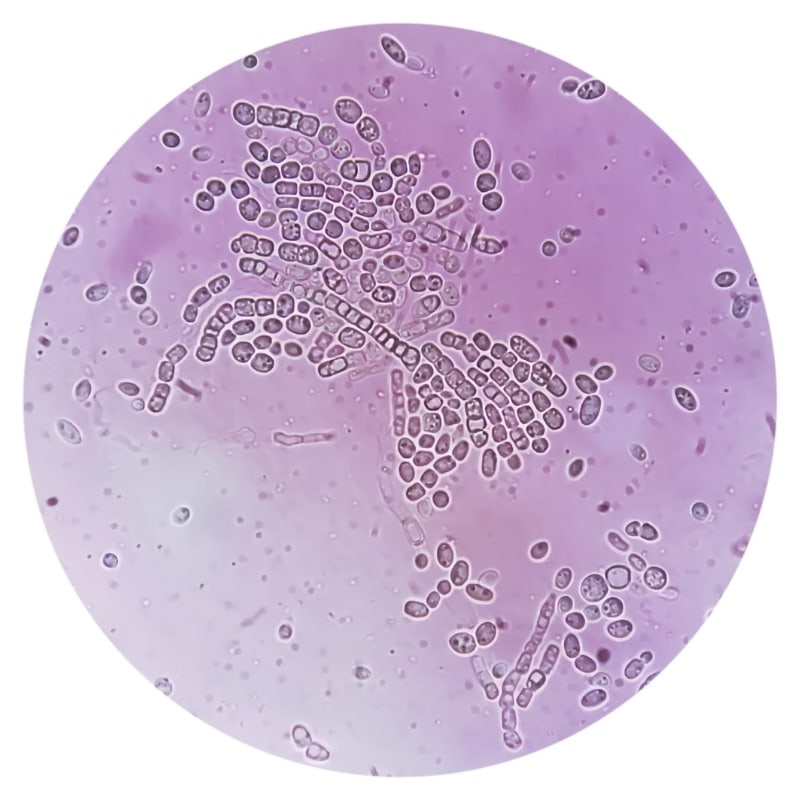
One study evaluated the antifungal activity of lemongrass oil and citral against several Candida species, including Candida albicans, C. glabrata, C. krusei, C. parapsilosis and C. tropicalis. The study found that lemongrass has a potent activity against all Candida species tested. (da Silva et al., 2008).
In other research, Lemongrass essential oil eliminated the Candida albicans biofilm pre-established on medical-grade silicone substantially. (Mat-Rani et al., 2021).
Other studies have found lemongrass to be effective against acne, athlete’s foot, bacterial infections, blocked or open pores, cellulite, fungal infections, hyperhidrosis, oily conditions, and toner (Orchard et al., 2017).
The use of lemon juice and lemon grass for the treatment of oral candidiasis in an HIV population was validated by the randomised controlled trial (Wright et al., 2009). Lemongrass essential oil has antifungal activity against Candida albicans, Candida pseudotropicalis, Mycosporum gypseum, Botritis cinerea, Aspergillus niger, Beauveria bassiana. It is also effective against fungi from the dermatophyte group such as the following: Trichophyton rubrum, Microsporum gypseum, Aspergillus fumigatus, Cladosporium trichoides, Trichophyton mentagrophytes, Epidermophyton floccosum, Botrytis cinerea and Aspergillus nidulans (Kiełtyka-Dadasiewicz et al., 2024).
Biofilm Destruction:
Lemongrass essential oil and its key compound, citral, disrupt the adhesion of Candida hyphae and break down the primary components of the fungal biofilm matrix. These agents also inhibit the adhesion factors and virulence pathways of Candida albicans and Staphylococcus aureus, effectively targeting biofilms formed by both species (Gao et al., 2020).
Antibacterial:
The antimicrobial properties of lemongrass, cinnamon, and geraniol against microorganisms in fruit juices was examined. All three were found to be most effective in inhibiting the growth of Salmonella Enteritidis, Escherichia coli, and Listeria innocua in fruit juices (Raybaudi-Massilia et al., 2006).
A study tested the antibacterial effects of lemongrass. When the essential oil was applied to a staph infection, it disrupted the bacteria, demonstrating strong antimicrobial properties. The citral and limonene in lemongrass oil can kill or inhibit the growth of bacteria and fungi, helping to prevent infections like ringworm, athlete’s foot, and many other fungal conditions (Adukwu et al., 2012).
A study evaluating the antimicrobial effects of 12 essential oils on bacteria responsible for the skin infection pitted keratolysis found lemongrass to be the most effective. It demonstrated the strongest ability to inhibit spore formation, making it particularly potent against the bacteria causing this superficial skin condition (Schweitzer et al., 2022).
One older study found lemongrass extracts demonstrated strong antibacterial activity, particularly against Bacillus subtilis, Pseudomonas aeruginosa, and Proteus vulgaris. The study showed that lemongrass leaf extracts were effective against both Gram-positive and Gram-negative bacteria, highlighting its broad-spectrum antibacterial potential (Balakrishnan et al., 2014).
The antiviral effect of 12 essential oils on Type 1 herpes simplex virus replication was examined in a test tube. Lemongrass was discovered to completely inhibit viral replication even at a concentration of 0.1% (Minami et al., 2003).
Natural Cleaning Agent and Deodorisor:
Lemongrass oil can be used as a natural and safe air freshener or deodoriser. Simply add a few drops of the oil to water and use it as a mist, or diffuse it in an oil diffuser or vaporiser to freshen up your space with its refreshing, lemony scent.
Natural Food Preservative:
The food industry is shifting towards natural preservatives to meet consumer demands for safe, pathogen-free food with an extended shelf life. Lemongrass, with its strong antimicrobial and antioxidant properties due to its terpene content, is a promising natural preservative. It helps ensure food safety by preventing bacteria, fungi, and unpleasant odours, making it a valuable addition to the food industry (Rabail et al., 2022), (Faheem et al., 2022).
Key Points:
Lemongrass is effective against bacteria, fungi, and viruses.
Citral in lemongrass oil is a major contributor to its antimicrobial action.
The whole plant offers superior effectiveness compared to its individual oil components.
Low concentrations inhibit microbial growth, while higher concentrations kill microbes.
This essential oil would make an ideal food preservative due to its widespread antimicrobial nature.
Yeastrix Cleanse: A Comprehensive Antifungal Solution
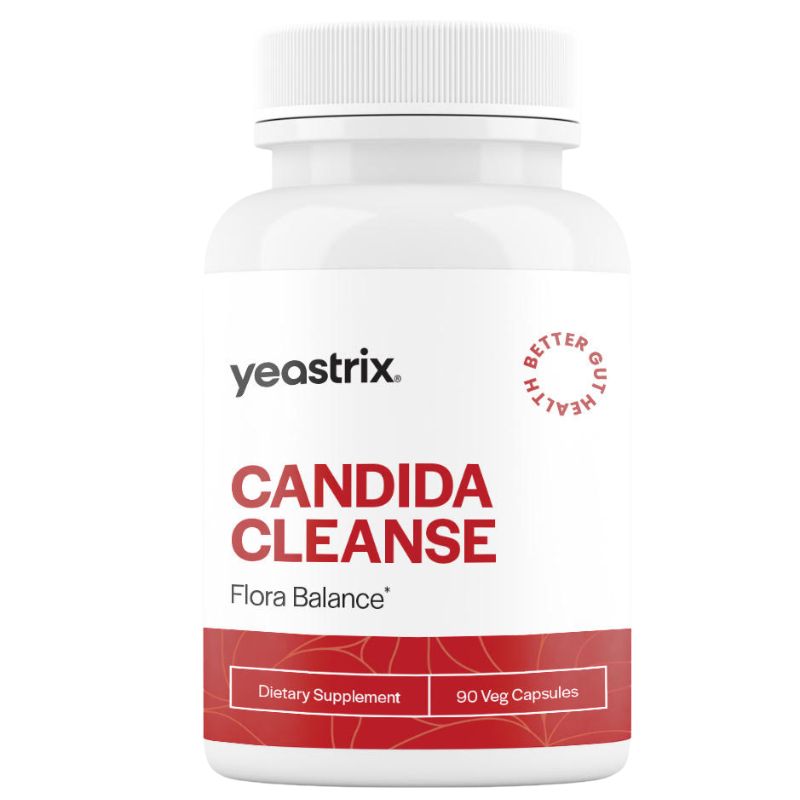
For those looking for an all-in-one solution to tackle Candida and other fungal or bacterial infections, consider Yeastrix Candida Cleanse, our 3rd generation antifungal supplement.
This product combines high-grade lemongrass extract with several other powerful antifungals, creating a balanced and effective cleanse for yeast overgrowth.
With Yeastrix Candida Cleanse, you can simplify your antifungal regimen by getting the benefits of lemongrass along with other natural ingredients that promote gut health and combat yeast infections. Made with the highest-quality, non-GMO, and vegetarian ingredients, it’s designed for those looking for a natural, safe, and effective approach to Candida management.
The Eco-Friendly Insecticide
Lemongrass is primarily cultivated for its essential oil, which has a wide range of pharmacological and industrial applications. While it is extensively used in the cosmetics and food industries, lemongrass oil also shows great promise in the development of eco-friendly insecticides (Moustafa et al., 2021),
Bioactive compounds found in lemongrass essential oil possess a variety of biological activities, including cytotoxic and neurotoxic effects on certain economically important insects (Mukkaram et al., 2022).
Lemongrass oil, rich in citral and geraniol, is a natural bug repellent effective against flies, mosquitoes, ants, and even fleas. Its mild scent makes it suitable for direct application on the skin. (Baldacchino et al., 2013),
Anti-Inflammatory Effects of Lemongrass
Lemongrass has notable anti-inflammatory properties, largely attributed to its essential oil components like citral and geraniol. These compounds help reduce inflammation by inhibiting oxidative stress, and the activity of certain enzymes and pathways that contribute to the body’s inflammatory response.
This makes lemongrass potentially beneficial for conditions linked to inflammation, such as arthritis, muscle pain, and even digestive issues. Lemongrass essential oil offers analgesic benefits that help relieve muscle and joint pain, especially from overexertion during exercise. Its soothing properties make it effective for easing soreness and promoting recovery.
Whether consumed as tea or applied topically, lemongrass can help soothe inflammation and promote overall wellness.
Anti-Inflammatory:
The anti-inflammatory activity of lemongrass has been studied for its effects on lipopolysaccharides (LPS), indicating its potential in treating inflammatory diseases, particularly in the gastrointestinal tract. LPS are also known as endotoxins, poisons made from cell wall fragments. By improving immune responses towards LPS, lemongrass offers a natural therapeutic option for alleviating inflammation and promoting gut health (Figueirinha et al., 2010).
According to one researcher, the anti-inflammatory properties of lemongrass are mainly due to the compounds citral and geranial, which work by inhibiting the release of inflammation-causing markers in the body, helping to reduce swelling and discomfort.
Arthritis and Joint Pain:
A study found that pain levels of the patient with rheumatoid arthritis decreased during applications of lemongrass oil, further applications showed a significant pain decrease. (Priya et al., 2017).
Anti-Oxidant Activity:
Phenolic acids and flavonoids have gained attention for their role as natural antioxidants and free radical scavengers due to their powerful ability to reduce inflammation. The phenolic acids found in lemongrass demonstrate significant antioxidant profiles (Garg et al., 2020).
Lemongrass possess numerous antioxidants such as isoorientin, chlorogenic acid and swertiajaponin which aids in hunting free radicals that may cause disease [9].
A study highlighted that citral can inhibit the growth of human breast cancer, partly due to its antioxidant effects (Mukarram et al., 2021).
Menstrual Pain
Lemongrass tea is known to help relieve menstrual cramps and can also ease nausea and irritability. Drinking one to two cups of lemongrass tea a day may help alleviate period-related discomfort. In many parts of Africa it is also used for the relief from insomnia, stomach disorders, respiratory disorders, fever, pain, swelling, and infections. (Mohammed et al., 2019).
Headache Relief:
Lemongrass oil is commonly used for relieving headaches. Its calming and soothing properties help ease the pain, pressure, or tension associated with headaches. To use, try massaging diluted lemongrass oil onto your temples and inhale its refreshing lemony scent for relief.
Heart Disease and Stroke
Inflammation is believed to contribute to various conditions, including heart disease and stroke. Research from 2024 suggests that lemongrass offers anti-inflammatory benefits by potentially inhibiting the release of inflammation-causing markers in the body (Kiełtyka-Dadasiewicz et al., 2024).
Digestive Effects of Lemongrass
Lemongrass is known for its digestive benefits, often used to soothe stomach discomfort and promote healthy digestion. It helps relieve bloating, indigestion, and cramps due to its natural anti-inflammatory and carminative (reduced gas production) properties.
Additionally, lemongrass can stimulate the production of digestive enzymes, making it a popular remedy in traditional medicine for improving overall gut health and relieving digestive issues like diarrhea and gastritis.
Anti-Diarrhoeal:
Traditionally, the whole stalk and leaves of lemongrass are boiled to make a decoction that is consumed to alleviate diarrhoea. Given its common use in traditional medicine, studies have examined the anti-diarrheal efficacy of the decoction made from C. citratus stalks and its primary chemical component, citral (Tangpu et al., 2006).
The essential oil of lemongrass was found to be active against the parasite Entamoeba histolytica (Blasi et al., 1990).
Digestive Inflammation:
Studies have found that lemongrass helps soothe inflammation in the gut, which can improve digestion and reduce discomfort (Gao et al., 2022).
Liver Protective:
Leaf extracts of lemongrass showed liver cleansing and protective action against cisplatin (chemotherapy) induced liver toxicity in rats. Hence the extracts have the potential to be used for the management of liver diseases and as a therapeutic treatment with chemotherapy (cisplatin) toxicity (Arhoghro et al., 2014).
Studies have found lemongrass can speed up liver detoxification enzymes of many pharmaceutical drugs, as well as improve toxin excretion (Chun-Li et al., 2017).
Oral Health:
Lemongrass oil may support oral health, as shown in a study involving children (aged 9-12) with mild gingivitis. Using a 0.25% lemongrass oil mouthwash twice daily for three weeks led to improvements in plaque and gingivitis. This suggests lemongrass oil could be an alternative to chlorhexidine mouthwash, which can cause side effects (Akula et al., 2021).
Lemongrass extracts have shown potential for use as a mouthwash for reducing plaque, improving gingivitis, and as an adjunct to treatments in chronic periodontitis patients (Kusuma et al., 2024).
Stomach Ulcers:
Lemongrass has long been used as a traditional remedy for stomach issues like gastritis and ulcers. A study demonstrated that lemongrass protected animal stomachs from damage caused by alcohol and aspirin. Researchers concluded that lemongrass oil could have potential for developing new treatments to address nonsteroidal anti-inflammatory drug (NSAID)-induced gastric problems (Fernandes et al., 2012).
Lemongrass tea is known to promote healthy digestion by alleviating stomach discomfort, and indigestion. It helps protect the stomach lining, making it a popular natural remedy for soothing digestive issues.
Immune System Effects of Lemongrass
Lemongrass is known to support the immune system due to its antimicrobial, anti-inflammatory, and antioxidant properties.
By fighting off harmful pathogens like bacteria and fungi, it helps protect the body from infections.
Additionally, its high content of compounds like citral, including flavonoids, and polyphenols helps reduce inflammation, promoting overall immune health and resilience against many illnesses.
Colds and Flu:
Lemongrass oil is effective in combating colds and respiratory infections. A study identified it as a panacea against bacteria, flu, and colds when used with a vaporiser. Research showed that vapours from lemongrass and geranium reduced bacteria by 38% in a sealed environment and by 89% in an office setting within 15 hours. This indicates that lemongrass oil can serve as an effective air disinfectant, inhibiting both antibiotic-sensitive and antibiotic-resistant bacteria (Shah et al., 2011).
Immune System Support:
Lemongrass oil offers significant immune system support due to its antimicrobial and therapeutic properties. Studies indicate that the oil can lower pro-inflammatory cytokines, which are associated with illness (Sforcin et al., 2009).
Lemongrass contains citral, a compound that may help protect against certain types of cancer by boosting the immune system or promoting cancer cell death (Kiełtyka-Dadasiewicz et al., 2024).
While this may seem promising, it’s essential to consult with a doctor before incorporating lemongrass as part of your cancer. Lemongrass tea is sometimes used as a complementary therapy during chemotherapy or radiation (Mukarran et al., 2022).
Lemongrass may also hold promise as having potential for the development as potent anti-tumour and chemo-preventive drugs. (Avoseh et al., 2015).
Cosmetic Use of Lemongrass
Lemongrass is a popular cosmetic ingredient known for its antimicrobial, astringent, and anti-inflammatory properties. Its citral content helps inhibit harmful bacteria, making it ideal for skin cleansers and toners that purify and balance oily skin.
Rich in antioxidants, lemongrass also protects against environmental damage and premature aging. Its anti-inflammatory effects, due to limonene, soothe irritated skin, while its ability to contract blood vessels helps reduce redness. Used in natural deodorants, lemongrass offers a long-lasting, eco-friendly alternative for odor control.
In hair care, lemongrass oil strengthens hair follicles, reduces dandruff, and soothes scalp irritation. Its use in shampoos is believed to prevent hair loss while promoting a healthier scalp. The refreshing, citrusy scent of lemongrass is also favored for its uplifting effects, making it a key component in body care products such as lotions and deodorants, enhancing both their efficacy and sensory appeal.
Skin Health
Lemongrass oil is known for its skin-soothing and anti-inflammatory properties. A 2017 study published in Biochimie Open demonstrated that lemongrass oil reduced inflammation in human dermal fibroblasts, making it a potential treatment for skin inflammation.
Additionally, research from 2022 highlights the oil’s antioxidant and antimicrobial qualities, suggesting that lemongrass could be an affordable, natural alternative in skincare products.
Its antiseptic properties make it an excellent cleanser, helping to sterilize pores, tone the skin, and strengthen skin tissues.
2017 study: Lemongrass reduces inflammation in human skin cells (Biochimie Open).
2022 study: Antioxidant and antimicrobial potential for skincare, suggesting its use in the skincare and cosmetics industry.
Hair and Scalp Health
Lemongrass oil has been found to strengthen hair follicles and combat hair loss. Massaging the oil into the scalp can soothe irritation, reduce bacterial growth, and leave hair looking shiny and healthy.
The oil’s antibacterial and antifungal properties can also inhibit yeast associated with dandruff. Lemongrass oil helps maintain a healthy scalp by reducing dandruff and scalp irritation.
A study involving adults with dandruff showed that a tonic containing 5-15% lemongrass oil significantly reduced dandruff.
Preliminary research suggests that lemongrass oil may reduce dandruff by killing bacteria and yeast that contribute to scalp irritation.
Lemongrass is an effective, eco-friendly natural deodorant with long-lasting odour control.
Citral provides strong antimicrobial benefits, useful for cleansers and toners.
Antioxidants protect skin from aging, while limonene reduces inflammation.
Lemongrass oil is used in shampoos to strengthen hair follicles and reduce dandruff.
Other Health Benefits of Lemongrass
Anxiety and Stress:
Lemongrass is known for its calming properties, making it a popular essential oil for managing anxiety and stress. (Goes et al., 2015). For stress relief, lemongrass can be used in various ways, such as adding it to massage oils or body lotions. Drinking lemongrass tea before bed is another effective method to promote relaxation and a sense of calm.
Blood-Sugar Regulation:
Lemongrass oil may offer potential benefits for blood sugar regulation, particularly in diabetes management. A study found that lemongrass oil helped lower blood sugar levels and improved cholesterol management (Júnior et al., 2024).
Diuretic:
Lemongrass is a popular ingredient in many drinks like detox teas and is thought to aid in weight loss and boost metabolism. Its natural diuretic properties help reduce fluid buildup in the body (Silva et al., 2022).
Selection, Preparation & Storage of Lemongrass
Lemongrass is increasingly available in grocery stores, but in some areas, you may need to visit an Asian market. When selecting lemongrass, look for firm, green stalks with healthy bulbs intact.
Many stores sell it with the tops trimmed, which is fine, as the lower stalk and bulb are the most flavorful parts used in cooking.
To prepare lemongrass for teas, soups, or broths, crush the lower stalk to release its aromatic oils before steeping it in the liquid. Always remove the stalks before serving.
For dishes like curries, salads, marinades, or stir-fries, finely chop or mince the bulb and lower stalk to fully release its flavour. We recommend storing fresh lemongrass in your refrigerator.
How To Make Lemongrass tea
Dried lemongrass leaves are widely used as a lemon citrusy flavour ingredient in herbal teas, prepared either by decoction (simmering) or infusion (steeping) of 2-3 leaves in 250 or 500 ml of boiled water. A more concentrated form of Lemongrass tea is prepared by steeping several stalks in a few quarts of boiling water. This can also be combined with green or black teas.
Making Lemongrass Tea:
Pour 1 cup boiling water over 1 to 2 stalks (or dried teaspoons) fresh or dried lemongrass.
Steep (covered) for at least 10 minutes.
Strain the tea.
Enjoy hot or add ice cubes for iced lemongrass tea.
You can find loose lemongrass tea or lemongrass tea bags on Amazon or other online retailers and at most natural food stores. You can also purchase lemongrass plants at garden centres, that way you can grow lemongrass yourself and harvest it.
Tips for Consuming Lemongrass
Lemongrass is a key ingredient in Southeast Asian cuisine, often blended with chiles, garlic, ginger, and fish sauce to create flavorful pastes for marinating meats or as a base for stir-fries. Its earthy, citrusy taste is versatile and can be used in numerous ways. Here are some creative tips for incorporating lemongrass into your diet:
Make Lemongrass Tea: Add fresh lemongrass to boiling water, steep, and enjoy with honey or sugar for a soothing tea.
Marinades: Combine lemongrass with olive oil, lime, and garlic for a flavorful marinade for pork, shrimp, or chicken.
Dipping Sauces: Mix lemongrass with yogurt or sour cream, ginger, garlic, and coconut milk for a tasty dipping sauce.
Add to Recipes: Finely mince lemongrass and include it in meatloaf, soups, stir-fries, or salads for a citrusy kick.
Lemongrass Paste: a versatile and tasty ingredient made by blending lemongrass, garlic, ginger, and sesame oil.
Prepare Compound Butter: Blend minced lemongrass into butter with herbs to enhance grilled salmon, steak, or pasta dishes.
Lemongrass Paste
Lemongrass paste is a versatile and amazing ingredient made by blending together. It can be esily made, especially if you have a good supply of lemongrass stalks.
The quantity of the ingredients is up to you. You can also add some small red or green chillies if you want to spice things up. This aromatic paste can be stored in the freezer, ensuring you have a fresh supply of throughout the winter months.
Lemongrass stalks
Kaffir lime leaves
Garlic cloves
Ginger fresh
Salt/pepper
Sesame oil
When ready to use, simply fry the paste until it becomes fragrant, then cook it down with a can of coconut milk.This rich, fragrant sauce pairs beautifully with noodles, vegetables, or seafood dishes, adding a burst of exotic flavour to your meals.
Possible Side Effects and Risks of Lemongrass
While lemongrass essential oil is known for its various health benefits, it is highly concentrated and not extensively studied regarding its potential side effects.
In some people, especially those with very sensitive skin, side effects may be more pronounced than those associated with the whole lemongrass plant. Skin-based application can lead to allergic reactions or skin irritation, while oral consumption may result in symptoms such as:
Dizziness
Drowsiness
Increased appetite
Frequent urination
Due to its concentrated nature, essential oils, like any essential oil, can be toxic if ingested. Therefore, consuming lemongrass essential oil should only be done under the supervision of a healthcare professional who can monitor your treatment.
Additional Considerations
Lemongrass is generally regarded as safe when used in cooking, but excessive consumption may lead to unwanted effects, including fatigue, dry mouth, and frequent urination.
Allergic reactions can also occur, manifesting as itching or rashes, although these outcomes are less likely to be experienced if small amounts are consumed.
Pregnant women should avoid lemongrass, as it can stimulate menstrual flow and potentially lead to miscarriage. There is also limited information on its safety during breastfeeding.
For those with kidney issues, it’s essential to consult a healthcare provider before consuming lemongrass, particularly in tea form. Lemongrass acts as a diuretic, which could increase stress on the kidneys, and its high potassium content may be a concern for individuals with kidney disorders who need to limit potassium intake.
Greetings! I am a naturopathic physician from New Zealand. Although I’ve retired from clinical practice since 2019 after 34 years of clinic. I remain passionate about helping people improve their lives. You’ll find I’m active online with a focus on natural health and wellbeing education through my Facebook page, Reddit page and YouTube channel, including this website.
Nutmeg is not a nut but the seed of the Myristica fragrans tree, an evergreen tree species native to Indonesia’s Banda Spice Islands, also known as the Moluccas. This tropical tree is the source of two prized spices: nutmeg and mace.
The Cleaning Diet: Purge Your Plate, Transform Your Life. This revolutionary approach focuses not only on what you eat, but also on how you eat. By eliminating processed foods and embracing whole, nutrient-rich options, you’ll detoxify your body and rejuvenate your spirit. Say goodbye to cravings and hello to vitality with this cleansing program
For individuals struggling with chronic gut issues, antimicrobial foods provide a valuable foundation for restoring balance. They help reduce harmful microbes, protect the gut lining, and encourage the growth of beneficial bacteria necessary for a healthy microbiome. This contributes to symptom relief, better digestion, and long-term healing.
When it comes to using the best Candida cleanse supplements, especially to prevent fungal and bacterial resistance and maximise antimicrobial effectiveness, we recommend using our 3-Phase Antifungal Dosing Method. This structured approach gradually adjusts your intake of antifungal supplements based on your personal tolerance level.
Cinnamon is a spice that has been used for thousands of years. It has powerful antibacterial and antifungal properties that make it most useful when it comes to Candida overgrowth and SIBO.
Undecylenic Acid Is A Potent Antifungal Undecylenic acid is one of the most effective natural antifungal agents used in the treatment of Candida overgrowth…