
Undecylenic Acid Is A Potent Antifungal
Undecylenic acid is one of the most effective natural antifungal agents used in the treatment of Candida overgrowth and other yeast-related issues. Derived from castor oil, this powerful compound disrupts fungal cell membranes, helping restore gut balance and reduce symptoms linked to fungal infections.
In this article, we’ll explore how undecylenic acid works, its benefits, and how to use it safely as part of a comprehensive gut health strategy.
Undecylenic acid, a mono-unsaturated fatty acid, is a natural compound derived from castor bean oil. It’s antifungal abilities have been known for many years. Historically, fatty acids like undecylenic acid have been utilised for their antimicrobial properties, especially in soap production.
In more modern times, undecylenic acid has gained recognition for its potent antifungal capabilities, particularly against different fungal species such as Candida, Microsporum and Trichophyton, making it valuable for both topical and internal applications in maintaining skin, gut, and vaginal health.
It’s also one of the reasons I’ve used undecylenic acid in my Candida-balancing formulations for almost twenty years, long before it became a mainstream natural antifungal medicine.
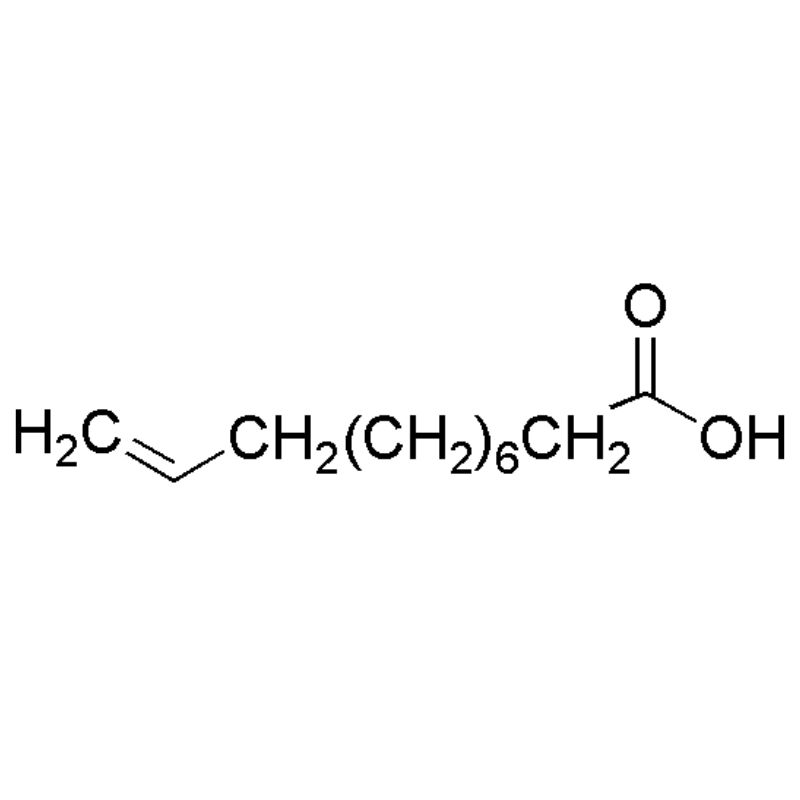
Undecylenic acid Is The Key Compound
Undecylenic acid, with its eleven-carbon chain structure, demonstrates a unique relationship between its carbon atom count and fungicidal activity. It was established more than 50 years ago that the efficacy of fatty acids as antifungal agents increases with the length of their carbon chains.
However, this trend reaches a plateau at eleven carbon atoms, as solubility limitations begin to outweigh the benefits of chain length.
Understanding Free Fatty Acid Fungicidal Activity and pH
While the fungistatic (growth-inhibiting) and fungicidal (fungus-killing) properties of fatty acids like undecylenic acid are well-documented, free fatty acids can irritate mucous membranes in some people, especially in those with very sensitive skin.
Moreover, their strong taste and odour can limit their acceptability as oral supplements. To address these significant drawbacks, the calcium, magnesium, and sodium salts of undecylenic acid have been developed (Delompré et al., 2019).
Calcium, magnesium, and sodium forms of undecylenic acid are not only better tolerated but also more effective, with undecylenate salts showing up to four times the fungicidal potency of undecylenic acid and being as much as 30 times more effective than caprylic acid (AMR 2002).
Mechanism of Action: How Undecylenic Acid Fights Candida

Undecylenic acid is recognised for its potent antifungal effects, with one of its primary targets being Candida albicans, a fungal pathogen responsible for many gut and vaginal infections.
Its antifungal activity is rooted in its ability to interfere with the Candida’s critical cellular processes, particularly morphogenesis—the transition of Candida from its yeast form to the invasive hyphal form associated with active infections.
Inhibits Candida’s Ability To Change Shape
One of the most remarkable effects of undecylenic acid is its ability to prevent Candida albicans from transitioning to its hyphal form (Shi et al., 2016). Hyphae play a crucial role in Candida’s ability to cause disease as they facilitate tissue invasion and biofilm formation.
A study focusing on denture liners infused with undecylenic acid demonstrated its ability to inhibit the yeast-to-hyphal transition (Gonçalves et al., 2012). This finding suggests that undecylenic acid can effectively suppress the mechanisms that allow Candida to become invasive and pathogenic.
Disruption of Candida’s Growth Structures
Undecylenic acid may interfere with Candida’s fatty acid biosynthesis pathways, which are essential for cellular growth and germ tube formation. Germ tubes are the initial growth structures that allow Candida to transition into hyphae, making their inhibition a critical step in halting fungal progression.
Fungal Cell pH Disruption
Medium-chain fatty acids, including undecylenic acid, disrupt the fluid (cytoplasm) within fungal cells. By altering the internal pH, undecylenic acid destabilises Candida’s metabolism, leading to poor fungal cell function and growth. This mechanism highlights its dual functionality: direct inhibition of allowing Candida to form a shape, and disruption of fungal cellular health (Pohl et al., 2011).
Prevents Medical Device Fungal Colonisation
Additionally, undecylenic acid has been found to alter the surface properties of materials, enhancing their antifungal effects. For instance, incorporating undecylenic acid into certain materials significantly reduced Candida-adherence, demonstrating its potential in medical device applications to prevent fungal colonisation (Petrović et al., 2018).
Why Undecylenic Acid for Antifungal Therapy
The ability of undecylenic acid to target the growth, development, and metabolic processes of Candida makes it an essential component of any antifungal strategy. Its effects are particularly valuable because:
More Effective Than Caprylic Acid
Studies suggest that undecylenic acid is approximately six times more effective as an antifungal agent than caprylic acid, another fatty acid known for its antifungal properties (Peck et al., 1938).
This increased efficacy underscores its potential as a superior option for individuals seeking to address Candida overgrowth and maintain microbial balance.
Effective Against A Wide-Range of Fungi
The powerful inhibitory effect of undecylenic acid against a wide variety of fungal species such as Trichophyton, Microsporum, and Candida, was noted in an early study: (Prince 1959).

Gut and Vaginal Microbiome Health Benefits
Undecylenic acid is a potent antifungal agent with significant benefits for gut and vaginal microbiome health. Its ability to inhibit Candida biofilm formation and support microbial balance makes it a valuable tool in promoting optimal gastrointestinal and vaginal health.
Incorporating undecylenic acid into your antifungal dietary supplement regime may offer enhanced support for maintaining a balanced microbiome, especially when traditional treatments have proven ineffective. It makes more sense to take undecylenic acid as part of an antifungal formulation, rather than purchasing it alone.
Benefits for Gut and Vaginal Microbiome Health
Maintaining a balanced microbiome is essential for optimal gastrointestinal and vaginal health. Undecylenic acid supports this balance by:
Undecylenic Acid, Gut Delivery, and pH: Why It Matters

For undecylenic acid salts to exert their antifungal effects in the gut, they must reach areas of fungal overgrowth at an acidic pH. This requirement highlights a challenge: the release of bicarbonate from the pancreas naturally increases intestinal pH, neutralising the antifungal effects of undecylenic acid. Moreover, prolonged exposure to high concentrations of free fatty acids or salts can irritate the delicate intestinal mucosa, potentially causing unwanted symptoms.
Betaine HCL
To overcome these challenges, it is important to combine undecylenic acid with a time-release acidifying agent, such as betaine HCl, can ensure their gradual and targeted delivery. Betaine HCl releases small quantities of acid as it travels through the intestinal tract, creating a localised acidic environment where undecylenic acid can act most effectively.
This approach minimises mucosal irritation, maximises the uptake of undecylenic acid & antifungal efficacy, and restores a healthy pH balance in areas affected by fungal overgrowth.
Delayed-Release Formulations: A Game Changer

Time-release, or “delayed”-release formulations represent a significant advancement in the delivery of undecylenic acid. Products like Yeastrix Candida Candida Cleanse incorporate this technology to optimise antifungal activity.
Encapsulating undecylenic acid in a very special time-released capsule along with betaine HCL ensures that it is gradually released throughout the intestinal tract, maintaining an acidic micro-environment while avoiding pH neutralisation by enzymes produced by the pancreas.
This dual-action strategy not only enhances the bioavailability of undecylenic acid, but also minimises potential side effects, such as gut irritation. The result is a more effective and user-friendly solution for addressing Candida overgrowth and restoring gut health.
Key Take-Away
Yeastrix Cleanse: A Comprehensive Antifungal Solution
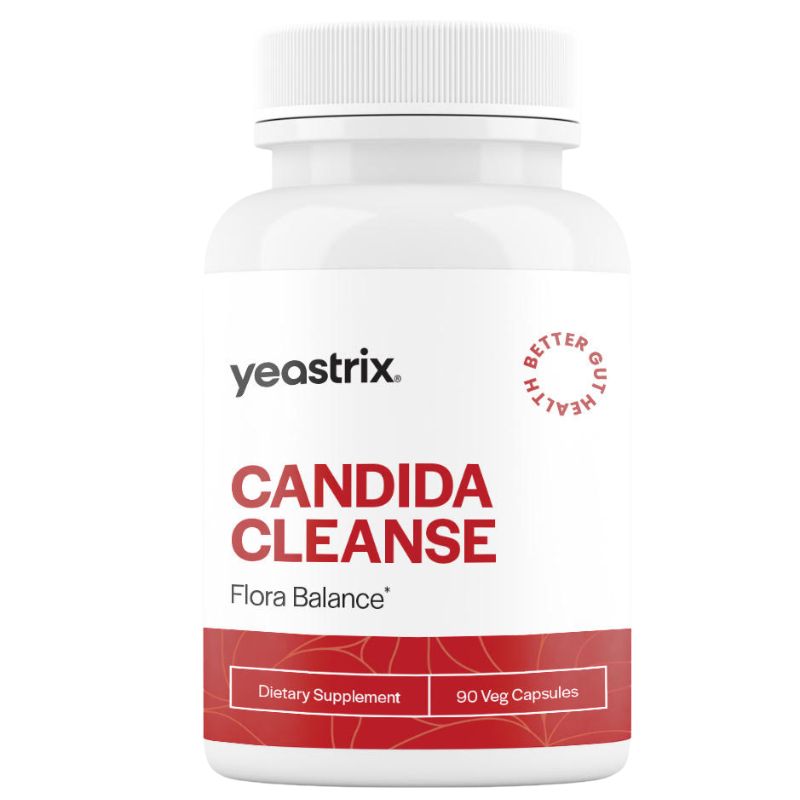
For those looking for an all-in-one solution to tackle Candida and other fungal or bacterial infections, consider Yeastrix Candida Cleanse, our 3rd generation antifungal supplement.
This product combines high-quality undecylenic acid extract with several other powerful antifungals, creating a balanced and effective cleanse for yeast overgrowth.
Yeastrix Cleanse includes:
With Yeastrix Cleanse, you can simplify your antifungal regimen by getting the benefits of undecylenic acid along with other natural ingredients that promote gut health and combat yeast infections. Made with the highest-quality, non-GMO, and vegetarian ingredients, it’s designed for those looking for a natural, safe, and effective approach to Candida management.

How to Use Undecylenic Acid for Skin Infections
Undecylenic acid is commonly used topically to treat fungal skin infections like athlete’s foot.
It comes in various forms, including ointments, powders, and liquid solutions. For best results, follow these guidelines:
Application Instructions
Treatment Duration & Precautions
Proper use of undecylenic acid can effectively combat fungal infections and prevent recurrence when combined with good hygiene and appropriate footwear.

Eric Bakker N.D.
Greetings! I am a naturopathic physician from New Zealand. Although I’ve retired from clinical practice since 2019 after 34 years of clinic. I remain passionate about helping people improve their lives. You’ll find I’m active online with a focus on natural health and wellbeing education through my Facebook page, Reddit page and YouTube channel, including this website.