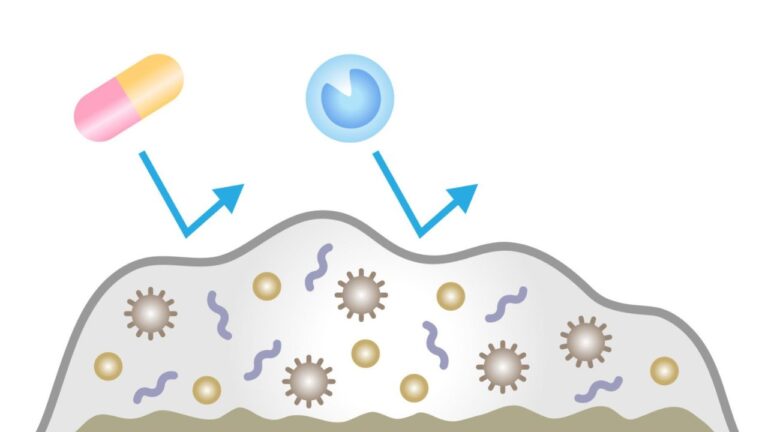

What Is Mold?
Molds are fungi that grow as microscopic branching structures called hyphae. A network of hyphae is known as a mycelium. A network of hyphae is known as a mycelium. Molds reproduce by producing microscopic spores that can spread through the air and settle on new surfaces.
Mold is a normal part of the natural environment and is found both indoors and outdoors. Mold spores can enter homes through windows, doors, ventilation systems, clothing, shoes and other routes. Mold becomes a problem indoors when spores encounter suitable conditions for growth, particularly persistent moisture. ((NIOSH, 2025)
Mold can grow on many materials, including wood, paper, cardboard, drywall, carpet, fabric and other organic materials. It may appear in a variety of colours, including white, green, grey, brown or black. The colour of a mold does not reliably indicate how dangerous it is. (NIOSH, 2025)
Unlike plants, molds do not have true roots, stems or leaves. The thread-like hyphae that make up the mold can grow across and into the material on which the fungus is growing.
Table of contents
- Understanding Mold
- Conditions for Mold Growth
- Is Mold Dangerous?
- What About Black Mold?
- Mold Symptoms and Health Effects
- Who Is Most Vulnerable to Mold?
- Mold in Your Environment
- Can Environmental Mold Affect the Gut?
- Could Mold Exposure Influence the Gut Microbiome?
- Mold and Candida: Is There a Connection?
- What About Black Mold and Candida?
- Can Mold Exposure Cause Fungal Infection?
- How to Reduce Mold Exposure in Your Home
- Do You Have a Damp or Leaky Home?
- When Should You Get Professional Help?
- Should You Test Your Home for Mold?
- What About Mold Testing for Your Body?
- What Should You Do If You Think Mold Is Affecting Your Health?
- Mold, the Gut and Candida: What We Know—and What We Don’t
- Our Perspective
- Key Takeaways
- Conclusion
- References
Understanding Mold
When mold grows on food or other organic material, the visible patch on the surface may represent only part of the fungal growth. Hyphae can extend into the material, particularly when the food is soft or porous.
For this reason, simply removing a visible patch of mold does not always make a contaminated food safe to eat. The appropriate response depends on the type of food, its moisture content and the extent of the mold growth. (USDA, 2013)
Molds are made up of several structures:
- Hyphae: microscopic, thread-like structures that make up the body of the mold.
- Mycelium: the interconnected network of hyphae.
- Spore-producing structures: specialised structures produced by some molds.
- Spores: microscopic reproductive structures that allow molds to spread.
Molds are fungi, whereas bacteria are single-celled prokaryotic microorganisms. Fungi also include yeasts, which are predominantly single-celled, as well as larger fungi such as mushrooms.
Conditions for Mold Growth
Mold growth depends on several factors, particularly moisture, temperature, available nutrients and the characteristics of the material on which the mold is growing.
Warm, damp conditions generally encourage mold growth. Indoors, excessive moisture can result from leaking roofs, windows or pipes, flooding, condensation, high humidity or other water problems. (CDC, 2024; NIOSH, 2025)
Molds can also tolerate conditions that inhibit many bacteria. Some molds can grow on acidic or salty foods and can even grow at refrigerator temperatures. This is why mold may occasionally appear on foods such as fruit, tomatoes, jams, jellies and cured foods, even when they have been refrigerated. (USDA, 2013)
Mold contamination can occur at different stages of the food supply chain, including during production, harvesting, processing, transport and storage.
Is Mold Dangerous?
Mold is a normal part of the environment, and most people are exposed to mold spores regularly without becoming ill. However, exposure to damp or moldy environments can cause health effects in some people. (CDC, 2024)
The effects vary considerably from person to person. Some people may experience no noticeable symptoms, while others may develop allergic reactions or irritation affecting the nose, eyes, throat, skin or lungs.
People with asthma or mold allergies may experience more significant reactions. Research has also linked exposure to damp indoor environments with respiratory symptoms, worsening asthma and hypersensitivity pneumonitis in susceptible individuals. (CDC, 2024; CDC/NIOSH, 2025)
People with substantially weakened immune systems or certain chronic lung conditions can also be more vulnerable to fungal infections caused by some environmental molds. These invasive mold infections are rare but can be serious or life-threatening. (CDC, 2024)
What About Mycotoxins?
Some molds can produce substances called mycotoxins. These are naturally occurring chemical compounds produced by certain fungi under particular conditions.
The presence of mold does not automatically mean that harmful levels of mycotoxins are present. Mycotoxin production depends on the particular fungus, the material on which it is growing and environmental conditions.
It is therefore important to distinguish between mold exposure and mycotoxin exposure. Many established health effects associated with indoor mold involve allergic reactions, irritation and respiratory conditions rather than a generalised condition of “mold poisoning.”
Mycotoxins are also an important food-safety issue because certain molds can contaminate agricultural commodities such as grains and nuts. (USDA, 2013)
What About Black Mold?
The term “black mold” is commonly used to describe dark-coloured molds. One species that has received particular attention is Stachybotrys chartarum, which can grow on water-damaged materials.
However, the colour of a mold does not tell you whether it is more dangerous than another mold. Many different molds can appear black, dark green or grey, and identifying a mold by appearance alone is unreliable. (CDC/NIOSH, 2025)
Stachybotrys chartarum can produce certain mycotoxins under appropriate conditions, but finding this mold in a building does not automatically mean that people living or working there will develop illness.
If visible mold is present, the practical priority is generally to address the moisture problem and remove the mold appropriately, rather than becoming focused on identifying the exact species. (CDC, 2024; EPA, 2026)
Mold Symptoms and Health Effects
Exposure to damp or moldy environments can affect people differently. The strongest evidence concerns respiratory, allergic and irritation-related effects.
Common symptoms associated with mold exposure include:
Nose and Sinuses
- Sneezing
- Runny or blocked nose
- Nasal irritation
- Hay fever-like symptoms
Eyes
- Redness
- Itching
- Watering
- Burning or irritation
Respiratory System
- Coughing
- Wheezing
- Sore throat
- Shortness of breath
- Worsening of asthma
Skin
- Skin irritation
- Rash
Mold can also irritate the eyes, nose, throat, skin and lungs in people who are not allergic to mold. (CDC/NIOSH, 2025)
People with asthma, mold allergies or certain underlying lung conditions may be particularly sensitive to damp or moldy environments. (CDC, 2024; CDC/NIOSH, 2025)
Hypersensitivity Pneumonitis
In susceptible people, exposure to mold and other environmental agents can contribute to hypersensitivity pneumonitis, an immune-mediated inflammatory condition affecting the lungs. Symptoms can include cough, shortness of breath and fatigue. This is different from an ordinary mold allergy and requires medical assessment. (Institute of Medicine, 2004; CDC, 2024)
What About Brain Fog, Fatigue and Digestive Symptoms?
People sometimes report symptoms such as fatigue, headaches, difficulty concentrating or digestive problems in connection with suspected mold exposure. However, these symptoms are nonspecific and can have many possible causes.
They should not automatically be attributed to mold exposure, Candida, mycotoxins or another single explanation. Persistent or unexplained symptoms warrant an appropriate medical assessment that considers the person’s overall history, environment and other possible causes.
Who Is Most Vulnerable to Mold?
Most people can encounter mold spores without developing a serious illness. However, some people are more vulnerable to particular health effects.
These include people with:
- Asthma or mold allergies
- Certain chronic lung conditions
- Significantly weakened immune systems
- Medical conditions or treatments that increase susceptibility to fungal infections
People with severely weakened immune systems are at particular risk of invasive mold infections, which can affect the lungs, sinuses or other organs. These infections are uncommon but can be severe. (CDC, 2024)
People with significantly weakened immune systems should avoid entering buildings with substantial mold contamination and should not participate in mold cleanup. (CDC, 2024)
Mold in Your Environment
Mold spores are a normal part of both indoor and outdoor environments. The goal is therefore not to create a completely mold-free home—which is neither realistic nor necessary—but to prevent persistent dampness and significant indoor mold growth.
Indoor mold problems usually arise when moisture is present for long enough to allow fungi to grow. Common sources include leaking roofs or plumbing, flooding, condensation, poor ventilation and persistently high indoor humidity. (CDC, 2024; EPA, 2026)
The most useful approach is to identify and correct the moisture problem, rather than focusing solely on the visible mold.
Where Should You Look for Mold?
Pay particular attention to:
- Bathrooms and showers
- Around windows and window frames
- Under sinks and around plumbing
- Ceilings and walls affected by leaks
- Damp carpets and flooring
- Areas affected by flooding
- Around heating, ventilation and air-conditioning systems
- Behind furniture where condensation or poor airflow occurs
- Roof spaces, basements and other areas prone to dampness
A musty odour can also indicate hidden mold growth, particularly when there is a history of water damage.
If you suspect mold behind walls, ceilings or other concealed areas, avoid disturbing the material unnecessarily. Removing wallpaper, drywall or other materials can release spores into the air. Professional assessment may be appropriate when hidden mold is suspected. (EPA, 2025)
Can Environmental Mold Affect the Gut?
This is an area where more research is needed.
Humans are exposed to complex communities of microorganisms from the environment every day, including bacteria and fungi. The microorganisms present in indoor environments can vary according to factors such as building materials, ventilation, humidity, occupants and pets. Research into the relationship between the indoor microbiome, environmental exposures and human health is still developing. (Recent review, 2026)
It is biologically plausible that environmental exposures could influence the microorganisms we encounter and interact with, but this is not the same as demonstrating that household mold grows down into the human gastrointestinal tract or directly causes intestinal Candida overgrowth.
Molds are filamentous fungi and can grow as networks of hyphae in suitable environments. However, seeing hyphae in an environmental mold colony should not be interpreted as evidence that mold from a building is growing through a person’s digestive tract.
Likewise, inhaling mold spores does not mean that those spores will establish a fungal infection in the gut.
Some environmental fungi can cause invasive infections, but these are uncommon and occur predominantly in people with substantial immune impairment or other significant risk factors. (CDC, 2024)
This distinction is important because discussions about “mold in the gut” can sometimes combine several different concepts:
- exposure to environmental mold spores
- allergic or inflammatory responses to mold
- exposure to fungal metabolites such as mycotoxins
- changes in the environmental or intestinal microbiome
- gastrointestinal colonisation by fungi
- invasive fungal infection
These are not interchangeable conditions.
The Indoor Microbiome: An Emerging Area of Research
Our understanding of the microorganisms that inhabit indoor environments is evolving. Researchers are increasingly studying the indoor microbiome—the communities of bacteria, fungi and other microorganisms found in indoor environments, including air, dust and surfaces
A 2026 systematic review of 106 studies found that indoor microbial communities vary according to factors such as humidity, ventilation, building characteristics, occupants, pets and other environmental conditions. Fungi including Cladosporium, Aspergillus and Penicillium are commonly detected in indoor environments. (Šunić et al., 2026)
This research is helping scientists better understand how the microorganisms present in our buildings may interact with human health. However, the field is still developing, and substantial differences in sampling and analytical methods make it difficult to draw firm conclusions about the health effects of particular indoor microbial exposures. (Šunić et al., 2026)
Importantly, this research does not demonstrate that household mold grows into the gastrointestinal tract or directly causes Candida overgrowth. Those are separate questions requiring separate evidence.
Could Mold Exposure Influence the Gut Microbiome?
There is an interesting scientific question here, but we need to be careful about what the evidence actually shows.
The human gut contains a complex microbial ecosystem consisting of bacteria, fungi, viruses and other microorganisms. Environmental factors—including diet, medications, lifestyle and the surrounding microbial environment—can influence microbial communities.
Research into the mycobiome, the fungal component of the microbiome, has shown that fungi such as Candida can form part of the normal gastrointestinal ecosystem. The presence of Candida does not automatically indicate disease.
It is therefore reasonable to investigate whether environmental fungal exposures could influence microbial ecosystems indirectly. However, there is currently insufficient evidence to conclude that exposure to household mold directly causes intestinal Candida overgrowth in otherwise healthy people.
This is an important distinction between a research question and an established clinical conclusion.
We are interested in this emerging area because understanding how environmental exposures interact with the bacterial and fungal communities in the body may eventually help explain why some people develop persistent symptoms while others do not.
For now, however, claims that household mold is a direct cause of Candida overgrowth should be treated cautiously.
Mold and Candida: Is There a Connection?
Mold and Candida are both fungi, but they are not the same organisms.
Common indoor molds include genera such as Cladosporium, Aspergillus, Penicillium and Alternaria. Candida albicans, by contrast, is a yeast that commonly lives on and within the human body, including the mouth and gastrointestinal tract, without necessarily causing disease.
A person can therefore be exposed to environmental mold without developing Candida overgrowth.
Similarly, finding Candida in a biological sample does not establish that environmental mold exposure caused it.
What About the Immune System?
There is a reasonable biological basis for investigating whether significant environmental exposures, poor indoor air quality and chronic respiratory or allergic inflammation can affect overall wellbeing. However, the relationship is complex.
People with substantially weakened immune systems are clearly more vulnerable to certain invasive fungal infections, including infections caused by environmental molds. (CDC, 2024)
That does not mean that ordinary exposure to household mold causes immunosuppression in otherwise healthy people.
Nor does it mean that mold exposure automatically causes Candida overgrowth.
For someone experiencing persistent Candida infections, digestive symptoms or other unexplained problems, it is therefore more useful to consider the whole clinical picture rather than assuming that mold is the single underlying cause.
What About Black Mold and Candida?
The term “black mold” can make the relationship sound more specific than it actually is.
Stachybotrys chartarum is one mold associated with water-damaged materials, but many other molds can also appear dark or black. The colour of the mold does not tell you whether it is responsible for someone’s symptoms.
If someone has a significant mold problem in their home, addressing the dampness and removing the mold is sensible regardless of the species involved.
However, there is currently no good evidence that living in a home containing black mold directly causes Candida overgrowth.
This is an area where it is particularly important to separate established evidence from plausible hypotheses.
Can Mold Exposure Cause Fungal Infection?
Yes—but the circumstances matter.
Some environmental molds can cause serious fungal infections, particularly in people whose immune systems are substantially weakened.
Examples include people undergoing certain cancer treatments, organ transplant recipients and people taking medications that significantly suppress immune function. (CDC, 2024)
These infections are very different from ordinary exposure to mold spores in the environment.
For most healthy people, the more established health concerns associated with indoor mold are allergic reactions, irritation, asthma exacerbation and other respiratory effects, rather than invasive fungal infection. (CDC, 2024; Park & Cox-Ganser, 2022)
How to Reduce Mold Exposure in Your Home
The most effective way to control indoor mold is to control moisture.
Keep Indoor Humidity Under Control
The EPA recommends keeping indoor relative humidity below 60%, ideally between 30% and 50% where possible. A simple humidity meter can help you monitor conditions inside your home.
If humidity is consistently high, consider:
- improving ventilation
- using exhaust fans
- using a dehumidifier
- using air conditioning where appropriate
- reducing sources of unnecessary indoor moisture
Fix Leaks Promptly
Repair leaking roofs, gutters, pipes, windows and plumbing as soon as possible.
Water-damaged materials should be dried quickly. The EPA recommends drying wet or damp areas within 24–48 hours where possible because prompt drying can help prevent mold growth.
Improve Bathroom Ventilation
Bathrooms generate considerable moisture through showering and bathing.
Use an exhaust fan that vents outdoors and allow moisture to escape rather than remaining trapped inside the room.
Wipe away persistent condensation and address any leaks around showers, baths, toilets and plumbing.
Check Kitchens and Laundry Areas
Cooking, dishwashing and clothes drying can all increase indoor humidity.
Where possible:
- use kitchen extraction
- vent clothes dryers outdoors
- repair leaking appliances
- dry wet areas promptly
- avoid allowing condensation to remain on walls and windows
Don’t Paint Over Mold
Painting over visible mold does not solve the underlying problem.
The moisture source needs to be corrected and the contaminated material appropriately cleaned or removed. The EPA specifically advises against enclosing, sealing or painting materials that are wet or showing biological contamination.
Do You Have a Damp or Leaky Home?
In some homes, the source of moisture is obvious. In others, it may be hidden.
Possible warning signs include:
- Persistent condensation on windows
- Damp or musty odours
- Water stains on ceilings or walls
- Peeling or bubbling paint
- Damp carpets
- Repeated leaks
- Visible mold growth
- Areas that remain unusually damp
- Water entering after heavy rain
- Previous flooding or water damage
If you are renting and a persistent leak or dampness problem is not being addressed, report it to your landlord or property manager. Persistent moisture problems may require professional building assessment or remediation.
When Should You Get Professional Help?
Small areas of surface mold may sometimes be managed safely using appropriate cleaning methods, depending on the material and circumstances.
Professional help may be appropriate when:
- the mold covers a large area
- there has been significant flooding
- mold is growing inside walls or ceilings
- heating or ventilation systems may be contaminated
- water damage is extensive
- the source of moisture cannot be identified
- the building has persistent dampness
- someone in the household is particularly vulnerable to mold-related health effects
If you have a significantly weakened immune system, you should not undertake mold cleanup yourself. (CDC, 2024)
The objective of professional remediation is not simply to kill mold. The underlying water or moisture problem must also be corrected, otherwise mold can return.
Should You Test Your Home for Mold?
This is one area where online advice can become unnecessarily complicated.
If you can already see mold, testing is usually not necessary.
The EPA states that routine mold sampling is generally unnecessary when visible mold is present because there are no federal standards defining an acceptable level of indoor mold spores.
Instead, the priority is to:
- Find the source of moisture.
- Correct the moisture problem.
- Remove or clean the affected material appropriately.
- Prevent the problem from returning.
Professional sampling may occasionally be useful when the source of contamination is unclear, when hidden mold is suspected, or when there are specific reasons to document the extent or type of contamination.
What About Mold Testing for Your Body?
This is another area where caution is warranted.
There are commercial tests marketed as ways of determining whether someone has been exposed to “toxic mold,” including urine tests for mycotoxins.
However, a laboratory finding of a mycotoxin in urine does not, by itself, establish that a person has mold-related illness or identify the source of the exposure.
Some mycotoxins can be encountered through food, and the interpretation of urinary metabolites depends on the particular toxin, exposure, timing and testing method.
For this reason, body-based mold testing should not replace a proper assessment of the person’s symptoms, medical history and environment.
What Should You Do If You Think Mold Is Affecting Your Health?
Start with the basics.
If you have visible mold or significant dampness in your home, address the environmental problem.
If you have symptoms that appear to worsen in a particular building, discuss this with your healthcare professional. Keeping a simple record of where and when symptoms occur may also be useful.
For example, you might notice that symptoms:
- improve when you are away from a particular building
- worsen after spending time in a damp room
- occur alongside nasal or respiratory symptoms
- coincide with visible mold or persistent musty odours
This information does not prove that mold is the cause, but it can provide useful context for further investigation.
Persistent symptoms should also be assessed for other possible causes rather than automatically being attributed to mold.
Mold, the Gut and Candida: What We Know—and What We Don’t
There is growing interest in the relationship between environmental microorganisms, the human microbiome and health.
That makes this an interesting area for future research.
However, it is important to distinguish what has been demonstrated from what remains hypothetical.
We know that:
- Mold is a normal part of the environment.
- Damp and moldy buildings can contribute to respiratory and allergic health problems.
- People with asthma or mold allergies can be particularly sensitive.
- People with substantially weakened immune systems are more vulnerable to invasive fungal infections.
- Candida can normally live in the human gastrointestinal tract without causing disease.
- Environmental mold and Candida albicans are different types of fungi.
- Persistent dampness should be corrected and significant mold contamination appropriately addressed.
We don’t yet know enough to say that:
- household mold directly causes intestinal Candida overgrowth
- inhaled mold spores grow down into the gastrointestinal tract
- black mold routinely causes immune suppression in otherwise healthy people
- mold is the underlying cause of unexplained digestive symptoms
- a positive urine mycotoxin test proves that household mold is causing illness
These distinctions matter.
Science advances by investigating plausible ideas, testing them and seeing whether the evidence supports them. We should remain open to new research while avoiding conclusions that the current evidence does not yet justify.
Our Perspective
Mold is worth taking seriously—but it doesn’t need to become something to fear.
A damp, moldy building is a genuine environmental health concern, particularly for people with asthma, allergies or significant immune suppression. At the same time, not every symptom experienced by someone living in a moldy environment is necessarily caused by mold.
We are particularly interested in the emerging research around the environmental microbiome, the human gut microbiome and fungal communities.
There may be important connections that we do not yet fully understand.
That is why we believe it is better to keep asking questions, examining the evidence and updating our understanding as better research becomes available.
If future research demonstrates stronger connections between environmental fungal exposure, changes in the gut microbiome and Candida, we will update our information accordingly.
For now, the most evidence-based approach is straightforward:
Find the moisture. Fix the moisture. Remove significant mold appropriately. Look after your respiratory and overall health. And don’t assume that every symptom has a single cause.
Key Takeaways
- Mold is a normal part of the environment, but persistent indoor dampness can allow mold to grow excessively.
- Mold exposure is most clearly associated with allergic, irritant and respiratory effects.
- People with asthma, mold allergies and significantly weakened immune systems may be more vulnerable.
- “Black mold” is not a medical diagnosis, and mold colour does not reliably indicate how dangerous it is.
- Stachybotrys chartarum is one mold associated with water-damaged environments, but many different molds can appear dark.
- Household mold does not currently have sufficient evidence to be described as a direct cause of Candida overgrowth.
- Environmental mold and Candida albicans are different fungi.
- Invasive mold infections can occur, but they are uncommon and primarily affect people with substantial immune impairment or other major risk factors.
- The most important step in controlling indoor mold is controlling moisture.
- Indoor humidity should ideally be maintained between 30% and 50%.
- Visible mold usually does not need routine laboratory testing; the moisture source should be addressed first.
- Commercial body-based mold and mycotoxin tests require cautious interpretation and should not be treated as standalone diagnoses.
- Persistent or unexplained symptoms deserve a broader clinical assessment rather than automatically being attributed to mold or Candida.
Conclusion
Mold is neither something to ignore nor something to fear unnecessarily.
For most people, ordinary exposure to environmental mold spores does not result in serious illness. However, damp buildings and significant indoor mold growth can contribute to respiratory, allergic and irritation-related health problems, and vulnerable people can face greater risks.
The most effective strategy is to address the environmental conditions that allow mold to grow: fix leaks, control humidity, improve ventilation and remove significant mold contamination appropriately.
When it comes to Candida and gut health, the science is more complicated.
There are interesting questions about how environmental exposures might interact with the microbiome, but current evidence does not justify saying that household mold directly causes intestinal Candida overgrowth or that mold routinely grows into the gut.
As research develops, our understanding may change.
For now, the best approach is to take mold problems seriously, keep an open mind about emerging research, and interpret symptoms and laboratory findings within the broader clinical picture.
References
Centers for Disease Control and Prevention. (2024). About mold and your health.
Centers for Disease Control and Prevention. (2024, December 11). About invasive mold infections.
Centers for Disease Control and Prevention, National Institute for Occupational Safety and Health. (2025, February 25). Health problems.
Centers for Disease Control and Prevention, National Institute for Occupational Safety and Health. (2025, February 25). Mold, testing, and remediation.
Institute of Medicine. (2004). Damp indoor spaces and health. The National Academies Press.
Park, J.-H., & Cox-Ganser, J. M. (2022). NIOSH Dampness and Mold Assessment Tool (DMAT): Documentation and data analysis of dampness and mold-related damage in buildings and its application. Buildings, 12(8), 1075. https://doi.org/10.3390/buildings12081075
Šunić, I., Šarac, J., Havaš Auguštin, D., Pozdniakova, S., Ferguson, R. M. W., Jergović, M., Visentin, D., Borràs, S., Archer, E., Henderson, D. K., Vitko, S., Ašić, A., Bošnjaković, A., Maglica, Ž., Viegas, C., Novokmet, N., Karlović, N., Marjanović, D., Muszyński, A., Liu, Y., Karisola, P., Alenius, H., Krych, L., & Lovrić, M. (2026). The indoor microbiome: Sampling, analysis and emerging trends. Environmental Microbiology Reports, 18(2), e70272. https://doi.org/10.1111/1758-2229.70272
U.S. Department of Agriculture, Food Safety and Inspection Service. (2013, August 22). Molds on food: Are they dangerous?
U.S. Environmental Protection Agency. (2025, December 1). Mold course chapter 3: Finding mold and moisture.
U.S. Environmental Protection Agency. (2025, December 1). Mold course chapter 7: Evaluating the remediation.
U.S. Environmental Protection Agency. (2026, January 14). Mold testing or sampling.
U.S. Environmental Protection Agency. (2026, February 18). A brief guide to mold, moisture and your home.

Eric Bakker N.D.
Greetings! I am a naturopathic physician from New Zealand. Although I’ve retired from clinical practice since 2019 after 34 years of clinic. I remain passionate about helping people improve their lives. You’ll find I’m active online with a focus on natural health and wellbeing education through my Facebook page, Reddit page and YouTube channel, including this website.