
Understanding Diaper Rash
When it comes to diaper rash, there are some common misconceptions that need to be addressed. Many people assume that a fungal yeast infection, such as Candida, is the primary cause of diaper rash. However, in my experience, this is often not the case. While yeast infections can contribute to diaper rash, they are not usually the main cause.
In many instances, diaper rash is actually the result of a food intolerance or food allergy. This reaction can be triggered by something the mother consumed if she is nursing, or directly by the child if they are eating solid foods. It’s important to differentiate between food allergies and intolerances, as they have distinct medical definitions, which we will explore in more detail later when discussing diet and nutrition.
It’s also important to note that the symptoms of a diaper rash caused by a food intolerance or allergy can closely resemble those of a rash caused by Candida. This similarity can sometimes lead to confusion in identifying the actual cause of the rash.
Yeast Diaper Rash

If your child has previously experienced oral thrush, a yeast infection in the mouth, they may be more susceptible to developing a yeast-related diaper rash. When a child with oral thrush eats, the yeast can pass through their digestive system and eventually appear in their stool, which comes into contact with their diaper. This creates an environment where yeast can thrive, especially in the warm and damp conditions of a diaper.
Additionally, yeast infections are more common in babies who are taking antibiotics or in breastfed babies whose mothers are on antibiotics. Antibiotics can disrupt the balance of beneficial bacteria in the body, which normally help control yeast growth. When these helpful bacteria are diminished, yeast has more opportunity to flourish, potentially leading to a yeast-related diaper rash.
Understanding these underlying causes is crucial for effectively managing and treating diaper rash, ensuring your child stays comfortable and healthy.
How Do I Know If My Child Has A Diaper Rash Caused By Yeast Or Food?
This is a common question I used to get asked a lot by mothers. You’ll know by eliminating any suspect foods for about a week, up to a ten day period.
If the rash clears up promptly when you stop the suspected food, you’ll notice a change very quickly, sometimes within 24 hrs.
If your baby has a diaper rash with a bright red ring around the anus, and draws his or her legs up to their abdomen, it can indicate intestinal cramping pain, a symptom more indicative of food intolerance.
You will find more likely the diaper rash to a be food-related aggravation, if this leg-drawing and crying are the only symptoms, apart from the red ring around the anus. Watch and observe carefully.
Diaper Rash Treatment
Avoid Diaper Rash Trigger Foods
Sometimes you are not dealing with a diaper rash caused by a yeast infection, but a food-related diaper rash. On other occasions, it can be that a food-related diaper rash has developed into a diaper fungal infection, because the conditions were right.
But how do you tell the difference between a skin rash caused by food aggravation, or by yeast? You can tell by the appearance of the rash, and how quickly the rash responds to treatment. I’ve put a chart together describing the signs, symptoms, and treatment of both types.
Are You a Nursing Mother?
Let’s take a look at certain potential foods that can trigger a diaper rash in a baby or infant, we call them trigger foods. You will find them pretty easy to uncover, especially if the mother is consuming any allergenic-foods, thereby expressing these proteins into her child through nursing.

Is Your Young Child Eating Take-Away or Ultra-Refined Foods?
It’s not uncommon for children to develop strong preferences for certain types of foods. These foods can significantly influence their emotional, cognitive, and physical well-being, including their immune system.
I’ve observed that some children become noticeably calmer and more balanced once addictive or trigger foods are removed from their diet and replaced with nutritious options. Pay close attention to the foods your child consistently craves—whether it’s an orange, a slice of cheese, or something else.
Over the years, I’ve witnessed this pattern countless times in my clinic. It’s always striking to see the positive changes that occur when a child’s diet is adjusted to eliminate problematic foods.
Be mindful of what your child eats, particularly the foods they frequently ask for or crave. Consider what they might be consuming when you’re not around. If your older, diaper-wearing child has a penchant for snack foods like candy, chocolate, ice cream, or perhaps craves oranges, cookies, cheese, or soda, it’s worth evaluating these habits.
While we’ll dive deeper into the importance of healthy eating later on, it’s crucial to begin discouraging the consumption of junk and take-away and ultra-processed foods in favour of fresh, wholesome meals.
To truly see the benefits, this shift in dietary habits requires commitment from you as well. By investing in healthier eating choices, you set the foundation for your child’s long-term well-being.
Avoid Sweet and Acid-Forming Foods
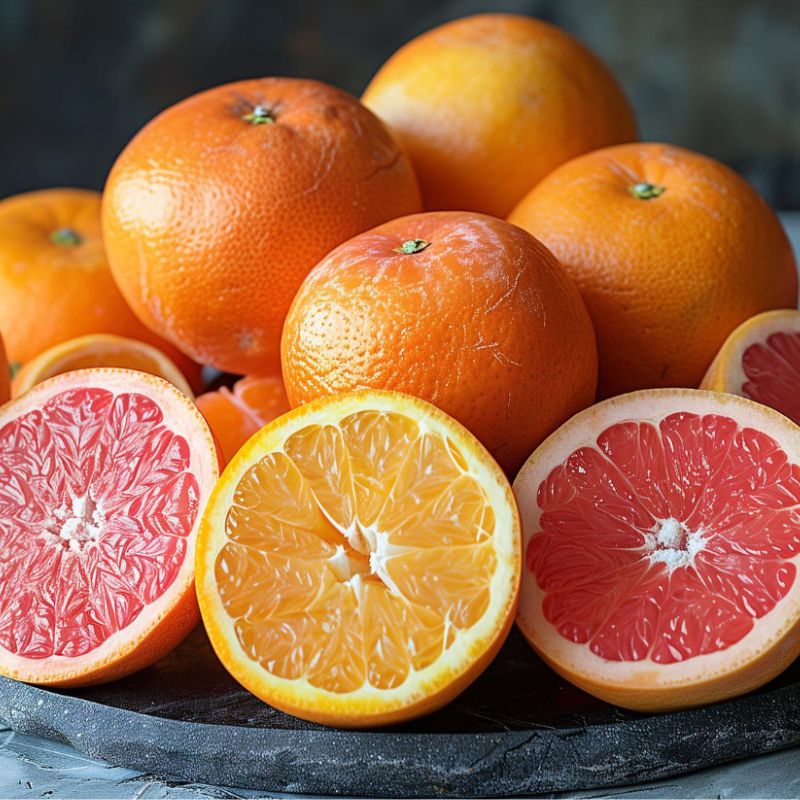
When dealing with diaper rash, especially if you’re nursing or caring for a baby or young child, it’s important to consider the impact of sweet and acidic foods.
These foods are often the culprits behind diaper rash, as they can create an environment that exacerbates skin irritation.
It’s also wise to reduce the intake of red meat, opting for fish and chicken instead, as these are less likely to contribute to acidity.
While some vegetables, like broccoli and cauliflower, are often associated with a certain level of gassiness, they are not typically linked to diaper rash and can be included in the diet without concern.
By avoiding these sweet and acidic foods, you may help alleviate and prevent diaper rash, ensuring your baby remains comfortable and rash-free.
Here is a list of common acidic foods you might want to remove from your diet if you are breastfeeding, or from your child’s diet, if a diaper rash develops:
Most Common Childhood Food-Allergy

Over the years, our clinic has conducted several hundred blood tests for food allergies in children, and certain foods consistently appear as common allergens. Below is a list of foods that are frequently associated with food allergies in children:
Should My Child Avoid All Foods on Food Allergy List?
No, not necessarily. However, if your child has diaper rash or any other fungal infection and is drawn to one or more of these foods, I recommend temporarily removing the suspected food from their diet and observing any changes. This approach can help determine whether the food is contributing to their symptoms, allowing for more effective management of their health.
Cow’s Milk
However, the most common food allergy in infants and young children worldwide is cow’s milk dairy allergy, or cow’s milk infant powder. According to research cow’s milk affects 0.5 to 3 percent of all children in the developed world. (Flom et al., 2019). We recommend the removal of cow’s milk-based products, and have found goat’s milk a good low-allergy substitute.
Childhood Food Allergy List
| Identifying Fungal Diaper Rash | |
| Don’t treat Candida diaper rash the way you would a conventional (non-fungal) rash. First identify and eliminate any offending foods/drinks the mother may be consuming (if nursing) or the baby is consuming. | |
| Food Intolerance Diaper Rash Symptoms | Fungal Diaper Rash Symptoms |
| Pink or red skin, smooth, chapped, burning. | Red skin with pimples or dots |
| Rash responds to diaper creams and can clear up in as little as 2-3 days. | Rash hardly responds to standard creams. Responds much better to antifungal cream. |
| Rash can occur on smooth skin surfaces, like the vulva, or the buttock area. | Rash more likely to occur in dark, moist areas like the folds of legs, genitals, or buttocks. |
| Rash does not generally occur with oral thrush. | Rash can more easily accompany mouth or tongue yeast infection. |
| Rash more common to one localised area. | Rash can have satellite spots outside the localised rash area. |
Best Yeast Diaper Rash Tips
Diaper Rash Prevention
Preventing diaper rash is essential for keeping your baby comfortable and healthy. One effective way to protect your baby’s skin is by using a barrier cream or ointment as advised by your doctor.
These products create a protective layer on the skin, shielding it from moisture and irritants that can exacerbate the rash. It’s important to note that while powders like talcum or cornflour have been used traditionally, they are not recommended due to the risk of inhalation, which can be harmful to a baby’s lungs.

Diaper Rash Cream
If the diaper rash does not improve after three days of treatment, it’s crucial to contact your baby’s doctor for further evaluation. Persistent rashes may require different treatments or indicate an underlying issue that needs to be addressed.
Additionally, seek medical attention if your child develops a fever, or if the rash worsens into open sores or bleeding yellow spots. These could be signs of a more serious infection that requires prompt medical care.
For additional treatment options, you might consider speaking with your pharmacist about natural remedies. Creams based on calendula or tea tree oil can offer soothing relief and have natural anti-inflammatory and antimicrobial properties.
There are many products available, so it’s worthwhile to explore these options if you prefer a more natural approach.
By following these preventive measures and being proactive in addressing diaper rash, you can help ensure your baby stays comfortable and healthy.
Best Ways To Keep Baby’s Bottom Clean and Dry
Read a more about the best ways to avoid diaper rash on page entitled : 12 Best Diaper Rash Tips

Eric Bakker N.D.
Greetings! I am a naturopathic physician from New Zealand. Although I’ve retired from clinical practice since 2019 after 34 years of clinic. I remain passionate about helping people improve their lives. You’ll find I’m active online with a focus on natural health and wellbeing education through my Facebook page, Reddit page and YouTube channel, including this website.