SHARE
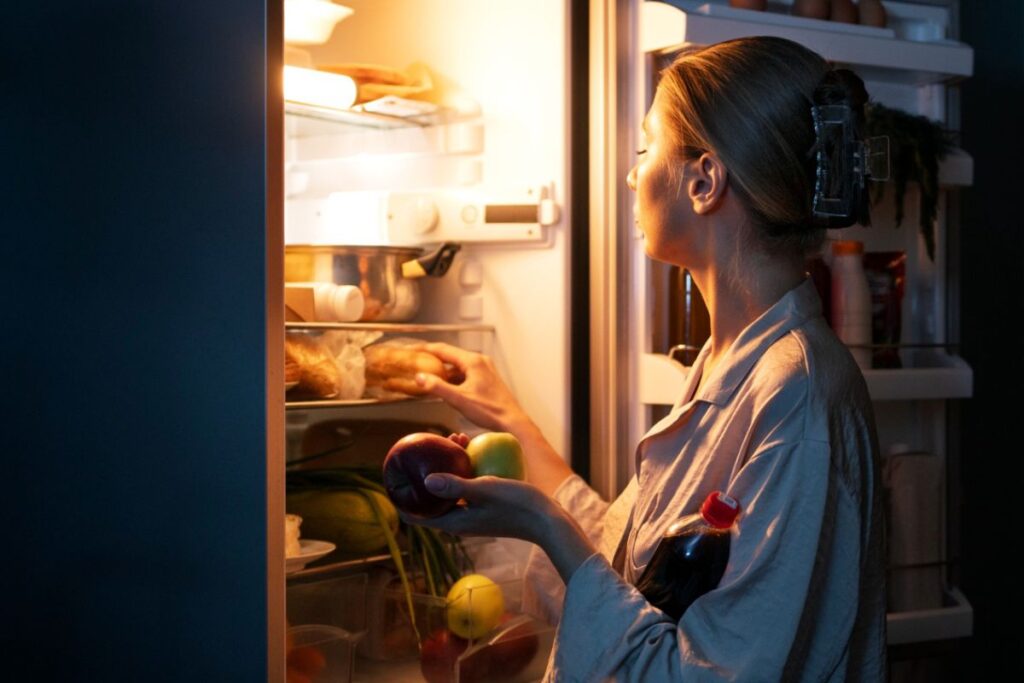
A woman in a robe looks into an open refrigerator, holding an apple, a peach, and a bottle of soda in her hands.

Turn Your Pantry and Refrigerator into a Healthy Food Haven

Pantry and refrigerator essential foods. When our pantry and refrigerator are packed with delicious, healthy foods, eating clean becomes simple. By mostly eating well, we make important health-conscious decisions. These are the food choices that build our long-term health and wellbeing.

Let’s start to avoid buying unhealthy foods, drinks, and condiments. This page helps you revamp your refrigerator and pantry. Turn them into spaces full of delicious, convenient, healthy choices.

We can create a health-building haven in our kitchen. Carefully clean and organise your pantry, refrigerator, and freezer. Then restock with nutrient-dense foods that offer higher nutritional value than what was previously stocked.

Throw Out The Junk and Clear The Clutter
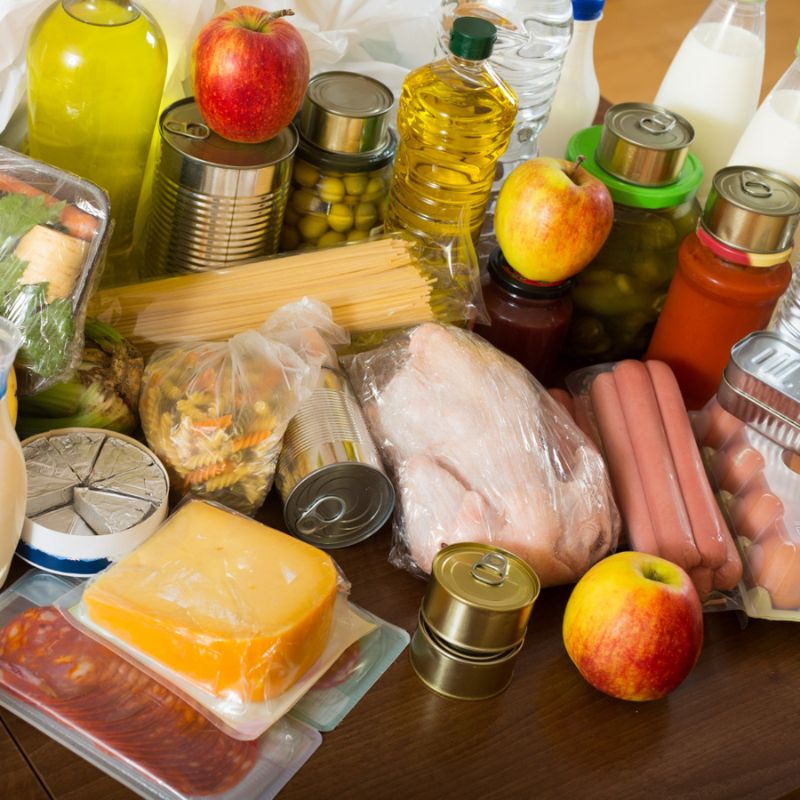
A variety of groceries, including fresh fruits, vegetables, pasta, meat, canned goods, bottles of oil and milk, cheese, and delicatessen meats, are displayed on a wooden table.

For this make-over, we’ll go deeper than just wiping, tidying, and rearranging shelves. Why take everything out, clean, and then put it all back?

Instead, the idea is to throw out foods, drinks, and snacks that don’t build good digestive health. Take a look at your pantry and fridge now. How much would you keep? How much needs to go? You’ll be surprised at what lurks in the back that belongs in the trash can.

By clearing the clutter we can make healthier food choices. Free your storage areas of junk and processed foods. Stock them with healthy, nourishing ingredients. Embrace minimalistic yet high-quality options for optimal health benefits.

2-Step Pantry and Fridge Make-Over

Here is our 2-step process worth following when it comes to getting started on the path to eating well.

Consider These Things First:

Supplies You’ll Need

  • You may need a small ladder or set of steps to get at hard-to-reach areas in your pantry or kitchen.
  • Get a garbage can ready with a clean bag ready to take any trash or expired food.
  • Cleaning supplies, clothes and sponges handy.
  • Some warm water in a small bucket with a cleaning cloth ready to clean up shelves.
  • Add a few drops of pure vanilla essence to a clean cloth for the final wipe inside your refrigerator.

Timing

  • With fridge or freezer clean-up, you’re more dependent on the day the garbage guy comes.
  • It depends on the size of your pantry & kitchen, it could be a few or many hours.
  • You could do the refrigerator today and the pantry next week to break things up.
  • Start high up in the pantry, assess at the oldest food stores first. Don’t be afraid to throw it away.
  • The first clean-up is always the hardest and likely longest. With regular clean-ups it’s much quicker.

How To Start

  • Clear the space, put things away from your bench tops to give yourself lots of room.
  • Have one area designated for stuff you are going to keep, and one area for any trash.
  • Have your trash can ready, make sure the bag is empty!
  • Any foods that need to be eaten now or very soon can either be donated or consumed on the day.

Step 1 – Assess, Clear and Purge

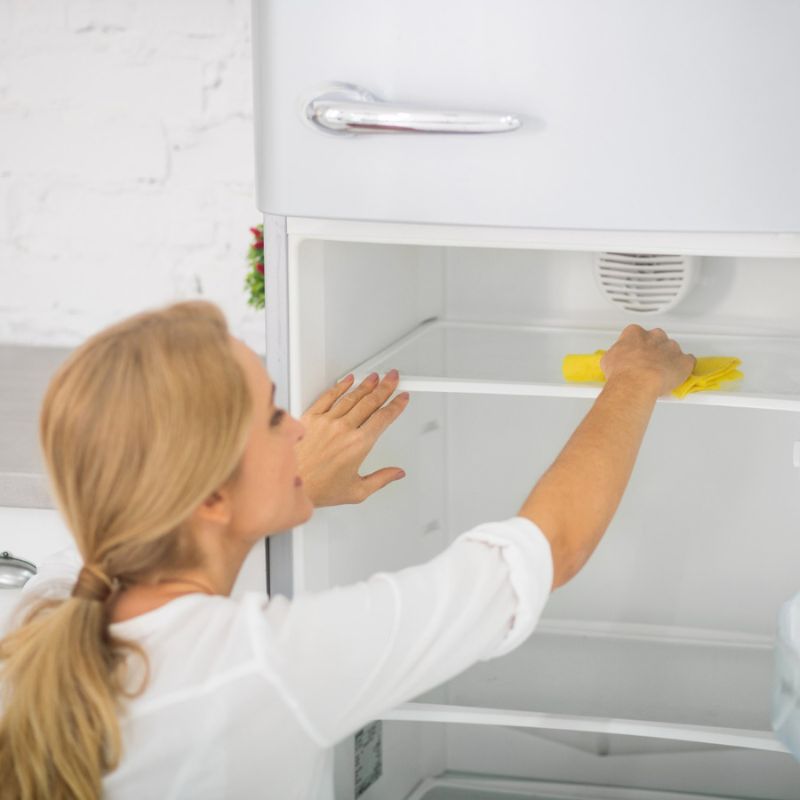
A person is cleaning the interior of an empty refrigerator with a yellow cloth in a kitchen.

Fridge and Freezer Clean-Out

Assess what you have on hand, start by taking stock of what is currently in your refrigerator and freezer.

Read all the labels for high sugar content and unnecessary additives, and prioritise whole, minimally processed foods instead. And remember, with fridge or freezer clean-up, you’re dependent on garbage collection day.

When cleaning vegetable crisper trays weekly, ensure they are clean and dry. Clear all ventilation holes. Check the deep freezer for defrosting needs and the condition of door seals.

I’ve found a helpful tip for cleaning the inside of the refrigerator: add a few drops of pure vanilla essence to a clean damp cloth for the final wipe. Not only does this leave your fridge smelling fresh, but the vanilla essence also has antimicrobial properties, helping to keep it clean and hygienic.

For fridge or freezer items, use them up, give them away, or discard. Replace them with healthier alternatives.

Refrigerator and Freezer Purge

  • Throw-Away Expired Food – Remove expired or unhealthy items like sugary snacks, processed foods high in fats, and foods containing artificial additives.
  • Look for Jars – Look for small jars, tall jars, and jars or sauce bottles tucked right up the back, they’ve probably been there a long time. Throw them out!
  • Freezer-Burned Foods – Look for “freezer burned” foods, i.e; any foods that may have become loose from their packaging, throw them out.
  • Soda Drinks – Soda or fizzy drinks, fruit drinks, energy drinks, sweetened commercial tea and any sugar-laden drinks.
  • Too Much Dairy – Full-fat cow’s milk, cheese, cream cheese and/or full-fat yoghurt
  • Fake Cheese – Processed cheese spreads and slices, and processed meat spreads.
  • Margarine: with trans fats, full-fat mayonnaise. Throw these items.
  • Ketchup and Sweet Sauces: High-sugar condiments, sweet chilli sauce, sweet soy sauce, sweet mustards.
  • Fatty Meat: Fatty minced beef, cuts of beef with visible streaks or margins of fat.
  • Pre-Made Pastry: Commercially made pastry, croissants, pies, donuts, etc.
  • Processed Meats: Fatty pork, salami, processed meats, ham, pastrami, all bacon and sausages.
  • Ice-Cream: (from cow’s milk) as well as high-sugar sorbets and high-sugar fruit ice blocks.
  • Frozen Pre-Made Meals: Frozen TV dinners, frozen desserts, pies and frozen side dishes.
A pantry shelf containing various food items, including instant noodles, oatmeal, canned goods, and a small basket holding snack packets.

Pantry Clean-Out

In our previous discussion, we emphasized the importance of cleaning the fridge and freezer. Yet, the pantry, where we store all our foods and snacks, should not be overlooked. Tidying up the pantry ensures cleanliness throughout our food storage areas and replenishes them with healthier options.

A good clean-up lets us evaluate and get rid of highly-processed, out-of-date, or harmful food and snack products. We can remove items with unwanted ingredients like high sugar, high salt, or trans-fatty acids.This allows us to make a lot more room for nutrient-dense foods that fuel our body and improve our general mental, physical and emotional health.

We can create a base for amazingly healthy meals by restocking our cupboard with nutritious options. Include whole grains like brown rice and quinoa, a range of beans and legumes, various nuts and seeds, and whole-grain pasta. These meals, made from these ingredients, support healthy processes and promote feelings of satiety and sustained energy throughout our day. They are high in fiber, vitamins, minerals, and many vital elements.

Additionally, maintainance of a well-stocked pantry with items like beans, tomatoes, dried fruits, nuts, and fish in water or olive oil can enhance meal preparation. These ingredients offer versatility, allowing you to create quick and nutritious meals. Many of these ingredients also serve as an excellent emergency food supply for those interested in ‘prepping’.

Maintaining a well-organized pantry streamlines meal planning and preparation, making healthier choices easier and reducing impulsive purchases. This mindful approach to pantry management aligns with your health goals, fosters a better relationship with food, and encourages healthier eating habits.

As you clear your pantry shelves, let’s place the following in the trash:

Pantry Purge

  • Throw-Out Any Obvious Trash First: Look for any food that has gone bad or that is dry, rancid, or rotten. Look for packets of loose foods, or any bits of pasta, rice, sugar, or dried bits and pieces of foods. Get rid of all the obvious rubbish first and be tough, throw out any foods you feel are no good. Remember, our gut wants a fresh new start.
  • Make And Evaluate 3 Piles: Take everything down from the pantry shelves. Have 3 piles – the “keep” pile, the “trash” pile, the “eat-now or give-away-now” pile.
  • Loose Foods: Look for loose-lying foods that may be lurking in the corners right at the back of the pantry. Check the floor and deepest recesses of your food pantry for the presence (now or in the past) of any ants, cockroaches or mice. Make sure you keep everything very clean and free of any potential pests or vermin.
  • Bottled Oils Need The Sniff Test: Carefully check cooking oils by giving them the “sniff test” and throwing anything away that smells bad, rancid or stale.
  • Throw-Away Processed Snack Foods: Low or “no-calorie” processed snacks or munchies that contain no calories. Throw them away. Eat wholegrain crackers, fresh fruits and vegetables, fresh nuts and seeds instead of high-sugar, high-sodium, high-fat, low-fibre chips and crackers for long-term snacking.
  • Bread Needs The Sniff-Test: Give breads the “sniff test”, throwing anything away that smells very yeasty, bad or stale. Seen any coloured spots or mould?
  • Throw-Away Processed Flour Products: Any processed foods, including biscuits, crackers, cookies, baking mixes, store-bought cakes, and the like, should be thrown away if hydrogenated or partially hydrogenated oil or saturated fat ranks among the top-four ingredients. Same goes with high-sugar processed foods, baked goods, breads, pastas, and cereals made with refined grains and/or a lot of sugar. We’re going to replace these with wholegrain, low-sugar substitutes.
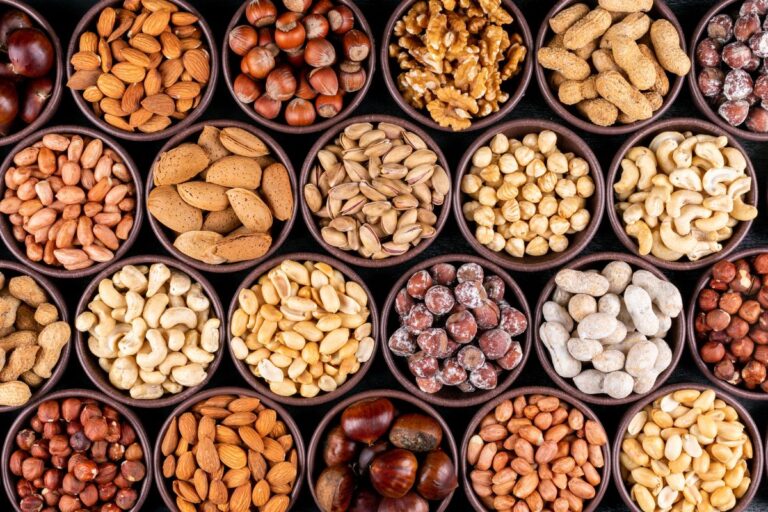
  • Check Nuts and Seeds: Checking any fresh nuts and seeds for freshness. Do any smell bad or taste stale or funny? Throw away any roasted or salted nuts, or those coated in sugar or caramel. Don’t but roasted or salted nuts – especially peanuts.
  • Ingredients You No Longer Use – You may have planned a great meal six months or even a year ago with the best intentions, but it never happened. If you won’t be using that coconut cream, shrimp paste, rice noodles or oyster sauce, it’s time to find these foods a new home.
Hand reaching for a jar of rice from a cabinet shelf with various jars containing grains, legumes, and dried goods.

Step 2 – Restock and Organise

I like to think of a refrigerator and pantry as kind of whole-food stores, full of nutrient-dense foods that promote our family’s health and wellbeing. See our Healthy Food Shopping Guide.

Focus On Whole Foods

Choose foods that are minimally processed and closest to their fresh, raw and natural state. And always select whole grains over refined grains, and fresh or frozen fruits and vegetables instead of canned fruit and vegetables. Especially those with added sugars or syrups.

Read Labels

Pay attention to nutrition labels and ingredients lists. Choose products with shorter ingredient lists and avoid those with artificial additives, hydrogenated fats, and high levels of added sugars. Only buy small amounts of food, don’t be tempted to buy and store large amounts, you’ll keep your food fresher that way. Look at expiry dates of fresh foods – always select those with the longest expiry dates (you’ll find them at the back of the shelf in the supermarket, with the older stock up front).

Storage Organisation

Arrange your pantry so that the healthier choices are most accessible. Keep whole grains, beans, and nuts in clear containers or labeled jars for quick and visible access. Store potatoes, onions, and fresh garlic in cool, dark and well-ventilated places. Check regularly for freshness.

I like to store tomatoes, bananas, and other fruits on the bench-top or in the pantry to keep them at room temperature. As a result, they seem to have more taste and hold a better texture this way, especially when used to make meals. The most perishable items need to be closest at hand in your pantry, while the least perishable can be stored higher up.

For emergency supplies, it’s smart to have a stash of items such as candles, ice packs, extra bottled water, and frozen meals. This is in case of power outages or unexpected natural events.Keep a special area in your pantry and freezer for emergency supplies.

Refrigerated or Frozen Foods Best Reduced

If we want to optimise our health, it’s good to avoid or limit particular refrigerated or frozen food choices that tend to be high in cheap and bad fats, added sugars, sodium, and several kinds of cheap artificial additives.

Here are some items I highly recommend you consider avoiding or minimising:

  • All Processed Meats: Delicatessen meats, bacon, ham, sausages and hot dogs are often high in salt, saturated fats, and preservatives like nitrates and nitrites, which can increase our risk of heart disease and many kinds of cancer. (Farvid et al., 2021)
  • Dairy Products Containing Lots Of Sugar: Flavoured yogurts, sweetened condensed milk, flavoured milk alternatives that contain high amounts of added sugars. Choose plain Greek yogurt and unsweetened milk alternatives like oat or almond milk (check labels carefully) to reduce sugar intake.
  • Frozen Meals (Dinners and Entrees): Many commercially-made frozen dinners are high in salt and sugar and may contain unhealthy fats and many additives. These can contribute to many health problems. Instead, prepare your own healthy home-made meals and freeze them in portions for future convenience.
  • Frozen Snacks and Pizza: Frozen appetisers, pizzas, and snacks like mozzarella sticks and pizza rolls often contain high very-levels of saturated fats, salt, sugar and other refined carbs. It is much better to make home-made versions from higher-quality whole ingredients without the preservatives.
  • Frozen Desserts and Ice Cream: Ice cream and countless frozen desserts are typically very-high in refined sugars, unhealthy fats, and loaded in calories. You are better to choose frozen yogurt or coconut ice cream without the added sugar, or make your own healthier versions at home.
  • Pre-Packaged Desserts and Baked Goods: Refrigerated or frozen cakes, pies, pastries, and desserts often contain trans fats, excessive sugars, and artificial additives. Limit these items and opt for homemade treats with healthier ingredients.
  • Frozen Breakfast Items: Some frozen waffles, pancakes, and breakfast sandwiches can be high in sodium, added sugars, and unhealthy fats. Choose whole-grain options with minimal added sugars and healthier fat profiles.
  • Frozen Fried Foods: Foods that have been deep-fried and then frozen, like frozen fried chicken, frozen fries, and other cooked high carb or fat food items. Many are high in unhealthy fats, sodium, and sugars. It is better to bake or air-fry these food items instead of deep-frying to reduce their fat intake.
  • High-Salt Convenience Foods: Frozen meals, soups, and sauces can be convenient but may contain excessive salt levels. Look for lower sodium options or prepare homemade versions with fresh herbs and spices for flavour. High sodium foods deplete lactic-acid loving beneficial bacteria (Hamad et al., 2022)
  • Frozen Veges and Fruits Highly-Processed: Some frozen veges and fruits come with added sauces, sugars, or syrups that increase our calorie and sugar intake. Look for reputable well-known brands and always buy plain frozen vegetables and fruits without added ingredients.

Restocking your pantry with nutritious foods can set the stage for healthier eating habits. Here are several tips to guide you:

Following these suggestions makes making healthy choices effortless, especially when we are mindful of our purchases every time we shop for food.

Begin with a plan. Before going to the grocery store, make a list of nutritious staples for your diet. Include whole grains like rolled oats, quinoa, and brown rice; canned beans and legumes such as chickpeas and black beans; nuts and seeds like Brazil nuts, almonds, and chia seeds; and healthy oils like olive oil and sesame oil. This list will guide you, keeping you focused and helping you avoid unhealthy impulse buys.

Pantry Re-Stock

  • Canned Fish: Anchovies, salmon, tuna packed in spring water.
  • Fresh Nuts: unsalted, unflavoured almonds, walnuts, Brazil nuts, pecans etc. (store left-overs in the freezer to keep them fresh for longer periods)
  • Rice: Keep a stock of a few types of rice such as jasmine rice, brown basmati rice, red rice, brown rice and wild rice.
  • Whole Grains: Pearl barley, burghul (cracked wheat), oats, rye.
  • Pseudo-Grains: (gluten-free) quinoa, amaranth and millet. Some store quinoa and amaranth in a deep freezer to maintain freshness)
  • Rolled Oats: Rolled oats or steel-cut oats, muesli blends that include fresh nuts, buckwheat groats, rolled oats, seeds, and dried fruits.
  • Canned Vegetables and Fruits: Let’s buy fresh vegetables in season instead. Some like to keep a few cans for emergency food supply. If selecting canned vegetables and fruits, choose foods packed in water or their own juices without added sugars or excess salt.
  • Canned Legumes: Borlotti beans, red kidney beans and haricot beans, lentils and chickpeas.
  • Canned Coconut: Coconut oil, coconut milk, coconut oil.
  • Canned Tomato: whole tomatoes, chopped tomatoes, tomato paste and tomato sauce (lower-sodium versions are best)
  • Oils and Fats: Extra-virgin olive oil, sunflower oil, sesame oil, coconut oil.
  • Vinegars: Balsamic vinegar, apple-cider vinegar, red wine vinegar and brown rice vinegar can all be used in flavoursome dressings and cooking
  • Healthy Snack Options: Have healthier snack choices readily available, such as whole-grain crackers, rice cakes, unsalted nuts, and dried fruits without added sugars. These options satisfy cravings while providing nutrients.
  • Herbs and Spices: Enhance flavour without extra calories or sodium by stocking up on a variety of herbs, spices, and seasonings. This allows you to create delicious meals without relying on excessive salt or unhealthy sauces. See our Healthy Food Shopping Guide for the full list of herbs and spices.
  • Dried Fruits: apricots, plums, apples, pears, bananas, persimmon, including single-serve boxes of sultanas.
  • Drinks: Finally, don’t forget the beverages. It’s good to keep a stock of a few herbal teas, sparkling water, and un-sweetened dairy-free milk options like almond milk, oat milk, soy milk or coconut water for variety.

Refrigerator and Freezer Re-Stock

You’ll be surprised how much room you’ve created after your cold-storage big clean-up. If you completed a proper clean-up of your fridge and freezer, did you notice how much stuff was thrown-out – and how much extra-space you’ve been left with? Re-stocking our refrigerator and deep-freezer after cleaning them out can help us more efficiently maintain a well-organised & continuous supply of fresh foods. Regularly review and organise your freezer food-storage spaces to maintain freshness and minimise waste.

Here’s three things first:

  • Create Zones:
  • Designate specific areas in your refrigerator for different food categories, such as fruits, vegetables, cheeses, yogurt, eggs, meat or fish and frozen meals. This makes it a lot easier to find what you are looking for and greatly reduces food waste.
  • Prepared Meals In Advance:
  • Consider preparing and freezing some of your favourite meals in advance, such as casseroles, stews, or soups. These can be easily re-heated for quick and healthy meals during your busy times. Also consider preparing some vegetables or meats (marinate) ahead of time.
  • Label and Date:
  • This is something a lot of us forget to do – to clearly date and label what we are about to place in the deep freezer. It makes sense to use labels and dates to keep track of when foods were stored in the freezer. Rotate older items to the front for use first to minimise food waste. Use good quality freezer containers.

Regularly review and organise your food storage spaces to maintain freshness and minimise waste:

Restocking your refrigerator and deep freezer after cleaning them out can help you maintain a well-organized and nutritious food supply. Here are several tips to guide you:

  • Fresh Vegetables: Fill your refrigerator with a variety of fresh fruits and vegetables. Choose seasonal options for better flavour and affordability. Wash and prep them for easy meal additions. Seasonal vegetables such as spinach, broccoli, cauliflower, Asian greens, capsicums (sweet peppers), cucumber, lettuce, zucchini (courgettes), eggplants, mushroom, radishes, snow peas, peas, cabbage, carrots, green beans, asparagus or tomatoes.
  • Frozen Vegetables: Save money and buy frozen vegetables when you see them at a good price. Frozen fruit and vegetables can be conveniently added to many kinds of meals and smoothies. Fresh is always the better option, but frozen produce retain their nutritional value quite well. Some of the best frozen vegetable choices include plain frozen mixed vegetables, or peas, Brussels sprouts, spinach, broccoli, green beans, zucchini, carrots, and corn.
  • Fresh Fruits: Seasonal fruits such as bananas, all kinds of berries, cherries, citrus like oranges, mandarins, pears, apples, grapefruit, grapes, kiwifruit, plums, peaches and watermelon or other melons. Some people like to keep their fruit in the fridge, others (like me) prefer fruit at room temperature. Best fruit to keep cool are the berries
  • Frozen Fruits: Many fruits freeze well, but most loose their texture, and are therefore best added to foods and smoothies. The best fruits in my opinion are the berries, especially raspberries and blue berries. Buy bags of frozen unsweetened fruits such as blueberries, cherries, peaches, raspberries or strawberries
  • Fresh Convenience Snack Foods: Healthy snack foods will be consumed more if they are conveniently available in your kitchen. Convenient healthy- snacks can be fruits and vegetables that have been pre-sliced and kept refrigerated, like chunks of carrots, pineapple or salad bar fruit; shredded cabbage; pre-chopped broccoli and/or cauliflower florets; red capsicum slices from the salad bar; boxes of cherry tomatoes; baby carrots; salad greens and green beans.
  • Herbs and Spices: Curry and chilli pastes (low-sugar and fat), jars of finely chopped garlic, ginger and horseradish.
  • Protein: Keep your refrigerator stocked with lean protein meats such as chicken breast, turkey, and fish. These can be safely stored in the refrigerator for a few days before cooking or freezing for longer storage.
  • Frozen Proteins: It’s good to keep some frozen protein in stock like lean beef, fish fillets, and frozen chicken. These food items are great for emergencies, and can be thawed and used as required, reducing the frequency of grocery store trips. Be sure to add the date so you are aware of the “best used by” dates.
  • Low-Fat: Low-fat mayonnaise, low-fat milk, low-fat cheese, low-fat yogurt, light cream cheese and cottage cheese. Goat’s milk or cheese is a good option.
  • Dijon Mustard: Select no-sugar options.
  • Fermented Foods: Greek yogurt, sauerkraut, kefir, miso paste, tempeh.
  • Soy: Soy milk, fermented soy (tempeh), silken or hard tofu.
  • Eggs: Some people keep eggs at room temperature, others keep them in the refrigerator, it’s up to you. Eggs are a most versatile and nutritious source of complete protein. They are great for a quick breakfast, snack, or as an ingredient in many kinds of recipes.
  • Dairy Alternatives and Dairy: Think of Greek yogurt, almond, soy or oat milk, and aged cheeses like parmesan. Some may prefer dairy alternatives, such as almond, oat, rice or soy milk.
  • Condiments and Sauces: Check the expiration dates of condiments and sauces that you buy, make sure you have plenty of use-by date left. Always opt for healthier options with lower sodium and sugar content when re-stocking.
Man with glasses smiling outdoors.

Eric Bakker N.D.

Greetings! I am a naturopathic physician from New Zealand. Although I’ve retired from clinical practice since 2019, I remain passionate about helping people improve their lives. You’ll find I’m active online with a focus on natural health and wellbeing education through my Facebook page and YouTube channel, including this website.

Similar Posts

Leave a Reply

Your email address will not be published. Required fields are marked *