

How Do You Get A Vaginal Yeast Infection?
Vaginal yeast infections are a common concern for many women, but understanding how they occur is key to prevention and treatment. In this post, we’ll explore the various factors that contribute to yeast infections, from everyday habits to underlying health conditions, helping you take the necessary steps to maintain a healthy balance and avoid discomfort.
Candida albicans typically resides in the vaginal mucous membranes of up to 20 percent of women. However, in most cases, it doesn’t cause any issues because the small amounts of yeast are kept in balance by other microorganisms. But certain factors, such as pregnancy or the use of specific medications like antibiotics, oral contraceptives, or steroids, can disrupt this balance, leading to an overgrowth of yeast.
It’s important to note that yeast infections aren’t always caused by poor diet or lifestyle choices. Some women are genetically predisposed to developing yeast infections, with gene mutations that may affect the immune system’s ability to combat Candida. This can lead to recurrent infections that are challenging to manage (Smeekens 2013).
Medical conditions that compromise the immune system, such as diabetes or autoimmune diseases, also increase the likelihood of vaginal yeast infections. Additionally, certain medications, including antibiotics, steroids, hormone therapy, radiation, and chemotherapy, can raise the risk.
Other contributing factors include stress, the use of sanitary pads or non-breathable underwear, wearing synthetic or tight clothing, sweating, and bathing with soap. These factors create an environment conducive to yeast growth, leading to symptoms like pain and inflammation.
Moreover, yeast can be introduced into the vagina from external sources, such as sexual intercourse with a partner who has a yeast infection on the glans (head) of his penis, further increasing the risk of developing a yeast infection.
Top 10 Causes Of Vaginal Yeast Infections
Here is a list of the top 10 reasons why women have vaginal yeast infections, out of the numerous probable causes of vaginal infections and inflammations.
Now let’s expand on each of these ten points:
1. High Intake Of Refined Carbohydrates

Excessive consumption of sugar, soda, sweets, alcohol (beer, wine, and spirits), white bread, cookies, take-away, and other convenience foods high in sugar are among the most common dietary causes of Candida overgrowth. Diets rich in carbohydrates, especially refined and processed ones, artificial sugars, deep-fried foods, and high-energy meals, can lead to a host of health problems, including vaginal yeast infections.
Studies suggest that diet-induced dysbiosis, an imbalance in gut bacteria, may contribute not only to vaginal yeast infections but also to inappropriate inflammatory responses during chronic diseases. This imbalance creates an environment where harmful bacteria and yeast, like Candida, can thrive, disrupting the natural balance of the vaginal flora (Brown 2012).
Candida thrives on carbohydrates, using glucose as a primary fuel source for growth and energy. Just as humans derive energy from carbs, Candida uses them to proliferate. This is why diets high in refined carbohydrates can exacerbate Candida-related issues.
Interestingly, Candida albicans and Candida glabrata, the two most common species responsible for yeast infections, can adapt to both low and high glucose environments, making them highly effective pathogens. This adaptability explains why a person doesn’t necessarily need to have a “high sugar diet” to develop a Candida problem (Van Ende 2019).
In my clinical experience, many patients with vaginal yeast infections lead busy, high-stress lifestyles, often involving convenience foods, numerous cups of coffee, and alcohol at the end of a long day. These factors, combined with an imbalanced diet, can create the perfect storm for Candida overgrowth.
Refined Carbs Increase Risk of Vaginal Yeast Infection and B.V.
Candida isn’t the only infection associated with a high sugar diet. A diet rich in ultra-processed foods, refined carbohydrates, sugar, and fats is also linked to an increased risk of bacterial vaginosis (BV) (Neggers 2007).
Studies have shown that gut dysbiosis can contribute to recurring BV, as imbalanced bowel bacteria may migrate from the anus to the vagina, leading to infections.
Harmful bacteria thrive on sugars, using them to outnumber beneficial bacteria and thereby weakening immune function. This imbalance compromises the body’s natural immune defences, making it more susceptible to both bacterial and yeast infections.
Research indicates that Candida uses carbohydrates not only as a primary energy source but also to defend itself against the immune system. The presence of glucose enhances Candida’s infectious potential (Hostetter 1990) by undermining immune responses and promoting anti-fungal resistance (Mandal 2014).
High dietary glucose levels can impair immune function and increase pro-inflammatory cytokines, leading to chronic disease (Shomali 2021).
Given that sugar exacerbates Candida and bacterial infections, it’s crucial to minimise sugar and sweet foods in your diet. Following dietary advice to reduce sugar intake can help break the chronic Candida cycle and support a healthier immune system.
Key Take-Aways
2. Pregnancy and Childbirth

During pregnancy, elevated oestrogen levels can disrupt the delicate hormonal balance, increasing the risk of vaginal yeast infections. This hormonal fluctuation is similar to the impact of birth control pills, making yeast infections more frequent among women who use them.
Studies indicate that between 20 and 30 percent of pregnant women will experience at least one vaginal yeast infection. (Aguin 2015)
Estrogen can interact with protein factors on the surface of vaginal cells, creating an environment more conducive to yeast invasion. Recent research suggests that oestrogen may also promote Candida’s immune invasion. (Kumwenda 2022)
In most cases, doctors will not treat yeast infections in pregnant women unless they present chronic symptoms, as non-chronic infections typically do not affect the developing baby.
However, chronic infections can worsen over time, leading to increased inflammation, redness, and itching. We will soon explore effective home treatments that are safe for use during pregnancy.
Key Take-Aways
3. High Oestrogen Levels and Menstrual Cycle Irregularity

Throughout the menstrual cycle, hormone levels naturally fluctuate, with oestrogen peaking during ovulation and then gradually declining before menstruation. Progesterone rises as the period approaches, while both progesterone and oestrogen are at their lowest during menstruation.
High oestrogen levels increase the risk of genital thrush caused by Candida albicans in women. Studies show that oestrogen-grown Candida albicans is not efficiently targeted and eliminated by white blood cells. Decreased immune recognition may lead to Candida albicans overgrowth and infection. (Kumwenda et al., 2022)
These hormonal changes can disrupt the balance of vaginal flora, potentially leading to yeast infections. This risk may be heightened if a woman’s gut flora is also out of balance. Research indicates that more than half of women who experience imbalances in vaginal yeast and bacteria find that it begins around their menstrual period (Keane 1997).
Hormonal fluctuations can contribute to Candida overgrowth, with estrogen in particular playing a significant role (Salinez-Munoz 2018). Studies show that estrogen can support and sustain Candida infection by reducing the inhibitory activity of epithelial cells against Candida. An irregular menstrual cycle, especially in the week before menstruation, can further increase the likelihood of a yeast infection (Kozel 2000).
Caution With Sanitary Products
The sensitive skin of the vagina or vulva can become irritated or damaged by sanitary products used during menstruation, which may increase the risk of infections such as vaginal thrush. Frequent washing or using commercially-made soaps during your period can also disturb the delicate balance of yeast and bacteria in the vagina, potentially leading to thrush.
The vagina is self-cleaning, and over-washing or using harsh products can wash away beneficial microflora that help prevent infections. Maintaining the right balance of bacteria and yeast is essential; beneficial bacteria keep yeast levels in check, and yeast helps regulate bacterial growth.

The vagina’s pH, which is naturally acidic, plays a role in preventing infections. However, menstrual blood has a pH of around 7.4, which can make the vaginal environment more alkaline and promote yeast overgrowth.
Additionally, certain contraceptive methods such as vaginal sponges, diaphragms, and intrauterine devices (IUDs) may increase the risk of yeast infections. While spermicides generally do not cause yeast infections, they can cause irritation in some women.
Earlier Or Later Periods
If your period is significantly late—more than a few days—it’s important to use caution and, if you’re sexually active, take a pregnancy test. If you have consistently irregular periods or concerns about your menstrual cycle, consult with your healthcare professional, such as your doctor, naturopath, or nurse. They can perform blood or salivary hormone tests to check for imbalances.
Irregular periods can sometimes be linked to antibiotic use, though this is often due to other factors such as the stress of illness.
Vaginal yeast infections that appear after menstruation may be influenced by hormonal changes, behavioral adjustments (such as washing or using sanitary products), and pH changes caused by menstrual blood. These factors can disrupt the vagina’s normal balance and increase the risk of infection.
Key Take-Aways
4. Diabetes

People with diabetes are at a higher risk for vaginal fungal infections, and managing these infections can be more challenging due to their condition. It’s crucial for individuals with diabetes to recognize the symptoms of fungal infections early and seek prompt treatment to prevent serious complications.
During my research for this website, I discovered numerous studies linking vaginal yeast infections with diabetes. Excess glucose in the body creates a favourable environment for yeast infections. Diabetics often excrete more sugar (glucose) through their urinary system, which increases their susceptibility to yeast infections.
Consequently, vaginal yeast infections are more prevalent in diabetic patients compared to those with normal blood glucose levels.(Mohammed 2021)
Diabetes Alters the Immune Response
Diabetes significantly alters the immune response, impairing the ability of immune cells to combat pathogens effectively. This weakened immune system increases the risk of various infections, including fungal and bacterial infections like vaginal and penile thrush.
High blood sugar levels contribute to yeast infections by providing an abundant source of glucose for Candida growth. Elevated sugar levels in urine, sweat, and saliva can create an environment conducive to yeast proliferation, leading to thrush in areas such as the mouth, skin, and groin.
Research highlights that Type 1 diabetes is particularly associated with a higher frequency of vaginal yeast infections compared to Type 2 diabetes. A study found that women with Type 1 diabetes experienced vaginal yeast infections at a rate three times higher than those with Type 2 diabetes (Mohammed 2021).
Additionally, Type 1 diabetics are notably more prone to severe Candida infections, including bone and joint infections, sepsis, and cellulitis (Carey 2018).
Maintaining a healthy weight is crucial for individuals with diabetes, as weight loss can improve various health parameters, including blood pressure, blood sugar levels, and cholesterol.
Key Take-Aways
5. A Stressful Life

Stress can significantly increase the likelihood of developing a vaginal yeast infection. This is because stress impairs the immune system, making the body more susceptible to infections, including bacterial and yeast infections.
Stress affects hormones like cortisol, which play a crucial role in regulating the immune system’s response. High levels of stress or ongoing, low-grade stress can disrupt the body’s stress mechanisms, creating an environment where yeast infections can proliferate uncontrollably. This makes yeast infections more persistent, difficult to treat, and prone to recurrence (Nobile 2015).
A study involving 62 women, of whom 33 had chronic and recurring vaginal thrush and 28 had no thrush, examined the impact of perceived stress.
Participants completed a questionnaire about their stress levels at home and work, highlighting the role of stress in the development and persistence of yeast infections.
The findings support prior research indicating lower cortisol levels in women with recurring vaginal infection. This suggests that chronic stress may play a significant role in the development and persistence of recurrent yeast infections(Ehrström et al., 2007).
Burn-Out and Poor Work-Life Balance
More women with yeast infections than the healthy group reported signs of burnout, symptoms of stress, poor work/life balance, and worrying factors at work.
In addition, there were blunted early-morning cortisol levels, and lower overall levels of studies have found that morning rise salivary cortisol level is blunted in women with recurrent vulvovaginal candida, which indicates signs of chronic stress. (Ehrstom 2007).

The higher incidence of vaginal infections in women in this study compared with control subjects may reflect poor immune function, which can occur due to chronic stress. I’ve certainly noticed a correlation between adrenal fatigue, burn-out, and cases of chronic yeast infection in our clinic. Ehrstrom has noted burn-out in several of her studies into vaginal yeast infection and stress.
By lowering your immune system, adrenal fatigue can help promote a Candida overgrowth. However, tackling your Candida infection itself might worsen adrenal exhaustion. Your adrenal glands and HPA (stress) axis may become more stressed as your body works to eliminate the harmful substances generated during the various stages of treatment.
Key Take-Aways
6. Prescription Medications

Many pharmaceutical drugs, including certain prescribed and over-the-counter (OTC) medications, can have uncomfortable and unpleasant side effects. Among these, some drugs are more frequently linked to causing yeast infections.
Antibiotics, birth control pills, and steroidal medications, in particular, are commonly associated with increasing the risk of developing Candida yeast infections.
Recognising whether a yeast infection may be a side effect of a medication can help in taking preventive measures and addressing the issue promptly.
Birth Control Pills
Birth control pills, particularly those with higher doses of oestrogen, are known to increase a woman’s susceptibility to vaginal yeast infections. This is due to the way elevated or fluctuating oestrogen levels can disrupt the natural balance of yeast and bacteria in the vaginal environment.
While newer birth control methods have been associated with a reduced risk of yeast infections compared to older, higher-dose formulations, the risk is not entirely eliminated.
Interestingly, low-dose birth control pills have also been linked to a higher incidence of vaginal yeast infections. Women using these pills, especially those with a history of recurrent vulvovaginal candidiasis, may find that their risk of infection increases. Studies suggest that those with recurrent infections are more likely to have used low-dose oral contraceptives and to have had a higher frequency of intercourse in the months prior. (Spinillo 1995)
If you are experiencing signs of a vaginal yeast infection while on birth control, it is important to consult with your gynecologist or primary care physician. They can evaluate your situation and potentially prescribe an alternative contraceptive method that may reduce the risk of further infections. It is crucial not to stop taking your birth control pill without professional guidance, as your healthcare provider can offer appropriate advice and ensure your contraceptive needs are still met while addressing the issue of recurrent infections.

Antibiotics
When treating infections such as UTIs, sinus infections, or strep throat, antibiotics are commonly prescribed. While these medications are effective against harmful bacteria, they can also disrupt the balance of beneficial bacteria in your body. This disruption can lead to an overgrowth of yeast, resulting in vaginal yeast infections.
Antibiotics are known to cause yeast infections because they not only target pathogenic bacteria but also destroy the good bacteria that help maintain a healthy balance in your body.
Specifically, antibiotics can eliminate Lactobacillus bacteria, which are crucial for keeping the vaginal environment acidic and suppressing yeast growth.
Lactobacillus bacteria produce antimicrobial compounds that defend against infections and maintain a balanced microbiome (Lievin-Le Moal 2014). Without these beneficial bacteria, the vaginal pH can become more alkaline, creating an environment where yeast can thrive.
If you suspect that an antibiotic might be contributing to your yeast infection, consult with your healthcare provider. They can help determine if your antibiotic is the cause and discuss alternative treatments or preventive measures. In addition, to support your gut health and replenish beneficial bacteria, consider taking a high-quality probiotic supplement containing various strains of Lactobacillus.
Incorporating yogurt with live, active cultures into your diet can also be beneficial. For those seeking a specific probiotic recommendation, Yeastrix is a brand that I often suggest, which can be found at www.yeastrix.com.
Steroidal Drugs
Steroid drugs can significantly increase the risk of developing a yeast infection. This is because steroids, while effective in reducing inflammation for conditions such as lupus, inflammatory bowel disease (IBD), Sjogren’s syndrome, and Hashimoto’s thyroiditis, also suppress the body’s natural immune defenses. This suppression can leave individuals more vulnerable to infections, including those caused by Candida yeast.
Corticosteroid use has been specifically linked to an increased incidence of vaginal candidiasis and can also contribute to resistance against common antifungal medications, particularly the azole group, such as fluconazole (Farhan 2019).
Research indicates that this connection between steroid use and Candida infections is due to the way steroids weaken immune responses, allowing yeast to proliferate more easily.
If you are using inhaled steroids for asthma or oral steroids like prednisolone and are experiencing symptoms of a fungal infection, including Candida, it’s important to consult with your doctor. They can offer guidance and alternative treatments to manage both your primary condition and the risk of fungal infections.
Key Take-Aways
7. Vitamin and Mineral Deficiencies
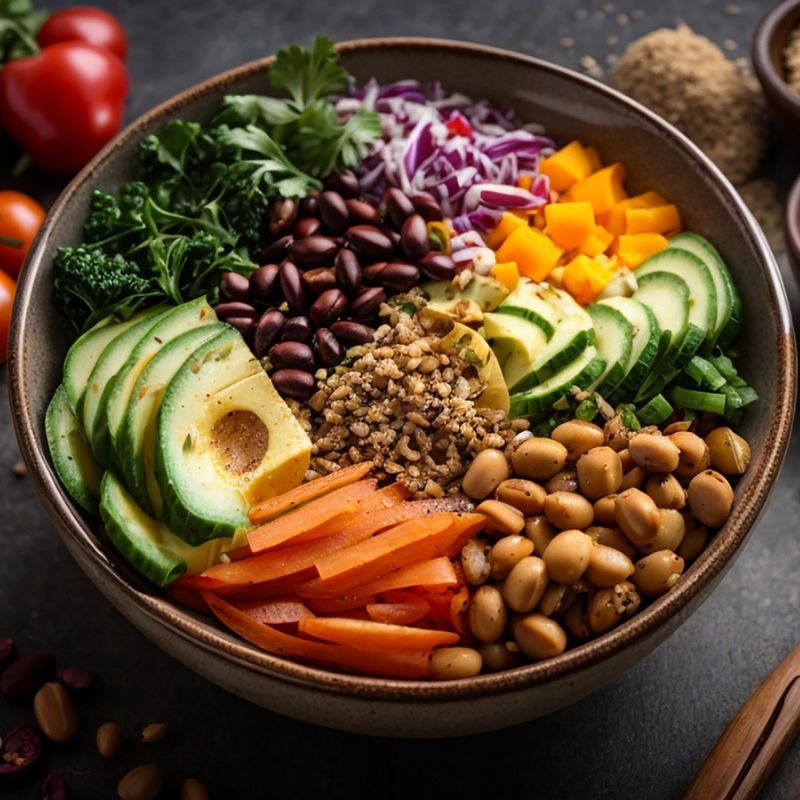
A deficiency in vitamins and trace minerals can indirectly increase the risk of developing a yeast infection. While these deficiencies don’t directly cause yeast infections, they can impair immune function, making the body more susceptible to Candida infections.
Vitamins and minerals are vital for maintaining vaginal health. For example, vitamin A is crucial for keeping the vaginal mucous membranes healthy and helps boost immune function to fend off infections.
Vitamin C, known for its antioxidant properties, supports immune system function and protects cells from damage. It can be found in citrus fruits, strawberries, kale, broccoli, and Brussels sprouts.
Similarly, vitamin E, another antioxidant, plays a role in maintaining the health of mucous membranes and can be sourced from vegetable oils, nuts, seeds, and leafy green vegetables.
Maintaining a diet rich in these nutrients is essential for supporting overall health and preventing infections. However, diets high in refined carbohydrates and junk foods often lack these critical nutrients. Processed foods are typically high in calories but low in essential vitamins and minerals, leading to nutritional deficiencies.
Research supports the link between poor diet and increased susceptibility to infections. For instance, deficiencies in vitamins A, C, and D can lead to conditions like night blindness, scurvy, and rickets, respectively. Data from the National Health and Nutrition Examination Survey (NHANES) highlights that many people fall short of their recommended vitamin intake, which can weaken the immune system and hinder the body’s ability to repair itself (Reider et al., 2020).
NHANES data revealed that almost 90% of the US adult population takes less than the estimated average requirement for vitamins D and E, 51% for vitamin A, 43% for vitamin C, 61% for magnesium, and 49% for calcium. (Kiani 2022)
Incorporating a variety of fresh fruits, vegetables, nuts, and seeds into your diet can help ensure you meet your nutritional needs. If dietary changes are insufficient, considering a high-quality multivitamin supplement may be beneficial. Research, including some laboratory studies, suggests that B vitamins and vitamin D might have antifungal properties, indicating their potential role in preventing fungal infections.
Overall, maintaining proper nutrition is crucial for a robust immune system and effective infection prevention. Let’s look at a few studies available online:
Vitamin B
A study involving mice with vaginal candidiasis demonstrated the potential benefits of vitamin B complex supplements. Mice treated with a vitamin B complex supplement, alongside a topical cream, showed significantly greater improvements in their symptoms compared to those who did not receive the B vitamins. The research also indicated that the vitamin B complex enhanced the effectiveness of fluconazole, a commonly used antifungal medication, in treating vaginal cells (Sun 2017).
Despite these promising findings, the relationship between B vitamin deficiencies and the prevalence of Candida or other fungal infections in humans remains largely under-explored as of 2023. This highlights a potential area for further research to better understand how B vitamins might contribute to fungal infection prevention and treatment in people.
Vitamin D
Recent research underscores the potential role of vitamin D in reducing the risk of Candida infections. In a study involving children, those who consumed a yogurt drink supplemented with 300 IU of vitamin D alongside broad-spectrum antibiotics experienced a significantly lower incidence of Candida infections compared to those who drank the yogurt without vitamin D (Xie 2019).
This suggests that vitamin D, when combined with antifungal medications, might help mitigate the prevalence of fungal infections. The researchers noted that while vitamin D levels in both groups were low, they were still within the normal range, indicating a need to reassess the role of vitamin D in chronic health conditions.
Further evidence comes from an experimental study where Candida-infected mice treated with low doses of vitamin D showed reduced fungal burden and improved survival rates compared to untreated mice (Juan Lim 2015).
A review of the literature also suggests that vitamin D deficiency can impair immune function, thereby increasing susceptibility to infections, including fungal ones (Franca Gois 2017).
Although current research has limitations, it points towards a significant link between vitamin deficiencies and a compromised immune response, which may heighten the risk and severity of fungal infections.
Zinc
Zinc plays a crucial role in maintaining a healthy immune system and skin equilibrium, which is vital for infection prevention. Historically, mild zinc deficiency has been linked with recurrent vaginal candidiasis, suggesting that a lack of this essential mineral may increase susceptibility to such infections (Edman 1986)
Recent research has explored the benefits of zinc beyond traditional dietary intake. According to the American Uro-Gynaecology Society, using a zinc-containing vaginal gel has shown promise in reducing the frequency of recurrent vaginal infections.
In a study involving eight participants, five women who used a commercially available zinc-based vaginal gel did not experience infections within the first three months of treatment. Before the treatment, these women, who were premenopausal and not using any hormonal treatments, had an infection every three months on average.
Post-treatment, there was a notable 62% reduction in infections, with only three women experiencing one infection each (Levine 2022). This evidence suggests that zinc supplementation, particularly in topical forms, may offer a significant reduction in recurrent vaginal infections.
Key Take-Aways
Research indicates that ensuring optimal levels of these nutrients not only supports overall health but also plays a crucial role in reducing the risk and severity of fungal infections like Candida.
8. Chemicals

The delicate nature of vaginal tissue makes it particularly sensitive to various chemicals. Using vaginal sprays, deodorants, or colored and scented toilet paper can irritate the area and potentially weaken the immune system’s ability to fend off yeast and other infections.
Although chlorine is commonly added to drinking water for its disinfectant properties, recent studies indicate that its impact on gut flora and the immune system is minimal.
Chlorine in drinking water does not appear to destroy beneficial bacteria in the microflora, even in children (Tufts University 2022). The presence of chlorine in water supplies helps maintain public health by keeping the water free from harmful pathogens.
However, chlorine exposure in swimming pools can pose a different issue. Some women may experience vaginal problems due to the chlorine used in pool water.
Dr. Aruna Kalra, a gynaecologist and obstetrician, notes that chlorine, while effective in killing harmful bacteria, can also disrupt the pH balance of the vagina by eliminating beneficial bacteria. This disruption can create an environment conducive to yeast infections (Healthshots 2021).
Additionally, wearing wet swimsuits or sweaty exercise clothes for extended periods can further promote yeast growth. It is advisable to change into dry clothing as soon as possible to help prevent the development of infections.
Water Filtration
Chlorine, commonly added to tap water and used in swimming pools, can disrupt the delicate balance of vaginal flora. While chlorine is effective in preventing waterborne pathogens, it can also eliminate beneficial bacteria in the vagina, potentially leading to infections.
This is especially concerning for women who may already be prone to vaginal issues. In addition to water, chlorine in swimming pools can affect vaginal health by disturbing the pH balance and promoting yeast growth.

For those who wish to minimise exposure to chlorine and other chemicals, installing a high-quality water filter in the home can significantly reduce contact with these substances. Switching to natural laundry products can also help reduce overall chemical exposure.
It’s worth noting that pharmaceuticals, including antibiotics, hormones, and other medications, often remain in the water supply despite sewage treatment. This was highlighted by a 1999–2000 U.S. Geological Survey study, which found various drugs in 80% of water samples from streams across 30 states (Harvard Health 2011).
Workers in environments with high levels of hazardous substances—such as painters, gas station employees, and hair stylists—are at increased risk for compromised immune systems and subsequent infections, including Candida. Prolonged exposure to such chemicals can weaken the immune response and contribute to higher susceptibility to various health issues.
This information underscores the importance of managing chemical exposure and taking proactive steps to support overall health and immune function.
Unbleached Toilet Paper
If you’re experiencing vaginal thrush or vulvar irritation and can’t pinpoint the cause, using unbleached or minimally processed toilet paper may be beneficial. Chemicals and bleaching agents in conventional toilet paper can irritate the sensitive genital area.
For patients with unexplained genital irritation and negative test results, switching to unbleached toilet paper has been a simple, cost-effective solution that has yielded positive results (Majerovich 2010).
This approach is non-invasive and worth considering as part of a broader strategy to alleviate symptoms.
Key Take-Aways
By reducing exposure to harmful chemicals and prioritising gentle, natural alternatives, women can better maintain vaginal health and reduce their risk of yeast infections.
9. Sexual Contact

Sexual activity can increase the risk of vaginal yeast infections in several ways. Candida yeast or bacteria from a partner’s genitals or fingers can be introduced into the vagina, potentially initiating an infection.
This risk is heightened if you engage in sexual activity with a partner who has a penile yeast infection, as approximately 10 to 15% of men with unprotected vaginal contact with an infected partner develop a yeast infection themselves.
Both Partners Need Awareness
If you have a yeast infection, it’s important to inform any recent or ongoing sexual partners so they can seek appropriate treatment. Both partners should abstain from sexual activity until symptoms have resolved to prevent spreading the infection to each other.
Additionally, excessive sexual activity in a short period or insufficient lubrication can cause vaginal irritation and inflammation, increasing susceptibility to yeast infections. This is especially true for women in their mid-forties to mid-fifties, who may be experiencing fluctuating oestrogen levels and other symptoms of perimenopause.
Oral sex also raises the risk of vaginal yeast infections (Reed 2003). Exposure to bacteria and yeast from a partner’s mouth can transfer to the vagina, particularly if the partner has oral thrush. This can lead to infections spreading to other areas of the body if the partner continues to kiss or lick different parts of your body, including your mouth, nipples, and anus.
Key Take-Aways
- Sexual activity can introduce Candida yeast or bacteria from a partner’s genitals or fingers into the vagina, increasing infection risk.
- Engaging in sexual activity with a partner who has a penile yeast infection raises the risk; 10–15% of men may develop yeast infections after unprotected contact with an infected partner.
- Partner Communication: Inform sexual partners of your yeast infection so they can seek treatment, and both partners should abstain from sexual activity until symptoms resolve.
- Excessive sexual activity or insufficient lubrication can cause vaginal irritation and inflammation, heightening susceptibility to infections.
- Perimenopausal women (mid-forties to mid-fifties) may be more vulnerable due to fluctuating oestrogen levels and vaginal dryness.
- Oral sex increases infection risk by transferring bacteria or yeast from a partner’s mouth, especially if they have oral thrush. Infections can spread to other areas if the partner kisses or licks multiple body parts.
10. Clothing

Choosing natural fibres, especially cotton, is crucial for preventing vaginal yeast infections. Cotton is the ideal material for underwear because it is breathable and absorbent, which helps keep the vaginal area dry. Today, many styles are available in 100% cotton, providing both comfort and protection.
The vulva is as sensitive as the lips or ears, so it’s essential to treat it with care. For close-to-body wear, 100% merino wool and 100% cotton are excellent choices.
Merino wool, although more expensive, is highly recommended due to its moisture-wicking and breathable properties. It helps manage moisture effectively by wicking sweat away from the skin, allowing for excellent airflow, and dispersing moisture. If you ever get a chance to try quality merino wool underwear, you might find it to be the best underclothing you’ve ever worn. Cotton is also a great alternative, offering similar benefits at a more affordable price.
Synthetic Fibres Like Spandex And Nylon Trap Heat
In contrast, synthetic fibres like nylon and spandex can trap heat and moisture, creating an environment conducive to yeast infections. Historical speculation linked the rise in vaginal thrush cases in the 1950s to new clothing materials like tight-fitting nylon underwear. It was not without irony then that the most talked about underwear of the 1950s, were the panties worn by Marilyn Monroe when she stepped into the updraft from the subway grate in the movie ‘The Seven Year Itch’. (Worboys 2013)
Although some modern synthetic fabrics have improved with moisture-wicking properties, they still fall short compared to natural fibers like merino wool.
A cross-sectional study found that wearing non-cotton crotch underwear was associated with yeast vaginitis (Hamlin 2019).
While some doctors believe synthetic underwear may not significantly impact vaginal flora or pH balance, they caution that these fabrics may not be ideal for those with sensitive skin or chronic yeast infections. However, advancements in synthetic materials, such as moisture-wicking sportswear, offer better options than traditional synthetics.
Additionally, ensuring your underwear absorbs moisture effectively is essential, as vaginal discharge is normal. Studies show that panty liners are safe when used correctly and do not promote yeast infections or urinary tract infections (Farage 2007).
Wearing tight-fitting clothing like jeans or nylon underwear can hinder airflow, potentially fostering yeast growth. Opt for cotton underwear with cotton crotches if you wear pantyhose, and consider loose, flowing nightwear to keep the genital region dry while sleeping. Avoiding tight-fitting pajamas and not wearing underwear at night can further prevent yeast formation.
Maintaining cleanliness is also key to preventing yeast infections. Always dry the vaginal area thoroughly after a shower or bath, as yeast thrives in damp conditions.

Ultimate Candida Cleanse System Bundle
The Ultimate Candida Cleanse System Bundle brings together everything you need to support gut balance — expert guidance, targeted supplements, and a practical roadmap you can actually follow.
The recipes on Candida.com pair beautifully with the Ultimate Candida Cleanse Program. They’re designed to match each stage of the cleanse, making daily meals simple, nourishing, and fully aligned with your gut-healing goals.
Inside the bundle, you’ll find Eric Bakker’s two core books — The Ultimate Candida Cleanse Program and The Ultimate Candida Cleanse Guide — along with the Yeastrix Gut Restore Kit. This professional-grade supplement system works hand-in-hand with the recipes and the program, supporting each step with antifungals, probiotics, and enzymes that help restore microbial balance and strengthen digestion.
If you want a clear plan, supportive meals, and natural formulas that work synergistically, the Ultimate Candida Cleanse System Bundle ties it all together — making your cleanse easier, smoother, and far more effective.

Eric Bakker N.D.
Greetings! I am a naturopathic physician from New Zealand. Although I’ve retired from clinical practice since 2019 after 34 years of clinic. I remain passionate about helping people improve their lives. You’ll find I’m active online with a focus on natural health and wellbeing education through my Facebook page, Reddit page and YouTube channel, including this website.