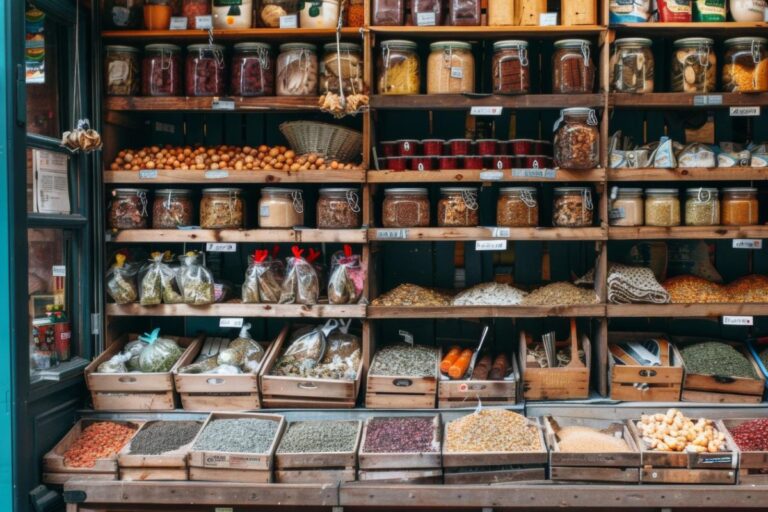

Know The Worst Foods To Eat If You Have IBS?
Irritable Bowel Syndrome (IBS) affects a significant portion of the population, leading to discomfort and disruptions in daily life. More than half of IBS patients have self-reported food intolerances and worsening of symptoms after consuming certain foods. Others with IBS notice most symptoms occurring within 3 hours of eating a meal.
Common symptoms of irritable bowel syndrome include gas, bloating, and abdominal pain. Identifying and avoiding these trigger foods is crucial for managing IBS effectively.
IBS Food Triggers Can Vary Widely
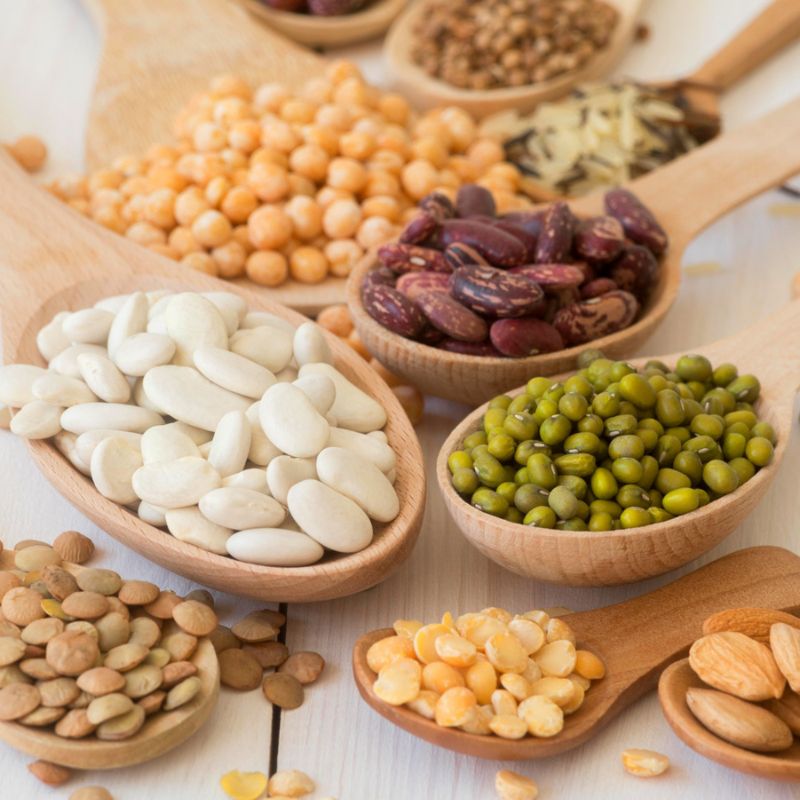
A nutritious diet is absolutely fundamental to maintaining good health. For almost four decades, I’ve emphasised the importance of fresh, wholesome foods. While a diverse diet rich in fruits, vegetables, nuts, seeds, and legumes benefits most people, those with IBS may find that some of these foods trigger uncomfortable digestive symptoms.
Therefore, it’s essential for people with IBS to be very mindful of their food choices, much more than people who don’t experience any IBS symptoms.
Through years of clinical experience, I’ve observed that IBS dietary triggers can vary widely among patients. However, certain foods consistently emerge as common culprits.
A 2016 study titled “Addressing the Role of Food in Irritable Bowel Syndrome Symptom Management” identified several foods frequently associated with IBS flare-ups:
The Common and Less Common Food Triggers
Identifying foods that trigger IBS symptoms is crucial for effective management. While triggers vary among people, certain foods are commonly associated with exacerbating IBS symptoms. Recognising and understanding these common triggers and also – less common food triggers- can empower those with IBS to make informed dietary choices, reducing symptom severity and improving quality of life.
Here’s an expanded and more detailed list of all the common and less-common food triggers when it comes to IBS:
Common Foods Linked With Worsening IBS Symptoms
By recognising and moderating the intake of these foods, individuals with IBS can better manage their symptoms and improve their quality of life. Further below you can read the 12 most common food and beverage triggers of IBS.
Eliminate Junk Food First for IBS Relief
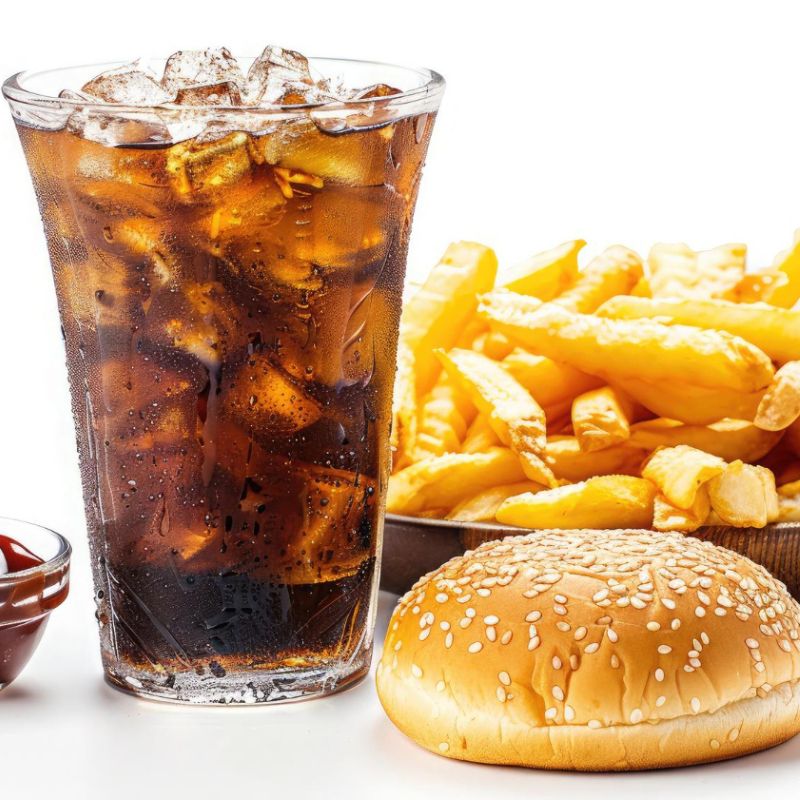
If you have Irritable Bowel Syndrome (IBS), the first step toward better gut health isn’t just adding healthier foods—it’s removing the harmful ones. Avoiding poor food and drink choices like dairy, alcohol, soda, candy, sugar, ice cream, pizza, fast food, and fried meals can lead to significant improvements. These benefits often become noticeable long before you fully transition to a healthier diet.
As a naturopath, I’ve seen many IBS patients who continue eating fast food and drinking alcohol while avoiding natural foods like cauliflower, onions, garlic, or beans because they believe these worsen their symptoms. However, the real problem often lies in processed and inflammatory foods. Completely eliminating alcohol and takeout meals should be your priority—long before cutting out natural foods like vegetables.
Improving gut health takes time. Your digestive system relies on beneficial bacteria that thrive under the right conditions. By removing unhealthy foods and drinks first, you create a better environment for gut bacteria to flourish, leading to better digestion and overall well-being. Does this make sense?
Gut Improvements from Cutting Out Junk Food
By eliminating unhealthy food and drink choices, you may notice:
Start by making these changes today, and your gut will thank you!
Top 12 Avoid Foods With IBS
Read on to discover the top 12 foods that may worsen your IBS symptoms. To start, I recommend avoiding most—if not all—of these foods. You can always reintroduce the healthier options later through an elimination and challenge diet, which is a smart way to identify triggers and improve digestive comfort.

1. Dairy Foods
In my naturopathic clinic, dairy has consistently been a problematic food for people with IBS. There are several reasons why dairy may trigger symptoms:
Switching to dairy-free alternatives, such as oat, almond, or coconut milk, may help reduce symptoms. Years ago, soy milk was one of the only options, but today, there is a wide range of nut and seed-based alternatives.
Despite pushback from the dairy industry, these plant-based milks have gained popularity worldwide. Some worry that eliminating dairy may lead to calcium deficiency. However, many non-dairy foods provide ample calcium, including:
2. Fried Foods
French fries and other deep-fried foods are staples of the typical Western diet, but for people with IBS, they can be particularly troublesome. The high fat content—often from poor-quality oils—can be difficult to digest, leading to bloating, cramping, and diarrhoea.
Research has shown a strong link between fried foods and IBS symptoms:

Why Fried Foods Are Bad for IBS
Frying changes the chemical composition of food, making it harder to break down and digest. This can result in:
For a healthier alternative, try grilling, baking, or steaming your favorite foods instead of frying. If you must fry, shallow frying in extra virgin olive oil (EVOO) is the best option—just be sure never to reuse the oil. To improve digestion and reduce IBS flare-ups, it’s best to eliminate all fried and fatty foods until your gut health has stabilised.

3. Insoluble Fiber
Dietary fibre plays a crucial role in gut health, adding bulk to the diet and supporting digestion. Most plant foods contain a mix of soluble and insoluble fibre, but some are more concentrated in one type. Beans, fruits, and oats are rich in soluble fibre, which dissolves in water and can be easier to digest for many IBS sufferers.
Whole grains and vegetables, on the other hand, are higher in insoluble fibre, which can be more irritating for some people with IBS. High-fibre foods include:
Fibre and IBS: A Personal Approach
Not all fibre affects IBS sufferers the same way. We’ve always found that some people tolerate insoluble fibre really well, whereas some others may experience increased bloating, gas, cramps, and discomfort.
Research highlights key points:
Finding the Right Fibre Balance
Since fibre tolerance varies from person to person, managing IBS requires an individualised approach:
Gut Bacteria and Fibre Tolerance
Your ability to tolerate fibre largely depends on the balance of gut bacteria. A healthy microbiome allows for better digestion of both soluble and insoluble fibre, while an imbalance leads to more severe IBS symptoms.
For this reason, I always recommend a comprehensive stool test for IBS patients. Understanding your gut bacteria can help you make better dietary choices and improve long-term digestive health.
4. Gluten
Gluten is a group of proteins found in wheat, rye, barley, and triticale. While some people can digest gluten without issue, others experience gut discomfort, particularly those with IBS, gluten intolerance, or celiac disease.
There is also confusion surrounding oats—while oats themselves do not contain gluten, they are often processed in facilities that handle gluten-containing grains, leading to potential cross-contamination.
.

Celiac Disease vs. Gluten Intolerance
Celiac disease is an autoimmune disorder that affects the small intestine, causing inflammation and nutrient malabsorption. Those with celiac disease experience severe symptoms after consuming gluten. However, many IBS sufferers may instead have non-celiac gluten sensitivity, which can cause similar symptoms without the autoimmune component.
Should You Try a Gluten-Free Diet?
For IBS sufferers, eliminating gluten for a trial period can help determine if it worsens symptoms. If gluten appears to be a trigger, consider avoiding it for at least 3 months to a year before reintroducing it gradually. However, unless diagnosed with celiac disease, avoiding gluten for life may not be necessary.
Getting Enough Fibre on a Gluten-Free Diet
One challenge IBS sufferers face when avoiding gluten is maintaining adequate fiber intake. Fortunately, there are many gut-friendly, gluten-free grain alternatives, including:
For baking, try using coconut flour or almond flour as nutritious, gluten-free alternatives. The good news is that gluten-free products are now widely available, making it easier than ever to enjoy favorite foods like pizza, pasta, cakes, and cookies without the digestive distress.

5. Alcohol
Alcohol is a common trigger for people with IBS due to the way it affects digestion. It can lead to dehydration, gut irritation, and bloating, making symptoms like cramps, gas, and diarrhea worse.
Certain alcoholic beverages are more problematic than others:
Alcohol and IBS: What Science Says
A 2012 study on alcohol consumption and IBS found that light to moderate drinking was not strongly linked to digestive symptoms. However, binge drinking significantly increased GI symptoms the following day, including:
Can You Drink Alcohol with IBS?
If you suffer from IBS, limiting or avoiding alcohol can help keep symptoms under control. I do not recommend drinking alcohol unless your IBS symptoms are well-managed and you are following a healthy diet.
If you choose to drink, consider these better options:
The best approach? Prioritise gut health first. Once your digestion has improved, you can experiment with reintroducing small amounts of alcohol to see how your body responds.
6. Caffeinated Drinks
Many people rely on caffeine to kickstart their day, and some even claim it helps keep their digestion regular. However, for those with IBS, caffeinated beverages can be a major trigger.
Caffeine stimulates the colon, which is why some people feel the urge to use the bathroom shortly after drinking coffee. A 1990 study published in the journal Gut found that 29% of participants reported coffee induced bowel movements, with 63% of them being female.

Why Caffeine Can Worsen IBS
Caffeinated beverages like coffee, sodas, and energy drinks can have a stimulating effect on the intestines, often leading to:
For many IBS sufferers, caffeine is one of the most commonly reported trigger foods.
Better Alternatives to Caffeine
If you need an energy boost without the digestive distress, try:
If you suspect caffeine is affecting your IBS, consider reducing or eliminating it and observing how your gut responds.

7. Beans and Legumes
Beans, lentils, and peas are nutrient-dense foods, rich in protein and fibre. However, they can also be a trigger for IBS symptoms in many individuals.
The problem lies in oligosaccharides, a type of sugar that is resistant to digestion. Since these sugars aren’t easily broken down, they ferment in the gut, leading to gas, bloating, and discomfort.
Why Beans and Legumes Can Worsen IBS
Your ability to digest beans depends on your gut bacteria. Some people tolerate them well, while others experience:
While beans can help with constipation by adding bulk to stool, they may be problematic for those with IBS-related bloating and gas.
How to Minimise IBS Symptoms from Beans
If beans trigger your IBS, consider easier-to-digest alternatives like zucchini, carrots, or small servings of well-cooked lentils.
8. Ultra-Processed and Take-Away Foods
If you are struggling with IBS symptoms, it’s crucial to examine the nutrition labels of the foods you consume. Many convenience foods and flavourings—including cereal, soups, spice mixes, salad dressings, and frozen dinners—contain high amounts of sugar, artificial sweeteners, and additives that could be contributing to your digestive distress.
For instance, terms like “natural flavours” or “dehydrated vegetables” in a spice mix may hide garlic or onion powder, while “sweeteners” in a dressing might refer to artificial sugars that can trigger IBS flare-ups.

A quick Google search can often help you understand exactly what’s in your food. But overall, my naturopathic approach has always been simple: eat foods as close to their natural state (without chemicals) as possible to avoid harmful additives.
The Benefits of Fresh, Whole Foods
By choosing fresh produce, whole grains, lean protein, and healthy fats, you provide your body with essential vitamins and minerals. This approach minimises your exposure to preservatives and additives that can cause gut issues.
Why Processed and Take-Away Foods Are Harmful
Ultra-processed foods and take-away meals are often high in added salt, sugar, and unhealthy fats, which can cause digestive discomfort in IBS sufferers. Some common examples include:
The Health Risks of Ultra-Processed Foods
Beyond IBS, processed foods can also contribute to other health problems, such as abdominal obesity, high blood pressure, obesity, and increased cancer risk.
Healthier Alternatives
Instead of relying on processed or take-away meals:
Remember, the more fresh foods you consume, the better your gut health will be, and your overall wellbeing will improve too.

9. Chocolate
While chocolate is a beloved treat, it can often exacerbate IBS symptoms. This is because many chocolate bars and candy are processed and contain high levels of sugar, fat, lactose, artificial sweeteners, and sometimes even caffeine, all of which can irritate the digestive system.
In my experience, most people with IBS avoid chocolate and chocolate-flavoured foods altogether, as they can cause bloating, cramping, or gas. However, individuals with only mild IBS symptoms may still consume chocolate without realising it may lead to subtle digestive discomfort.
How Chocolate Affects IBS
For some individuals with IBS, chocolate can lead to:
This response can vary from person to person, depending on the sensitivity of their gut.
Vegan Chocolate: A Potential Alternative
Recently, several vegan chocolate options have emerged on the market. These may be a more tolerable alternative for people with IBS, as they tend to have fewer irritants like lactose and artificial sugars. If you’re a chocolate lover, it’s worth experimenting with these options to see if they suit your digestive system better.
10. Broccoli and Cauliflower
Fresh produce is typically considered healthy, packed with disease-fighting nutrients, but certain fruits and vegetables, including broccoli and cauliflower, can be troublesome for those with IBS. These vegetables contain oligosaccharides, monosaccharides, and polyols—types of carbohydrates that are known to upset the stomach.
For individuals with IBS, consuming raw broccoli and cauliflower may irritate the digestive system. If you enjoy these vegetables, try roasting or sautéing them instead to reduce their potential to cause discomfort.

Why Brassica Vegetables Can Cause Problems
Even for people without IBS, the breakdown of brassica vegetables can lead to:
The Health Benefits of Brassica Vegetables
Despite their potential to cause digestive upset in some, I strongly believe in the health benefits of brassica vegetables. Studies show that they play a vital role in maintaining gastrointestinal health. For example, a 2017 study found that increased consumption of brassica vegetables is linked to:
Brassicas to Be Mindful Of
If you have IBS, these vegetables from the brassica family may cause symptoms, although tolerance can vary from person to person:
It’s always wise to test your tolerance by experimenting with different cooking methods or eliminating these vegetables temporarily to see if your symptoms improve.

11. Garlic and Onions
Garlic and onions are staple ingredients in many kitchens, known for their rich flavor and ability to enhance dishes. However, for those with IBS, they can be difficult to digest and may lead to gas, bloating, and cramps. Even processed versions, such as dried or powdered garlic and onions, can sometimes be triggers.
Why They Cause Problems
The issue lies with the fructo-oligosaccharides (or fructans) found in garlic and onions. These carbohydrates are often difficult for IBS patients to break down properly.
When the stomach and small intestine struggle to digest them, fermentation occurs in the large intestine, leading to:
What You Can Do
If garlic and onions trigger digestive problems for you, it’s best to avoid them. However, as your digestive system improves through diet and lifestyle changes, you may find that your gut becomes more capable of tolerating foods it previously couldn’t. This may allow you to gradually reintroduce garlic and onions into your meals in small amounts.
Consider working with your healthcare provider to find alternative flavoring options that don’t irritate your digestive system.
12. Sugar and Sugar-Free Sweeteners
Many people with IBS already know that consuming white, raw, or brown sugar is not the best choice for digestive health. While many seek out sugar substitutes, these alternatives can sometimes cause just as much trouble.
High fructose corn syrup (commonly found in sugary beverages and commercial sweets or candy) is particularly harmful to digestion and can be a major cause of bloating and gas. However, sugar itself isn’t the only problem—many sugar-free substitutes can also lead to digestive discomfort.

Problematic Sweeteners for IBS
Certain sugar replacements, both natural and artificial, are high in difficult-to-digest carbohydrates, which can be fermented by gut bacteria, triggering IBS symptoms. Animal studies have revealed that artificial sweeteners induce weight gain, brain tumours, bladder cancer, and a variety of other health problems.
These typically include:
Types of Sugar Substitutes
How to Reduce IBS Symptoms from Sweeteners
Many people who remove artificial sugars from their diet report improvements in IBS symptoms, brain fog, and overall health. If you’re struggling with ongoing gut issues, taking a closer look at hidden sweeteners in your diet may be an important step toward relief.
An Alternative Approach to the FODMAP Diet for IBS
Many doctors and dieticians recommend a low-FODMAP diet for IBS, which focuses on limiting foods high in specific fermentable carbohydrates. While this approach can provide symptom relief, it’s not a one-size-fits-all solution. (see Monash low-FODMAPS)
The Problem with FODMAPs for IBS Patients
The issue with strict adherence to the FODMAP diet is that it often puts IBS patients into a dietary “box”, where they stay symptom-free only as long as they avoid certain foods. But once they reintroduce these foods, symptoms can return. This can create an unnecessary fear of food and long-term dietary restriction.
Instead of treating FODMAPs as the “ultimate solution”, I encourage a more flexible and individualised approach. Not everyone with IBS reacts to the same foods in the same way, so it’s worth experimenting carefully with foods labeled as “high-FODMAP” to see what your body can actually tolerate.
A More Balanced IBS-Friendly Approach
Rather than strictly eliminating all high-FODMAP foods, consider:
You’re Not Defined by the FODMAP List!
Every person with IBS has a different level of tolerance to fruits, vegetables, grains, seeds, and nuts. Instead of assuming a food is bad for you just because it’s on a FODMAP list, listen to your own digestive system.
By taking an individualised, flexible approach rather than following rigid diet rules, you can regain confidence in eating a broader range of nutritious foods without unnecessary restriction.

Functional and Diagnostic Testing for IBS
IBS is often seen as a waste-basket diagnosis—a label for unexplained symptoms rather than a true explanation. Many questions remain unanswered for those diagnosed:
We learned in our clinic that “mystery” IBS patients often have an underlying bacterial overgrowth, Candida issues or even a parasite problem, at times hidden for years. Nobody bothered to check.
Most Patients Receive Vague Guidance
Most IBS patients receive little guidance beyond vague dietary advice, often left to manage their condition alone. In our clinic, we found that many IBS sufferers had undiagnosed bacterial overgrowth, Candida, or parasites—issues overlooked by conventional medicine.
Understanding why symptoms occur is key to finding a solution. Functional medicine testing offers valuable insight:
IBS Diet Summary
IBS triggers vary for each person, making individualised dietary adjustments essential:
Rather than relying solely on restrictive diets, uncovering the root cause empowers better management and lasting relief.

Ultimate Candida Cleanse System
Beat Candida naturally with the complete, science-based system created by naturopath Eric Bakker, N.D. This all-in-one package gives you two downloadable guidebooks plus the Yeastrix Gut Restore Kit — three targeted professional formulas that work together to reset your gut, restore balance, and rebuild healthy digestion.
You get a structured, step-by-step program, professional clinical guidance, and supplements designed to support each stage of recovery. No guesswork. No confusing protocols. Just a clear roadmap and the right tools to help you finally reduce symptoms, rebalance your microbiome, and feel like yourself again. The Ultimate Candida Cleanse System is everything you need to make real progress — naturally, safely, and effectively.

Eric Bakker N.D.
Greetings! I am a naturopathic physician from New Zealand. Although I’ve retired from clinical practice since 2019 after 34 years of clinic. I remain passionate about helping people improve their lives. You’ll find I’m active online with a focus on natural health and wellbeing education through my Facebook page, Reddit page and YouTube channel, including this website.