
Olive Leaf Extract Is A Powerful Antimicrobial
Olive leaf extract, derived from the leaves of the Olea europaea tree, has been a cornerstone of Mediterranean medicine for centuries. Traditionally used for its healing properties, olive leaves have been prized for their role in promoting general health and treating infections.
Modern research highlights olive leaf extract as a potent supplement due to its rich concentration of bioactive compounds, particularly oleuropein. This compound is celebrated for its antioxidant, antimicrobial, antihypertensive, blood sugar-regulating, and gut health-supportive properties.
What is Olive Leaf Extract?
Olive leaf extract is a concentrated supplement obtained from the leaves of the olive tree. Unlike olive oil, which is derived from the fruit, the extract focuses on the bioactive compounds within the leaves.
Its primary active compound, oleuropein, belongs to a group of plant polyphenols known for their antioxidant properties. Oleuropein is the key compound in olive leaf extract. Known for its antioxidant and anti-inflammatory effects, oleuropein combats oxidative stress and inflammation, which are often precursors to chronic diseases. Let’s look more at oleuropein’s many actions:

Oleuropein Is The Key Compound
Oleuropein is a powerful phenolic compound found abundantly in olive leaves and to a lesser extent in olive oil. It is primarily responsible for olive leaf extract’s potent antioxidant, anti-inflammatory, and antimicrobial properties. Oleuropein works by scavenging harmful free radicals, combating oxidative stress, while supporting cellular health. Powerful antioxidants such as oleuropein have been linked with reducing the risk many of chronic diseases and aging.
Additionally, its antimicrobial properties make it effective against a broad range of pathogens, from bacteria and fungi to viruses, contributing to its therapeutic role in supporting immune function and gut health This versatility has made it a focus of research in fields such as cardiovascular health, metabolic wellness, and gut microbiome balance. (Omar 2010), (Barbado et al., 2022),
The Difference Between Olive Leaf Extract and Olive Oil
Olive oil and olive leaf extract both offer significant health benefits, but they differ in their composition and primary uses. Both are beneficial for health, but the leaf extract tends to support immune function, act as an antimicrobial, and help combat infections more than olive oil.
Olive Leaf Extract
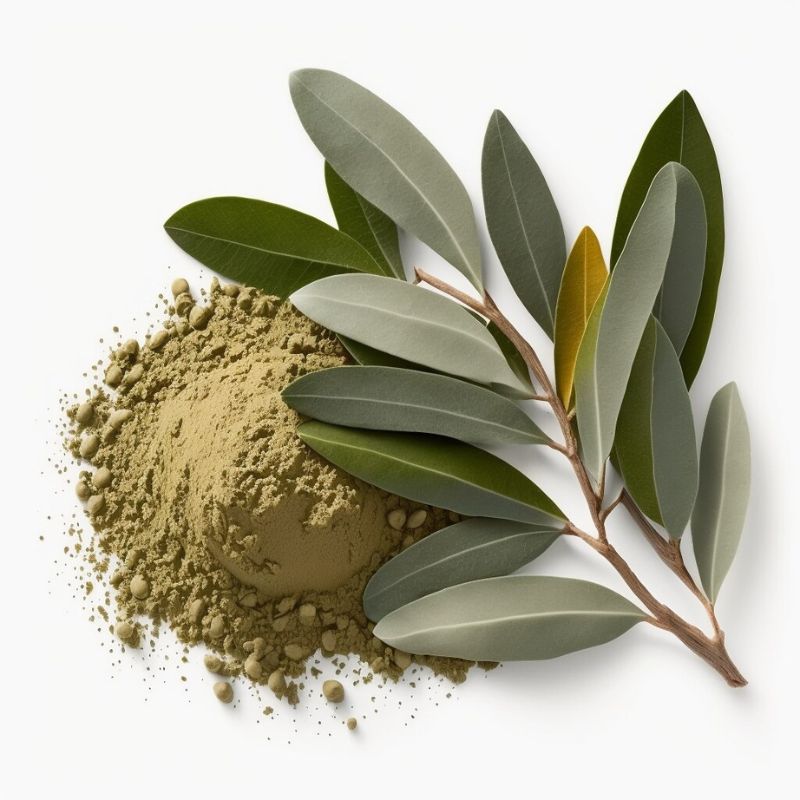
Olive leaf extract is made from the leaves of the olive tree and contains bioactive compounds like oleuropein, which have potent antimicrobial, antiviral, and anti-inflammatory properties. Olive oil promotes cardiovascular and overall health through its healthy fats and antioxidants. The extract has been studied for its ability to reduce inflammation, combat infections, support immune health, and even lower blood sugar levels. It is typically taken in supplement form, offering a concentrated dose of these compounds.
The production process of olive leaf extract involves drying and pulverising olive leaves, followed by the extraction of oleuropein and other beneficial compounds. It is this concentrated preparation that makes olive leaf extract a powerful tool for health optimisation (Cör Andrejč et al., 2022).
Olive Oil
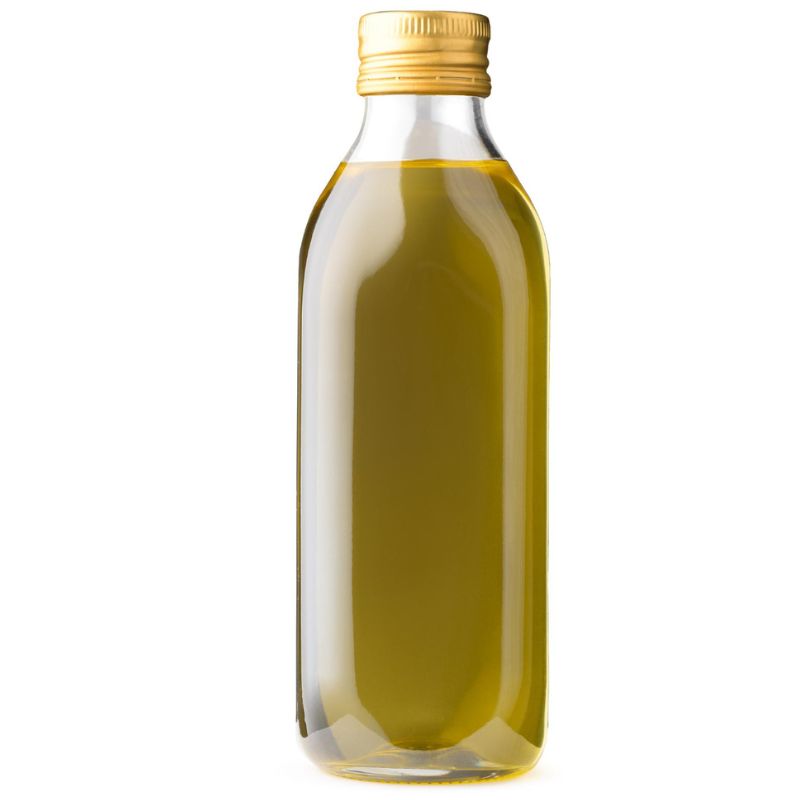
Olive oil (especially extra-virgin olive oil, EVOO) is rich in monounsaturated fats, particularly oleic acid, and antioxidants like vitamin E and polyphenols. Olive oil is made from the crushing and pressing olives.
EVOO is the result after the first cold-pressing of olives, ensuring that the oil is extracted without the use of heat or chemicals, which helps preserve its distinctive flavour profile and nutritional integrity.It’s known for promoting heart health. It also has anti-inflammatory properties and is beneficial for overall well-being when consumed as part of a balanced diet, especially in the Mediterranean diet.
Both olive oil and the extract each has unique strengths depending on your health goals. With its robust health benefits and versatility, EVOO is a must-have in any kitchen, serving as a foundation for healthy cooking and a key player in promoting long-term health. It forms a part of our Foundation Diet, the final module in our Ultimate Candida Cleanse Program.
Historical Significance and Modern Applications

For centuries, cultures in the Mediterranean have incorporated olive oil and olive leaves into their culinary and medicinal practices. Ancient Egyptians and Greeks recognised the therapeutic potential of olive leaves, employing them to support health and longevity (de Oliveira et al., 2024).
Today, the extract of these leaves has transcended its traditional uses and is embraced globally as a natural supplement for promoting cardiovascular health, immune support, and overall wellness. Its role in the Mediterranean diet—widely regarded as one of the healthiest diets—underscores its value in preventing chronic diseases and promoting longevity.
Health Benefits of Olive Leaf Extract
Olive leaf extract is a powerhouse of health benefits, especially when it comes to supporting gut health and overall well-being. Its efficacy stems from potent bioactive compounds like oleuropein, which contribute to its remarkable therapeutic properties. Renowned for its versatility, olive leaf extract stands out as an invaluable supplement for promoting health and vitality.
In this discussion, we’ll delve deeper into the many actions attributed to olive leaf extract, with a particular focus on its impact on the gut microbiome. We’ll explore its powerful antimicrobial and antifungal properties and their role in fostering a balanced, healthy digestive system.
Here are some of the main benefits of olive leaf extract:
Antimicrobial and Antifungal Properties
The antimicrobial effects of olive leaf extract are well-documented, demonstrating efficacy against a wide range of bacteria, fungi, and viruses. It has been shown to help address candida overgrowth as well as more serious conditions such as meningitis, pneumonia, chronic fatigue syndrome, hepatitis B, malaria, gonorrhea, shingles, and tuberculosis (Markin et al., 2003).
Olive leaf extract is highly regarded for its ability to combat a wide variety of infections. Additionally, it’s an effective natural remedy for ear infections, dental issues, and urinary tract infections, making it a valuable addition to any wellness routine (Barbaro et al., 2014).
Scientific studies back up olive leaf extract’s reputation as a natural antibiotic. A study revealed its strong antimicrobial effects against both bacteria and fungi (Markin et al., 2003). Olive extract successfully eliminated virtually all tested bacteria, including dermatophytes (causing skin, hair, and nail infections), Candida albicans (responsible for oral and genital infections), and Escherichia coli (a common bacteria found in the gut).
In 2017, further research confirmed olive leaf extract’s role as a powerful antimicrobial agent, showing its ability to control harmful foodborne pathogens like E. coli and salmonella (Liu et al., 2017). This evidence highlights its versatility in supporting immune health and fighting bacterial infections.
Anti-Candida
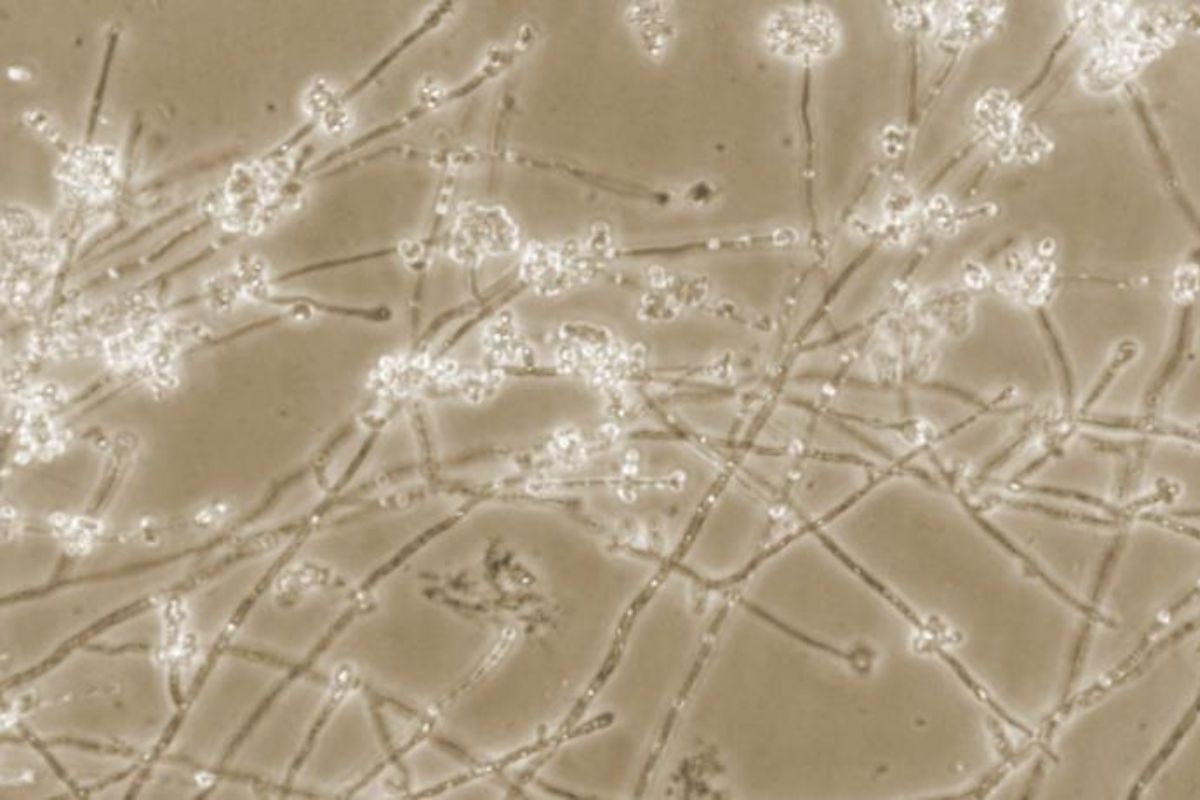
Several studies show olive leaf extract has the ability to combat Candida albicans, a common fungus responsible for infections in the oral, genital, and intestinal areas. (Zorić et al., 2016).
Olive leaf extract has known antifungal activity not only against Candida albicans, but also against a wide variety of fungi.
Another study found that whole olive leaf extract showed effective antifungal activity against Candida albicans. The findings suggest that the herbal extract can be suitable for the prevention and treatment of Candida infections such as oral thrush (Nasrollahi et al., 2015).
Research found that oleuropein and hydoxytyrosol can make good Candida inhibitors (Markin et al., 2003), (Bayçin et al., 2007). Despite antimicrobial activity of olive leaf extract against Candida albicans, it was reported that oleuropein has an even greater impact on suppression of Candida glabrata and Candida parapsilosis (Sudjana et al., 2009).
Candida Biofilm Suppression
Olive leaf extract aids gut health by inhibiting Candida albicans and preventing its overgrowth, which can disrupt the gut microbiome. By attacking the biofilms formed by Candida, it allows beneficial bacteria to thrive (EL-sayed et al., 2020).
Food Poisoning
Additionally, olive leaf has been effective in managing food-borne pathogens such as E. coli and Salmonella. This dual antibacterial and antifungal action makes olive leaf extract a natural alternative to synthetic treatments for certain infections (Liu et al., 2017).
Helicobacter Pylori Treatment
Olive leaf extract shows promising potential in managing Helicobacter pylori infections, which are known to induce chronic inflammation and oxidative stress in gastric epithelial cells.
Studies have found that olive leaf extracts can significantly reduce inflammation and mitigate damage by inhibiting inflammation. Standardised olive leaf extract formulations are important for maximising their bioactive benefits and therapeutic potential. By reducing the impact of Helicobacter pylori, olive leaf extract offers a non-pharmaceutical approach to effective treatment (Silvan et al., 2021).
Preventing Leaky Gut
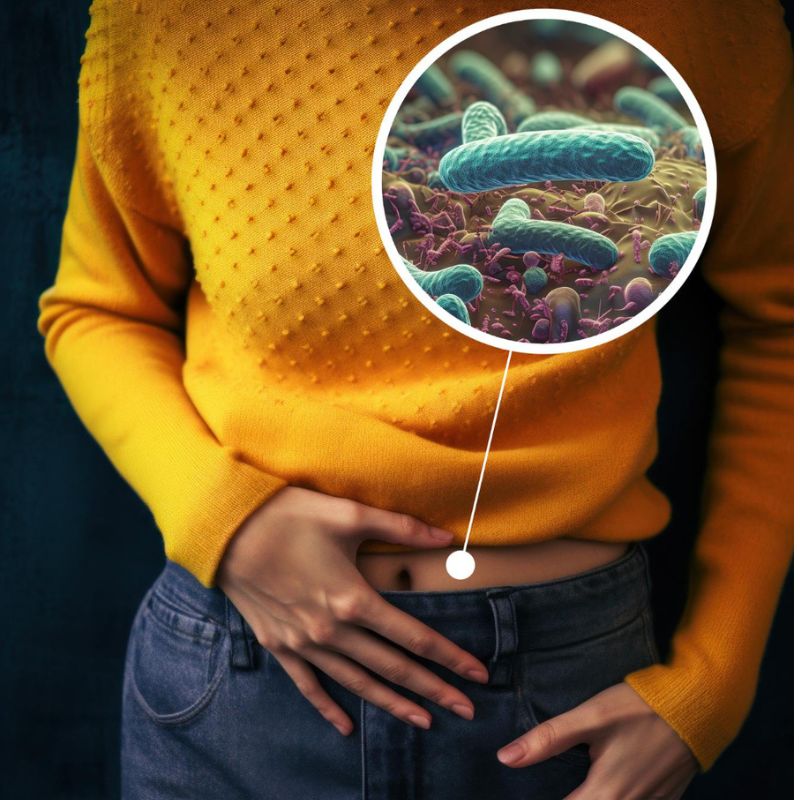
Olive leaf extract plays a significant role in balancing the gut microbiome by helping to reduce inflammation, support the elimination of harmful pathogens, and foster an environment for beneficial bacteria.
Balancing the gut microbiome and reducing gut inflammation is critical for preventing conditions such as leaky gut syndrome and chronic low-grade gut inflammation (precursor to auto-immune disease), often linked to long-term bacterial or fungal imbalances (Christovich et al., 2022).
How to take Olive Leaf Extract
Olive leaf extract is obtained through various extraction methods to isolate its bioactive compounds. The leaves can be processed into multiple forms, including:
For optimal results, olive leaf extract can be consumed in various forms, including capsules, tinctures, or teas. For optimal results it is best taken along with other key antifungal and antibacterial plants-based medicines.
The extraction process aims to retain the highest levels of oleuropein and related compounds while ensuring stability and bioavailability
Olive leaf extract is a powerful natural antifungal that can play an important role in a Candida recovery plan. It is generally well-tolerated, and while it may cause some mild Candida Die-Off symptoms, these are usually less severe than those caused by other treatments like grapefruit seed extract.
To minimise discomfort and maximise effectiveness of any antimicrobial supplement, it’s best to start with a small dose and gradually increase it over the course of a week.
To support your body during this process, ensure you’re drinking plenty of water. Staying hydrated helps boost your liver and kidney detoxification pathways, aiding in the elimination of toxins released as Candida is broken down. If you do experience Die-Off or Herxheimer reactions, remember that these symptoms are a sign the treatment is working, but are are ways to avoid die-off. However, if they become overwhelming, you can slow down your treatment or reduce the dosage until your body adjusts.
Who Should Avoid Olive Leaf Extract?

While olive leaf extract is a natural and effective antifungal, it isn’t suitable for everyone. Pregnant or breastfeeding women should avoid it, as should individuals allergic to olive tree pollen. As with any supplement, it’s important to consult a healthcare professional before beginning treatment to ensure it’s the right fit for your needs and health status.
Using Antifungal Supplements in Candida Recovery
When incorporating antifungal natural medicines like olive leaf extract into your Candida treatment plan, a few key considerations can enhance effectiveness. Combining multiple antifungal natural medicines rather than relying on just one can help prevent Candida from adapting and becoming resistant. However, it’s also important to stagger the introduction of antifungal natural medicines and probiotics. Starting both at the same time can overwhelm your system.
For tailored guidance on creating the most effective Candida recovery plan and selecting the right antifungal supplements, consider exploring resources like the Ultimate Candida Cleanse Program.
Introducing Yeastrix
Olive leaf extract is just one of many natural antifungals that can support your fight against Candida. Other powerful options include caprylic acid, berberine, garlic, and undecylenic acid. Wouldn’t it be convenient to have a single supplement combining all these ingredients, formulated by an expert in gut microbial health and Candida overgrowth?
That’s exactly what Yeastrix Candida Cleanse delivers. This advanced 3rd generation anti-Candida formula contains olive leaf extract alongside caprylic acid, undecylenic acid, NAC, berberine HCl, betaine HCl, and garlic extract. Made with high-quality, vegetarian, and non-GMO ingredients in the USA, Yeastrix offers a powerful, all-in-one solution to support your Candida recovery journey.
To learn more about Yeastrix Cleanse and how it can enhance your antifungal treatment plan, click here.
Yeastrix Cleanse: A Comprehensive Antifungal Solution
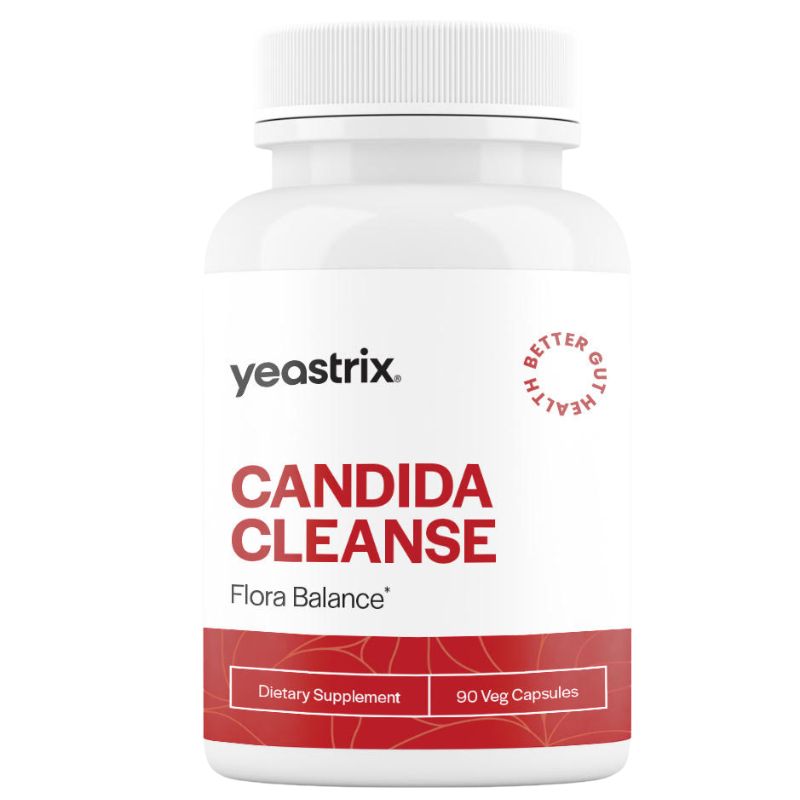
For those looking for an all-in-one solution to tackle Candida and other fungal or bacterial infections, consider Yeastrix Candida Cleanse, our 3rd generation antifungal supplement.
This product combines olive leaf with several other powerful antifungals, creating a balanced and effective cleanse for yeast overgrowth.
Yeastrix Cleanse includes the following 14 ingredients:
With Yeastrix Candida Cleanse, you can simplify your antifungal regimen by getting the benefits of olive leaf along with other natural ingredients that promote gut health and combat yeast infections. Made with the highest-quality, non-GMO, and vegetarian ingredients, it’s designed for those looking for a natural, safe, and effective approach to Candida management.

Eric Bakker N.D.
Greetings! I am a naturopathic physician from New Zealand. Although I’ve retired from clinical practice since 2019 after 34 years of clinic. I remain passionate about helping people improve their lives. You’ll find I’m active online with a focus on natural health and wellbeing education through my Facebook page, Reddit page and YouTube channel, including this website.