

Food Elimination and Challenge – The “Low-Reactive” Diet
If you’re struggling with bloating, fatigue, brain fog, or stubborn skin and gut issues, you may be reacting to foods your body no longer tolerates. The Elimination and Challenge Diet remains the gold standard for identifying food sensitivities and helping your gut heal. In this guide, I’ll walk you through exactly how to eliminate potential triggers, reintroduce foods strategically, and restore gut balance—based on over three decades of clinical experience and functional medicine insight.
Personally I call the elimination and challenge diet the “Low-Reactive” diet, the following protocol is the one I’ve used personally in my professional work and developed over the years based on many cases, research, many discussions with friends involved in functional medicine, and my own clinical experiences. spanning 34 years.
The Gold Standard
The Low-Reactive Diet is a structured approach designed to identify food allergies, sensitivities, and intolerances. By temporarily removing potential trigger foods, many people experience relief from chronic health issues such as joint pain, brain fog, chronic fatigue, and sinus infections. Some even achieve life-changing health improvements.
The Low-Reactive method is also known as an elimination diet, an approach that has helped many people eliminate certain foods or beverages and help uncover the root cause of unexplained symptoms. By following this diet for a minimum of two weeks, you may gain valuable insights into which foods may be harming your health.

How Does A Low-Reactive Diet Work?
The Low-Reactive Diet is 4th module of the Ultimate Candida Cleanse Program. It is a structured elimination-diet process that helps identify foods triggering negative reactions like brain fog, fatigue, joint pain, unexplained gut & immune symptoms, and more.
By temporarily removing suspected problem foods and re-introducing them one at a time, individuals can pinpoint the specific foods that contribute to their symptoms.
When it comes to food elimination, it’s important to personalise the elimination diet you attempt to your personal needs. The specific foods to remove in any elimination diet can vary depending on your individual sensitivities and needs, regardless of what somebody tells you, there is no “right or wrong” way of following any diet, there’s only your way of doing it.
Your Low-Reactive Diet Resources

We recommend saving these resources for quick and easy access. They’ll serve as your step-by-step guides throughout the food elimination and reintroduction process, helping to simplify the journey and keep you on track. Below, you’ll find all the key documents you’ll need. Some of these free handouts are also explained further down the page to give you extra clarity and insight.
What Is the Elimination & Challenge Diet?
In this first video, I explain the fundamentals of the Elimination and Challenge Diet—one of the most effective tools for discovering which foods may be irritating your gut, skin, joints, or immune system. You’ll learn how this process works, why it’s so effective for identifying food sensitivities, and how it can dramatically improve your overall health when done correctly. A must-watch before you begin the journey.
How to Implement Elimination & Challenge Diet
Ready to get started? In this follow-up video, I guide you through the practical steps of implementing the Elimination and Challenge Diet in daily life. From setting up your meal plan to monitoring symptoms and reintroducing foods properly—this is your roadmap to success. Whether you’re new to gut healing or a seasoned wellness seeker, this will help you get it right from day one.
Most Reliable Way To Diagnose Food Allergy or Intolerance
We have consistently found that the Low- Reactive Diet allows the individual to systematically pinpoint their problematic foods and drinks, reduce chronic inflammation, and support gut healing. Research confirms that food exclusion followed by reintroduction is the most reliable way to diagnose food intolerance (Lomer et al., 2014).
Elimination Diets In Medical Practice
Elimination diets are widely used in medical practice and are beneficial for individuals with:
The High-Allergy Food Elimination Diet

The high-allergy food elimination diet is a common approach in medical settings. It involves removing common allergens including milk, eggs, soy, wheat, tree nuts (and peanuts), and fish (and shellfish) to identify problem foods (Malone et al., 2024). You can do a food elimination at home yourself, but it’s not as easy as it seems, you’ll be surprised how many foods you consume fall into one or more of these 6 most common allergens.

Chronic Unexplained Health Issues
Oral food elimination and challenge combined with symptom tracking can be a cost-effective, non-invasive method for pinpointing food allergies and intolerances. Beyond diagnosed conditions, elimination diets are also effective for those with chronic, unexplained health issues. Over the years, we’ve found that individuals with “mystery” illnesses” —those who struggle with ongoing symptoms but haven’t found solutions – often react to triggers well beyond the top six allergens.
For these individuals, an elimination diet combined with oral food challenges and symptom tracking can be a highly cost-effective, non-invasive method for pinpointing food sensitivities and intolerances. By following this method, you can take control of your diet, uncover hidden triggers, and fine-tune your nutrition for long-term health and well-being.
We’ll discuss how to do the elimination and reintroduction of foods shortly, but first let’s explain how to do the 3 steps that make up Low-Reactive Diet.
The low-reactive diet is designed to be completed at home to help uncover and detect foods or drinks that may be causing unwanted immune or non-immune responses. Although this approach offers numerous benefits for a wide range of individuals, not everybody may feel comfortable doing this alone without help of a healthcare professional.
The Role of Professional Guidance
If you’re not confident navigating this process alone, alternatively, working with a qualified health professional can provide additional support and guidance. While a self-guided elimination diet can be effective, professional guidance can optimise results and prevent common pitfalls.
An experienced naturopath and integrative medicine practitioner can provide valuable insights, including:
For people with chronic Candida overgrowth, food sensitivities, or long-standing gut health issues, professional guidance can improve treatment outcomes and long-term symptom relief.

Not a Substitute for Medical Care
While a Low-Reactive Diet can be a valuable tool for identifying food triggers and supporting digestive health, it should never replace proper medical diagnosis and treatment. In clinical practice, we’ve always worked in collaboration with doctors and specialists, referring patients for appropriate testing and care when necessary.
Before making any significant or long-term dietary changes, it’s important to consult with your healthcare professional—especially to rule out underlying conditions that may require medical attention.
An elimination diet is both a diagnostic and therapeutic approach, but it should always complement a thorough medical evaluation—not replace one. For this reason, it’s essential that you, as the patient, understand the purpose, limitations, and goals of elimination and reintroduction strategies. Misunderstanding these principles can lead to frustration, misdiagnosis, or failure to achieve results.
Many people with food sensitivities or gastrointestinal issues often first consult with primary care providers. These practitioners should perform a full clinical assessment before assuming a food allergy or intolerance is the cause.
The 3 Steps of the Low-Reactive Diet
Identifying Food Allergies and Sensitivities
We follow a structured three-stage process to help detect food allergies or sensitivities. Let’s walk through each stage together. To support you on this journey, we’ve provided several helpful downloads below.
Step 1. Food Identification and Elimination (from 2 to 6 weeks)
Identifying and Scoring the Foods You Eat
Start by making a detailed list of everything you eat and drink. This includes:
Take your time with this process. Be as thorough as possible—nothing is too small to include. Once your list is complete, set it aside for a few days. When you come back to it, review and revise. You might remember foods or drinks you initially missed.
Ask Family or Friends
It also helps to ask close friends or family—sometimes others can recall what you regularly eat better than you can. Pay special attention to your favourite foods and drinks, and the ones you tend to consume often or crave.
This list will be especially helpful when you begin to reintroduce foods, as it will highlight those you’re naturally drawn to—these are often the foods that may cause the most issues. Recognising these patterns early gives you more control and awareness.
To help you make sense of your list, refer to our Candida Cleanse Food Scoring Guide. This guide will help you assign a score from 1 to 3 for each food and beverage item you consume regularly.
This simple yet powerful exercise gives valuable insights into your dietary habits and helps lay a solid foundation for your cleanse journey.

A – Identification: The Food Scoring Guide
PDF Download: Food Scoring Guide
Our two-page list contains all the likely foods you will be eating, including proteins, fish and seafood, vegetables, fruits, dairy products, grains, nuts and seeds, legumes, beverages, even herbs and spices.
Food Scoring
Our PDF guide will help you easily categorise the foods you commonly eat, occasionally eat, and crave. There’s more about food scoring further down the page, including more detailed information on food groups.
Assign a score to each food and write it on the left of each food:
Please Note: Any food or drink can have a score higher than 3, it can even have a score of 4 or 5. For example, if bread (wheat product) is craved (score 3) craved occasionally (score 4), or craved frequently (score 5)
Food Withdrawal and Challenge Based on Scoring

Learning to Identify your Personal “Yes or No” Foods
At our clinic, we found the Low-Reactive approach helps uncover hidden food and drink triggers, whether they stem from food allergens, food intolerances, or specific food compounds. Food allergies usually stem from an antibody-response against a protein. Interestingly, food reactions are often (but not always) caused by natural sugars or chemical compounds rather than the food itself (Muthukumar et al., 2020).
Food reactions also commonly occur due to food additives commonly added to ultra-processed foods, one of the reasons why we recommend avoiding processed foods if you can. (Witkowski et al., 2022)
These reactions typically occur when a person surpasses their dose tolerance threshold, meaning they may tolerate small amounts but react negatively when the load becomes too high.
Become Observant: Recognising Your Own Food Reactions
Food sensitivities are often cumulative, meaning symptoms don’t always appear immediately after eating a particular food. Instead, reactions may occur once a certain chemical load builds up in the body. In some cases this may occur in hours, in others, in one or several days.
Here’s what to keep in mind when observing food reactions:
By tracking what you eat and how you feel, an elimination diet can help you determine your “yes” and “no” foods, allowing you to take greater control over your diet and overall health. Let’s look right now at the most effective ways to score the foods you eat as you go through the food-elimination process.

B – Elimination: The High and Low Reactive Food List
PDF Download: High and Low Reactive Food List and Guide
Our two-page list contains two primary lists that will help you assess your food choices. By using our lists you will be able to establish your “problematic” foods and take action, especially when used in conjunction with the Food Scoring Guide.
Assessing Foods with High and Low-Reactive List
Removing suspected trigger foods to allow your gut microbiome and body time to reset. We recommend starting by focusing on the six most common allergens from your diet. Do you love any of these foods?
Food Linked With Allergies

Cow’s Milk 
Shellfish 
Eggs 
peanuts 
Fish 
Soy (unfermented) 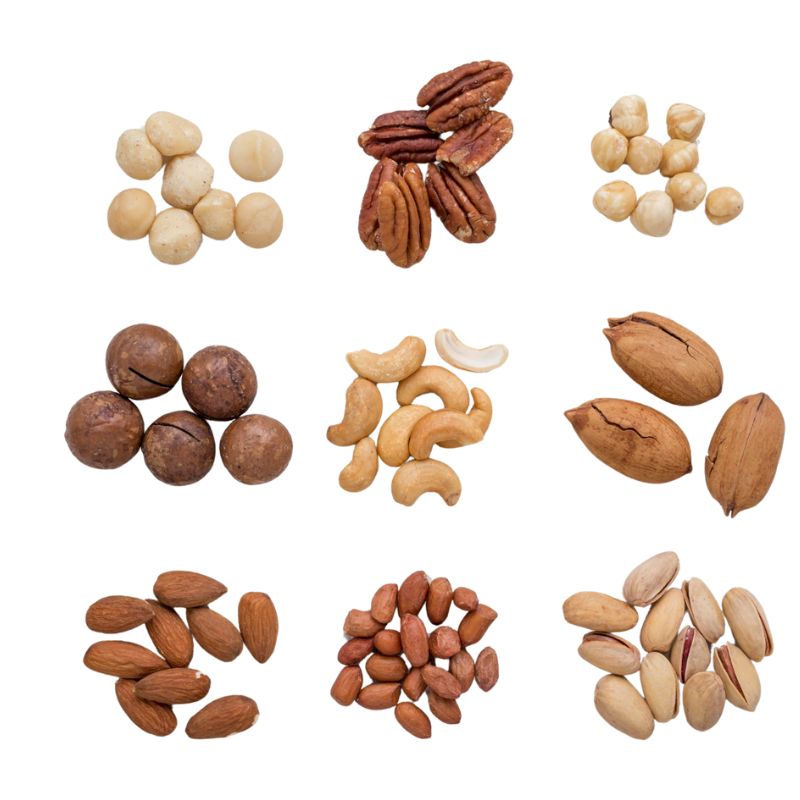
Tree Nuts
Begin – With The Most Common Food Triggers First (High & Low Allergy Food List)
The first step is to eliminate most common food allergens from your diet that have the highest scores. These foods are responsible for a significant number of allergic and inflammatory reactions in the human body. This group of 6 includes: Cow’s Milk, Eggs, Fish and Shellfish, Nuts (peanuts and all tree nuts), Soy Products, and Wheat.
By removing any suspected trigger foods for 2 to 6 weeks, you allow your gut time to reset and reduce inflammation. If you don’t notice any change at all, slowly introduce them back into your diet, one at a time.
Pro Tip: Use the High and Low-Allergy Food List alongside your Food Scoring Guide. This will help you determine if any of your favourite foods are contributing to symptoms like bloating, fatigue, or digestive discomfort.
Secondly – Review Additional Food Triggers (High-Reactive Food List)
Once you have removed any or some of top six food allergens that you consume daily or crave, it’s time to examine other potential triggers found in the High-Reactive Foods List. These foods can be problematic for individuals dealing with chronic gut issues, including: Candida overgrowth, SIBO, IBS, and IBD.
Many of these foods contain high levels of natural food chemicals such as histamines, FODMAPs, or salicylates, which can worsen gut inflammation and cause symptoms like gas, bloating, fatigue, joint pain, and skin flare-ups.
Highly-desired foods in the High-Reactive list are best kept from the diet for a further 12 to 16 weeks to allow your gut microbiota to more fully recover. At this point they can be re-introduced slowly one by one to observe for any new reactions.
Food Linked With Intolerances

High FODMAPS Food 
High Histamine Food High FODMAPS Food 
High Salicylate Food 
High Salicylate Food 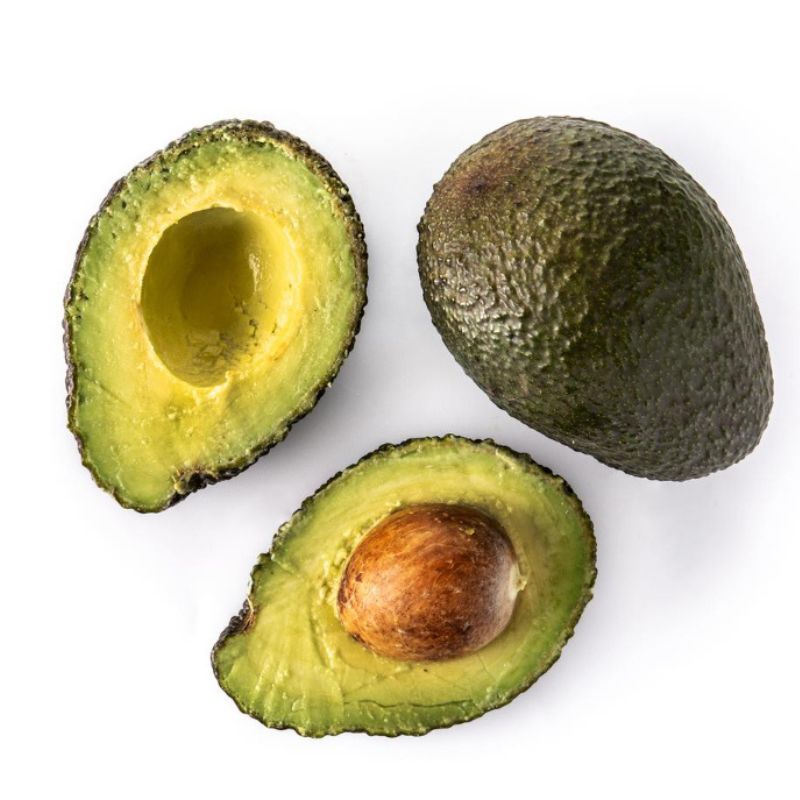
High Histamine Food 
High Salicylate Food 
High Salicylate Food 
High Histamine Food 
High FODMAPs Food 
High FODMAPs Food 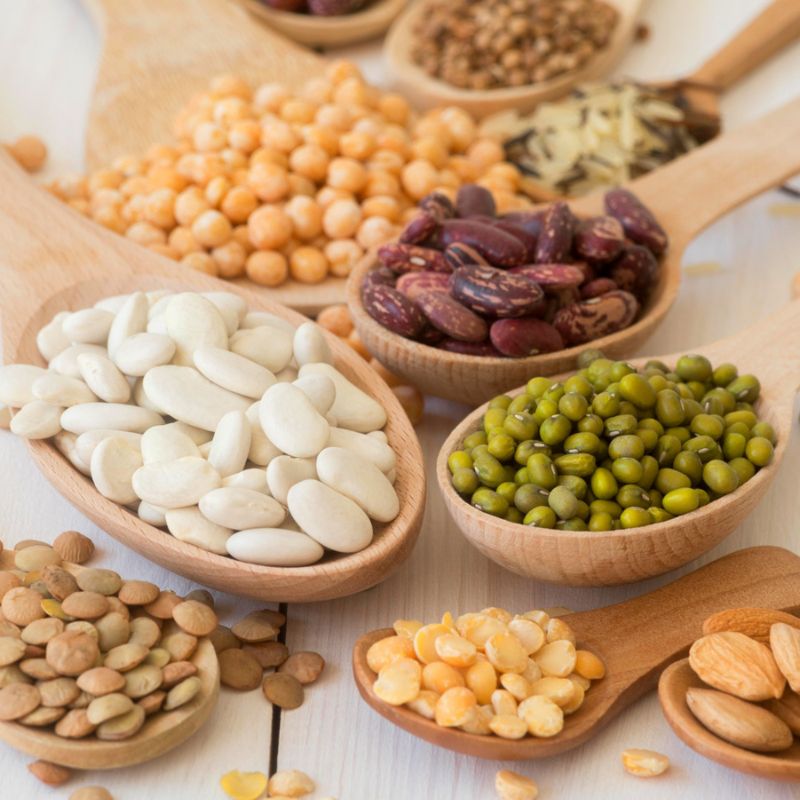
High FODMAPs Food 
High Histamine Food 
High FODMAPs Food 
High Histamine Food
Step 2. Food Reintroduction (from 2 to 6 weeks)
Step 3. Food Maintenance (long-term diet)
Most Common Food Groups
Here are the most common food groups, for more information click on any links:

Meats (Beef, Pork, Lamb, Chicken)
List the types of meat you eat most often (e.g., grilled chicken, beef steak, lamb stew, pork chops). Identify processed meats (e.g., bacon, deli meats, sausages) separately as they may contain additives that trigger reactions.
Consider how meats are prepared (fried, grilled, slow-cooked) and how that affects your digestion. It’s good to moderate meat consumption. Read: Protein
Fish and Seafood
Identify commonly consumed fish (e.g., salmon, tuna, cod) versus occasional choices (e.g., shellfish, shrimp, crab, oysters). Take note of whether seafood is farm-raised or wild-caught, as this can impact reactions.
Pay attention to sauces and seasonings used with seafood. Read: Protein

Dairy Products
Consider your intake of milk, cheese, yogurt, butter, and cream.
Note whether you consume cow’s milk, goat’s milk, or non-dairy alternatives (almond, soy, oat milk, etc.).
Identify whether you experience bloating, gas, or discomfort after consuming dairy, you may have a dairy allergy. Read: Dairy Products
Fruits and Vegetables
List commonly eaten fruits (e.g., apples, bananas, berries) and vegetables (e.g., spinach, carrots, broccoli).
Take note of seasonal variations—some people react differently to fruits in peak vs. off-season. Consider whether you consume raw, cooked, or processed versions of these foods. Read: Fruits and Vegetables.

Nuts, Seeds, and Grains
Include nuts such as almonds, walnuts, cashews, and peanuts.
Identify seeds like flaxseeds, chia seeds, and sunflower seeds.
List grains such as wheat, rice, quinoa, oats, and corn, as well as processed grain products (bread, pasta, crackers). Monitor for digestive discomfort or cravings linked to these foods. Read: Nuts and Seeds and Grains

Legumes (Soy, Lentils, Chickpeas, etc.)
Identify your intake of beans, lentils, chickpeas, soy products (tofu, tempeh, soy milk), and peas.
Note whether legumes are eaten whole, as flour (e.g., chickpea flour), or in processed foods. Assess whether bloating, gas, or digestive issues follow consumption.

Herbs, Spices, and Beverages
List commonly used herbs (e.g., basil, oregano, cilantro) and spices (e.g., turmeric, cinnamon, black pepper).
Include beverages such as coffee, tea, herbal infusions, and flavoured drinks. Consider sweeteners, additives, or preservatives that might contribute to symptoms. Read: Spices and Condiments and Healthy Drinks
How To Track Your Symptoms During Your Candida Cleanse
The 4 Common Food Reactions
During food withdrawal, you may experience different reactions. Here are the 4 most common reactions:

Track Your Symptoms For Success
Tracking your symptoms is an important part of the Candida Cleanse Program. It helps you understand how your body is responding to dietary changes, supplements, and lifestyle adjustments.
Our Candida Cleanse Symptom Tracker is designed to help you identify patterns, triggers, and improvements over time. By consistently recording what you eat, drink, and how you feel, you’ll gain valuable insights into your body’s responses. This information can be shared with your integrative or holistic practitioner for further guidance or treatment recommendations.
Why Tracking Symptoms Matters
Many people ignore their body’s signals or suppress them with over-the-counter medications like painkillers, antacids, or digestive aids. However, symptoms are the body’s way of communicating that something is out of balance. Rather than masking them, it’s important to listen and respond appropriately.
With the Symptom Tracker you can:
Benefits of Tracking Your Symptoms

Candida Cleanse Symptom Tracker
How to Use the Symptom Tracker
We offer two formats for tracking symptoms. You don’t need any advanced technical skills—just print out the PDF or use the Excel sheet if you prefer digital tracking. Some people keep their printed tracker on the fridge for quick updates, while others prefer a spreadsheet on their computer for a more detailed overview.
- Symptom Tracker PDF – A printable version for easy reference.
- Symptom Tracker .xsxl Excel Spreadsheet – Ideal for digital tracking and long-term data analysis, it’s even got a formula that calculates symptom scores!
By staying consistent with symptom tracking, you empower yourself with knowledge about your health. Instead of feeling uncertain about your progress, you’ll have clear records that show whether your treatment is working and what adjustments may be needed.
Start today—download the Candida Cleanse Symptom Tracker and take control of your health journey!
Important Points to Remember
Low-Reactive Diet Summary & Tips
The Low-Reactive Diet is a powerful tool for uncovering hidden food sensitivities, improving gut health, and reducing chronic symptoms. By following a structured elimination and reintroduction process, you take control of your diet and overall well-being.
Download the PDFs, start small, track your progress, and customise this approach to fit your needs. With patience and consistency, the Low-Reactive Diet can provide valuable long-term health benefits.
Follow these steps to create a successful food withdrawal and reintroduction plan:
Conclusion
A low-reactive diet is a powerful way to calm the gut, reduce inflammation, and identify hidden food triggers that may be disrupting your health. By focusing on simple, nourishing foods with low allergenic potential, you give your digestive system the space it needs to heal and reset.
This isn’t about restriction for the sake of it — it’s about creating a stable foundation for better digestion, clearer thinking, and balanced immune responses. Support your gut gently now, and you’ll set the stage for long-term dietary freedom and well-being.
Lave a comment if you wish, thanks for reading this page!

Eric Bakker N.D.
Greetings! I am a naturopathic physician from New Zealand. Although I’ve retired from clinical practice since 2019 after 34 years of clinic. I remain passionate about helping people improve their lives. You’ll find I’m active online with a focus on natural health and wellbeing education through my Facebook page, Reddit page and YouTube channel, including this website.