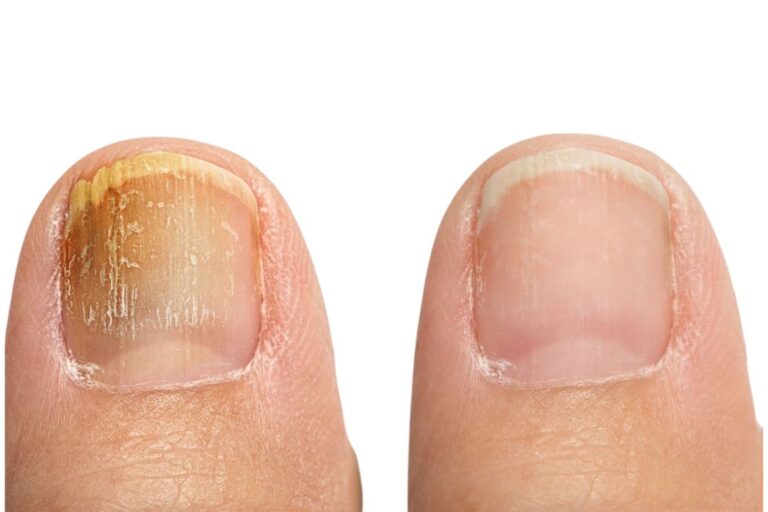

Navigating Candida Die-Off: Symptoms, Causes, and Natural Solutions
Candida is a type of yeast that naturally lives on the skin, mouth, genitals, and digestive tract. When kept in balance, it usually causes no harm. But under certain conditions—such as antibiotic use, high-sugar diets, stress, or a weakened immune system—Candida can overgrow and lead to various health issues.
Eliminating this overgrowth is essential, but it can sometimes cause uncomfortable symptoms known as Candida die-off or the Herxheimer reaction. Understanding and managing this temporary reaction is key to successful long-term recovery.
What Exactly Is Candida Die-Off?
Candida die-off is the body’s response to the rapid destruction of Candida yeast cells. When antifungal treatments—whether natural or pharmaceutical—begin killing these organisms, they release toxins such as acetaldehyde, ethanol, uric acid, and mycotoxins.
These substances can overwhelm your detox pathways, resulting in symptoms that may feel like your condition is worsening.
Common Die-Off Symptoms
If you’re new to the concept, read my full guide on Candida die-off symptoms. While these symptoms are typically short-lived and usually resolve within a week, they can persist longer in more chronic cases.
The Science Behind the Reaction
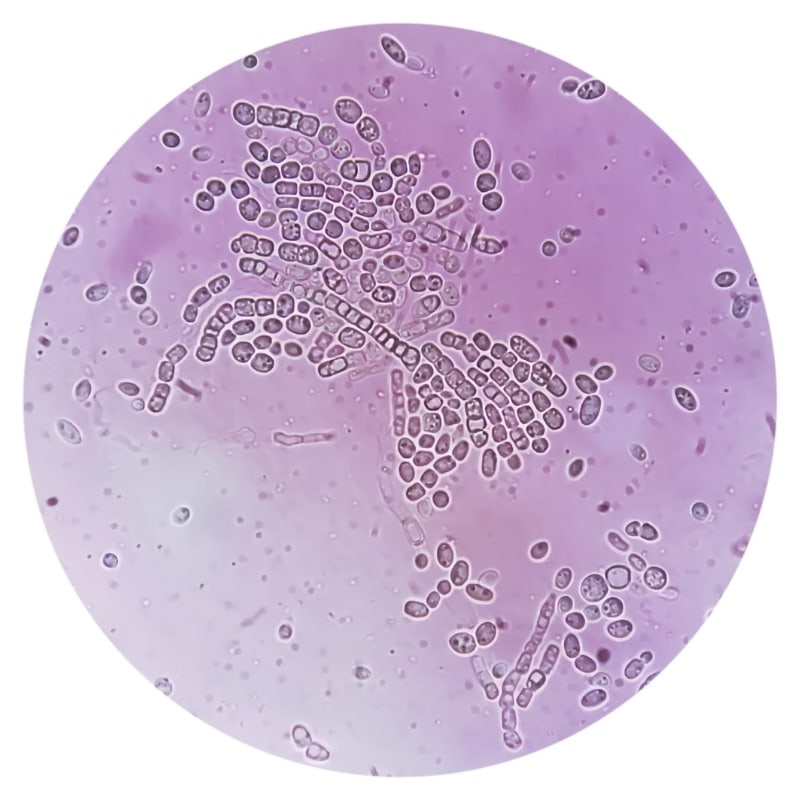
Candida albicans, the most common pathogenic strain, has a complicated cell structure. When it dies, its inner components—including lipopolysaccharides and mycotoxins—stimulate an immune response.
Your body sees these foreign substances as threats and responds with inflammation, cytokine release, oxidative stress, and histamine elevation, all chemical triggers released by your immune system.
The result? A detox response that can mimic an allergic reaction or viral illness, and you may feel terrible.
Candida Die-Off vs. Candida Symptoms
It’s easy to confuse the symptoms of die-off with those of active Candida infection. Here’s how they differ:
Candida Overgrowth or Infection Symptoms
Die-Off Symptoms
Factors That Influence Die-Off Severity
Some people breeze through a Candida cleanse. Others feel like they’ve been hit by a truck. Why?
Individual Factors Include:
How Long Does Candida Die-Off Last?
Die-off symptoms usually appear within a few hours to a couple of days after starting treatment and may last from 3 days to 2 weeks. If symptoms persist longer or are severe, consult your healthcare provider—it could indicate another underlying issue.
Tips to Reduce Candida Die-Off Symptoms
You don’t have to suffer through the worst of it. Here are natural strategies that can help ease the detox load and reduce inflammation:
Go Slow and Steady
Support Detox Pathways
Strengthen Your Gut Microbiome
Adjust Your Diet
Stay Hydrated
Is It Die-Off or a Drug Side Effect?
Not all symptoms are caused by Candida toxins. Antifungal medications themselves can cause side effects. These may include:
How to Tell the Difference
When or if in doubt, always consult your health care professional.
Preventing Die-Off Before It Starts
The best way to avoid a severe die-off reaction is to prepare your body in advance. A Candida cleanse like the Ultimate Candida Cleanse Program can work wonders by opening detox channels before antifungal treatment begins.
Preparation Steps That Help:
Testing and Monitoring Your Gut
If you’re unsure about what’s happening in your gut, a comprehensive stool test can identify overgrowth levels, bacterial imbalances, parasites, and inflammation. This can help personalize your treatment and ensure your protocol is hitting the right targets.
Natural vs. Prescription Antifungals
Both approaches have pros and cons. Prescription options like fluconazole and nystatin are powerful but may come with side effects. Natural antifungals like oregano oil, garlic, berberine, and caprylic acid tend to be gentler but require more time and consistency.
Consider the Following When Choosing:
For many, a combined approach works best: starting with natural support, assessing progress, and escalating to prescriptions only if needed.
Final Thoughts: Healing Takes Time—Be Gentle With Yourself!
Candida die-off can be a sign your cleanse protocol is working, not failing. However, you don’t have to suffer unnecessarily. With proper planning, gradual treatment, detox support, and the right guidance, you can ease the symptoms and stay on track.
Don’t forget—Candida is stubborn, but so are you! Healing the gut and rebalancing your microbiome is a journey. And every step you take gets you closer to lasting relief.
Key Take-Aways

Ultimate Candida Cleanse System
Beat Candida naturally with the complete, science-based system created by naturopath Eric Bakker, N.D. This all-in-one package gives you two downloadable guidebooks plus the Yeastrix Gut Restore Kit — three targeted professional formulas that work together to reset your gut, restore balance, and rebuild healthy digestion.
You get a structured, step-by-step program, professional clinical guidance, and supplements designed to support each stage of recovery. No guesswork. No confusing protocols. Just a clear roadmap and the right tools to help you finally reduce symptoms, rebalance your microbiome, and feel like yourself again. The Ultimate Candida Cleanse System is everything you need to make real progress — naturally, safely, and effectively.

Eric Bakker N.D.
Greetings! I am a naturopathic physician from New Zealand. Although I’ve retired from clinical practice since 2019 after 34 years of clinic. I remain passionate about helping people improve their lives. You’ll find I’m active online with a focus on natural health and wellbeing education through my Facebook page, Reddit page and YouTube channel, including this website.