

The 7 Best Tips on Improving Digestive Health
Here are several of the best tips when it comes to eating and digestive health. It’s not just what kind of foods we eat, it’s also how we eat. Here are some of my favourite tips I would often mention to patients who came to our clinic.
By embracing a holistic approach to our nutrition, we not only nourish our body but also cultivate a deeper connection with the foods we consume, appreciating their role in promoting overall well-being. Let’s look at seven golden tips, let’s the basics right first.

1. Add Fermented Food To Your Diet Before Taking Probiotics
After our clinic started delving into research of cultured foods way back before Google in the 1980s, it became clear that incorporating these nutritional probiotic powerhouses into our daily routine is a logical starting point before committing to any probiotic regimen. This was in an era when probiotic supplements were seen as “crazy” because they were after all, bacteria.
It makes more sense if we incorporate prebiotic foods into our diet that enhance the growth of beneficial bacteria further. There is little benefit however in eating yogurt in the morning, and then later in the day drinking soda or alcohol every night. What’s the point?
Fermented foods are diverse group of foods ranging from yogurt, kefir, and kombucha to tempeh, fermented coconut water, miso, and soy, among others. Rich in beneficial bacteria such as Lactobacillus and Bifidobacterium, they also furnish our body with lactic acid, a vital sustenance for fostering the growth of beneficial bacteria like Lactobacillus. (Soemarie et al., 2021)
The early introduction of fermented foods in the diet has been supposed to lessen children desire to over-consume sweet foods (Bell et al., 2017). Studies have found that sugar preference may be tied to the bacteria in the gut and children get their gut microbiota from the early stage of their life.
Start With A Small Portion Daily
Starting your journey of fermented foods can commence with the simple inclusion of a modest portion, around three to four tablespoons, of natural yogurt into your daily intake. We recommend caution when buying yogurt, as not all yogurt varieties are created equal; some are commercial varieties are laden with artificial sugars, high fructose corn syrup, and some even lack the beneficial bacteria crucial for your health.
Personally, we’ve always recommended and consumed plain Greek yogurt, and interestingly, only recent studies have found that Greek yogurts have higher bacteria counts than most other types of yogurt. (Mjaaseth et al., 2020)
Prioritise reading labels carefully when shopping for yogurt, and when in doubt, opt for yogurt sourced from organic wholefood suppliers in health food stores rather than relying on generic supermarket brands. Certified organic food suppliers prioritise consumer well-being over their profit margins, ensuring that you receive high-quality and clean foods that truly promote health.
Furthermore, integrating fermented foods into your diet offers an array of benefits beyond merely supplementing with probiotics. These foods not only aid in digestion and support gut health but also contribute to bolstering our immune system health, improving nutrient absorption, and even enhancing mood and mental clarity. (Leeuwendaal et al., 2022)

2. Don’t Be In A Hurry When Adding Fibre To You Diet
It’s sad but true that individuals in Western societies typically ingest a fraction of the fiber consumed by those in less developed regions, leading to a host of problems like constipation.
Consumption of ultra-processed foods lacking in fibre is not natural. We did not evolve to adopt this dietary maladaptive behaviour and neither did our gut flora. (Barber et al., 2020)
In a 2013 Food and Health Survey by the International Food Information Council, findings revealed that 62% of respondents are actively increasing their fiber intake through consuming more fruits and vegetables (88%) and incorporating more whole grains into their diets (78%).
Interestingly, another study by the International Food Information Council suggests that 67% of people believe they meet their daily fibre requirements. However, this contrasts with data from the 2009-2010 survey, which indicates only about 5% achieve adequate fiber intake.
Throughout my years of practice, I’ve encountered numerous patients who surprisingly consume minimal quantities of fruits and vegetables, often opting for frozen fruits or vegetables for convenience. Fresh is always best, but frozen is better than processed produce.
Gradually integrating high-fibre into your diet is a good step towards promoting digestive health. Although fruits and vegetables are brimming with essential soluble and insoluble fiber, but it’s best to slowly add increasing amounts of these foods to your diet
New evidence suggests that increased dietary fibre consumption can positively influence our health by positively altering the gut microbiota. (Cronin et al., 2021)
Increasing our dietary-fibre intake is best approached with a little care and patience. As I often advocate, take it easy when initiating any dietary changes to avoid overwhelming our digestive system.
To begin, introduce small portions of fiber-rich foods such as beans, lentils, and raw or lightly cooked vegetables into your meals. Gradually increase these additions over a two-week period until they constitute a bigger part of your diet than before. Our recommended Cleansing Diet is the perfect time to step-up your dietary fibre intake.
Soluble and Insoluble Fibre
If your goal is to reduce appetite, shed excess weight, and improve bowel regularity, then prioritise soluble fiber sources. These include succulent fruits like pears, oranges, and strawberries, along with fiber-packed vegetables such as carrots and cucumber. Soluble fiber swells in the stomach, imparting a sense of fullness and curbing overeating and unnecessary snacking.
For those aiming to boost bowel bulk and stimulate bowel movements, insoluble fiber is key. Incorporate foods like brown rice, leafy greens, and chia seeds into your meals to encourage healthy bowel function and regularity.
The best way to minimise gas and bloating while nurturing beneficial gut bacteria calls for a combination of fermented and prebiotic-rich foods. Prebiotics, the nourishing sugars that fuel probiotics, can be found in Jerusalem artichokes, and various allium vegetables like onions, spring onions, garlic, and leeks. By increasing a diverse array of these vegetables, you’ll be promoting a flourishing gut microbiome and sustain great digestive health

3. Sugar and Fat Can Be Irresistible in Our Diet
The cravings are irresistible and impossible to ignore, so you get up, head to the kitchen, open the fridge or pantry, and contemplate. Despite trying to remind yourself to choose a healthy option like fruit or protein, you can’t help but be drawn to the potato chips and cookies. It happens to all of us.
You’re not the only one who finds fats and sugars irresistible at times. According to a recent study in Cell Metabolism, researchers from the Monell Chemical Senses Center discovered two distinct pathways in our bodies that trigger cravings for fat and sugar. These pathways activate our brain’s dopamine reward centers. Furthermore, the combination of these pathways seems to increase our appetite beyond normal. It’s a good idea therefore to identify the sources of sugar and fat in our diet, and to reduce them. (McDougle et al., 2024)
Reducing our intake of refined man-made sugar and saturated or hydrogenated fat is a straightforward yet impactful step towards optimising our diet and gut. Simply cutting back on foods rich in sugar and fat can yield significant benefits for our overall well-being.
Scrutinise All Food Labels
I recommend you start by carefully scrutinising all labels of processed foods to gauge their sugar and fat content, as these items often harbor hidden additives like artificial colors, flavors, and preservatives.
Taking control of your meals by preparing them at home using wholesome ingredients such as lean meats, whole grains, and fresh vegetables empowers you to regulate what goes into your body, free from the influence of distant factory processes.
By minimising our consumption of sugary and fatty foods, we not only enhance our digestion but also create a more favorable environment for nurturing beneficial bacteria in our microbiome.
Processed foods laden with sugars and fats can disrupt our gut microbiome and compromise our body’s ability to combat bacterial and Candida yeast overgrowth. By adopting a diet low in processed ingredients and rich in whole foods, fermented and antimicrobial foods and, we naturally promote a healthier digestive system and bolster our body’s natural defenses against microbial imbalances.

4. MOST Overlooked Habit is Water Consumption
Probably the most overlooked aspect of improving our overall health, especially our digestive health – is by drinking adequate water every day. Ensuring adequate hydration by drinking water is overlooked by many but is profoundly impactful on our overall health.
From experience after talking to many people in our clinic about water-drinking habits, I’ve found many struggle to prioritise this simple yet essential health habit. The benefits for digestion and well-being from drinking water every day are absolutely undeniable.
Increasing water intake is especially beneficial when concurrently incorporating more fibre into your diet, a point we just discussed. Fiber absorption relies on adequate hydration to facilitate smooth digestion and prevent discomfort. Therefore, it’s vital to complement your fiber-rich meals with ample water consumption.
For optimal digestive and microbiome health, it’s advisable to adopt a holistic approach that includes reducing our intake of sugary, salty, and fatty and processed foods while boosting our consumption of fruits, vegetables, whole grains, and fibre-rich foods. Pairing these dietary adjustments with a commitment to increased water intake can yield transformative results in as little as three weeks. Hydrating adequately can markedly improve the functionality of our digestive system, including key organs like the stomach, pancreas, and intestines. While scientific evidence may not conclusively prove that water directly aids digestion, anecdotal observations suggest a correlation between hydration and reduced digestive discomfort, particularly among individuals managing Candida related complex, IBS, IBD, or SIBO.
If you embrace these simple dietary changes, and you’ll most likely be pleasantly surprised by the profound positive impact they have on your recovery from any health problem, and on your quality of life.
National Prospective Study and Water Intake
A study from 2022 found that higher total water intake was associated with lower mortality risks due to all causes. This reduced risk of dying from other causes may be explained by the several health benefits of increased daily water intake, let’s look at a few supported by studies:
5. Eat Smaller Rather Than Larger Meals
Opting for smaller, more frequent meals throughout the day can be a game-changer in your journey to effectively combat Candida related complex or other gut-associated microbial issues like SIBO or IBS.
By transitioning from three large meals to several smaller ones, we alleviate the burden on our digestive system, allowing it to operate more efficiently, reducing the risk of discomfort such as bloating or indigestion immediately.
Smaller meal portions are easier for our body to digest, optimising the function of our digestive organs. To implement this strategy effectively, start by determining the ideal portion size for each meal based on your individual needs.
Smaller meals allow for better absorption of nutrients, ensuring your body receives the essential vitamins and minerals it needs for optimal health. You’ll likely chew your food better if you eat less of it, also ensuring better absorption of nutrients.
Establishing a consistent regular eating schedule enables our body to acclimate over time, we typically find this to be within two to three weeks.
Eating smaller meals throughout the day can help keep your metabolism active, promoting efficient calorie burning and nutrient absorption. You’ll find any food cravings will disappear if you eat smaller meals more regularly, especially if you eat good amounts of lean protein throughout the day. Many people benefit from eating their largest meal at lunch time, rather than later in the day, at supper time.
By embracing this approach, we not only support our digestive health by allowing a thriving microbiome, but also create a more hospitable environment for combatting Candida or SIBO overgrowth. Incorporating smaller, more frequent meals into our daily routine empowers our body to maintain balance and resilience against microbial invaders, fostering lasting wellness.
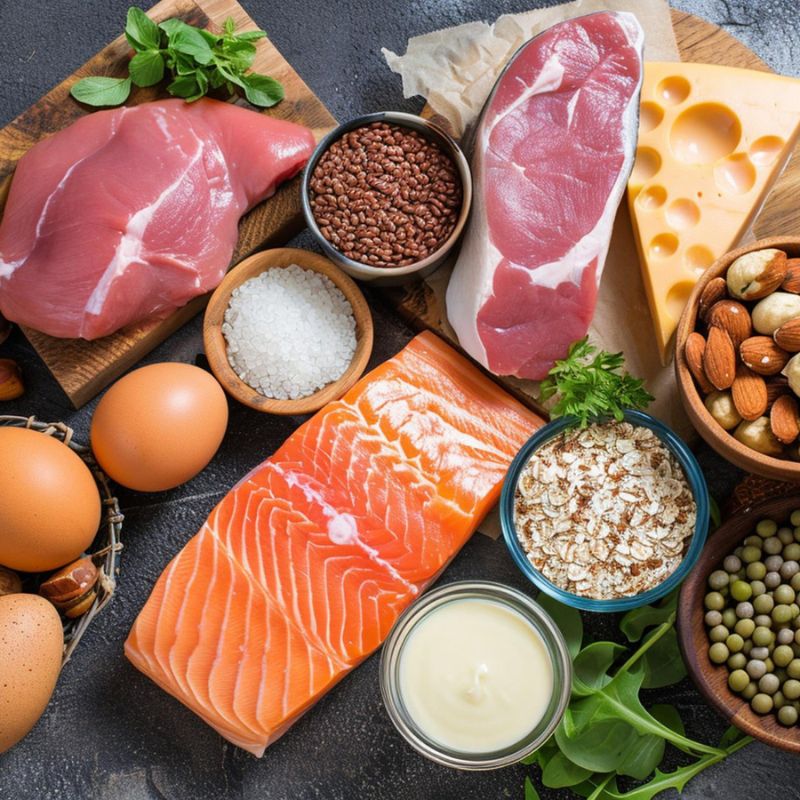
6. Eat Lean Protein Regularly
Consuming modest portions of lean protein is key to promoting digestive comfort and overall well-being. Visualizing the size of the palm of your hand serves as a helpful guide for determining an appropriate serving size of meat.
It’s a common observation that many of us who like eating meat tend to overindulge in it, resulting in unnecessarily large portion sizes. While protein is vital for optimal health, opting for smaller portions of lean animal protein can reduce the risk of digestive discomfort such as heartburn, constipation, bloating, or gas.
Lean protein sources are not only easier on the digestive system but also tend to be quicker to digest compared to meats with a higher fat content.
When choosing meat, look for higher protein-to-fat ratio, lean cuts of meat provide a higher proportion of protein relative to fat content. Protein is essential for muscle repair, growth, and overall health, making lean meats a valuable source of first-class protein (contains all the amino acids we need).
Lean meats are often richer in essential nutrients such as iron, zinc, and B vitamins compared to fattier cuts. Choosing leaner cuts ensures you receive these nutrients without excess saturated fat.
By prioritising lean cuts of meat, we support efficient digestion, ensuring our body can readily access the nutrients it needs without undue stress on our digestive organs such as our liver and gallbladder.
By making mindful choices about portion sizes and selecting leaner cuts of meat, we empower our body to thrive without being under burden of digestive distress.
7. Chewing Foods Really Well
Slowing down and chewing your food properly may seem like simple advice, but its impact on your digestive health is profound, and there are several important reasons we’ll discuss why. It’s vital we get the basics right first, a point we highlighted earlier with drinking more water each day.
The digestive process starts with the act of chewing. The more we chew our foods and break them down to the smallest particle size, the easier our digestive processes will be, and our eliminations. Your digestive system will also have faster access to those vital nutrients locked up in the foods you chew very well, as opposed to foods mindlessly munched in front on a mobile phone or other screen.
One overlooked problem with swallowing foods partially chewed, is that partially chewing food leads to swallowing food of large particle size.
Studies have found that food not properly broken down to small particle size before entering the esophagus can remain in the stomach and small intestine environment longer than it should, leading to the growth and development of unwanted levels of micro-organisms.
Chewing Carbohydrates
The other natural occurrence with chewing food is the act of chewing prepares our stomach to receive the food by stimulating the stomach. Chewing also stimulates the release of digestive enzymes in our mouth called amylase, responsible for the first breakdown stage of complex carbohydrates. It is only by chewing that we release amylase in our saliva, allowing us to enjoy the sweet flavours of many fruits and vegetables.
Chewing Proteins
While it’s essential to chew all foods well, it’s particularly important to take our time with proteins, whether they be animal or plant-based protein foods. By chewing proteins slowly and more thoroughly, we initiate the digestive process and stimulate the release of digestive enzymes and acids in our stomach and small intestine (the duodenum). It is very important to chew any meat really well, this will allow the stomach to do its job properly and break down the protein to allow the duodenum to complete the job.
Your Chewing Experiment
I encourage you to conduct a simple experiment, time how long it takes you to finish a meal, then strive to double that duration. A good amount of chewing each mouthful is anywhere from 20 to 50 times each mouthful of food.
By chewing your food more slowly and thoroughly, you activate your vagus nerve, bolstering your parasympathetic nervous system. This heightened activation promotes an optimal production of saliva, facilitates smooth food and stool motility through our gut, and relaxes different sphincter muscles for easier swallowing, digestion, including elimination.
In essence, slowing down and chewing your food mindfully can significantly improve digestive function and overall well-being with very little effort and no cost.
Many of the patients who came to our clinic have attested to the transformative effects of this one single tip, reaffirming the wisdom of basic digestive processes.
Regardless of all the tech advancements the past ten years, let’s not forget the most fundamental principles that nurture our health and vitality – chewing food well and drinking fresh water.
Chewing Slowly Better for Weight Management
Horace Fletcher (1849–1919), aka the great masticator, discovered a century ago that thoroughly chewing food could prevent weight gain, and he shared this strategy globally. (Christen 1997)
Several follow-up studies since are finding that slow eating, which involves chewing food slowly and thoroughly, is an effective strategy for controlling appetite in order to avoid being overweight or obese.

Chewing Food And Tech Distraction
Years ago, when studying stress, I learned that chewing our food well is a mindful approach towards eating because chewing stimulates our parasympathetic nervous system. In today’s fast-paced and high-tech world, many of us rush through meals, barely taking the time to chew, let alone smell, taste, and really enjoy the foods we consume.
Consider this, well over half of all people today consume their meals in front of screens, often wide-screen television, or mobile phone, distracted by various forms of entertainment.
It’s hard to expect to properly digest our food if our attention is diverted elsewhere. To me, it’s like texting a friend a message while driving a motor vehicle on the highway at speed, inherently risky endeavor. It’s hard to concentrate on both, as they both require our full attention like chewing food does.
In one study from 20 years ago, up to a third of daily energy intake and half of meals were consumed in front of a screen. (Matheson et al., 2004)
In a later study from 2022, it has climbed to a staggering 89% of people who are exposed to some form screen entertainment during meals, especially children and adolescents. There was also an association between high screen time and low time spent on performing physical activity. (Roca et al., 2022)
Chewing and Parasympathetic Nervous System
Another study, conducted in 2012, shed light on the remarkable benefits of chewing gum before and after abdominal surgery.
Patients who chewed gum experienced a significant reduction in inflammation in their digestive systems, attributed to the activation of their parasympathetic nervous system.
By stimulating the vagus nerve through chewing, those studied enjoyed enhanced postoperative recovery with decreased infection risk, pain, and inflammation, a remarkable outcome achieved through such a simple act. Ge et al., 2015)
Thanks for reading this post, please leave any comment or suggestion below, especially any tips you feel may be of help to others!

Ultimate Candida Cleanse System
Beat Candida naturally with the complete, science-based system created by naturopath Eric Bakker, N.D. This all-in-one package gives you two downloadable guidebooks plus the Yeastrix Gut Restore Kit — three targeted professional formulas that work together to reset your gut, restore balance, and rebuild healthy digestion.
You get a structured, step-by-step program, professional clinical guidance, and supplements designed to support each stage of recovery. No guesswork. No confusing protocols. Just a clear roadmap and the right tools to help you finally reduce symptoms, rebalance your microbiome, and feel like yourself again. The Ultimate Candida Cleanse System is everything you need to make real progress — naturally, safely, and effectively.

Eric Bakker N.D.
Greetings! I am a naturopathic physician from New Zealand. Although I’ve retired from clinical practice since 2019 after 34 years of clinic. I remain passionate about helping people improve their lives. You’ll find I’m active online with a focus on natural health and wellbeing education through my Facebook page, Reddit page and YouTube channel, including this website.


