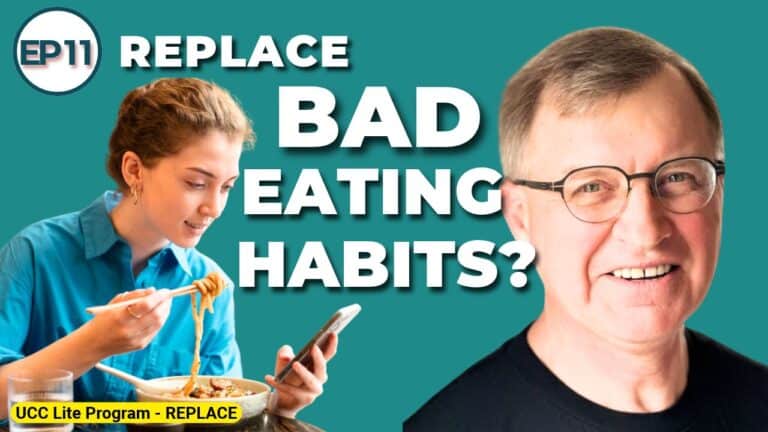
What to Eat, What to Pause and Smart Food Swaps
What You’ll Learn
In this lesson, you’ll discover:
- Which foods to emphasise during Stage 2 – REPLACE.
- Which foods may be worth reducing temporarily.
- How to make practical food swaps.
- Why protein, healthy fats and whole-food carbohydrates matter.
- How to monitor your digestive progress without becoming obsessive.
Lesson # 10 of 20
1. Stop Looking For The “Perfect” Diet!
I’ve discovered through clinical work that one of the biggest problems people encounter when improving their gut health is confusion about food and what to eat. They read conflicting advice, eliminate more foods and become increasingly worried about what they can eat. M<any are looking for the ultimate or perfect diet. It doesn’t exist.
Let’s simplify things. Stage 2 – REPLACE is not about creating a perfect diet or labelling every food as good or bad. It’s about choosing nourishing foods, supporting digestion and making sensible adjustments based on your individual tolerance. Think of this as diet and nutrition guidance rather than a list of permanent Yes and No” food rules.
2. Fruits and Vegetables to Emphasise
Fruits and vegetables provide fibre, vitamins, minerals and beneficial plant compounds. During this second stage, concentrate on different fruits and vegetables your gut can tolerate and that you digest comfortably. Try to include a variety of fresh fruits and vegetables in your diet daily. Good options to consider include:
If you experience bloating or have a sensitive gut, steamed, baked, or cooked vegetables may be easier to tolerate than large raw salads. Start with comfortable portions and gradually increase variety.
3. Quality Lean Protein
Protein is important for maintaining muscle, supporting tissue repair and providing essential amino acids. Try to include a suitable protein source with your main meals. The emphasis is more on straightforward cuts of fresh meat rather than heavily processed meats such as salami, sausage, and bacon.
Best options include:
4. Don’t Forget Healthy Fats
Most people tend to talk about carbohydrate and protein sources in their diet, but tend to forget the fats. Fats in our diet are important for normal health, they help to build healthy cell function and fat-soluble vitamins A, D, E, and K.
Some of the best sources include:
You don’t need to eliminate fats from your diet to improve your digestion. Focus on sensible amounts and the sources of foods that contain healthy fats that best suit you.
5.Don’t Fear Whole-Food Carbohydrates
Carbohydrates are not automatically bad for people with Candida, SIBO or IBS. I’ve found that many people still fear all kinds of carbohydrates in their diet, especially, wheat, but also potato, pumpkin, sweet potato and many whole grains. Our body uses carbohydrates as an important energy source, and it’s important to know that everybody’s ability to tolerate carbohydrates reacts differently to various forms of carbohydrates.
Some of the best carbohydrate options may include:
Portions and individual tolerance matter. If you experience bloating with particular foods, adjust the amount or preparation rather than automatically eliminating all carbohydrates.rything out of your kitchen overnight. Start by replacing one or two regularly consumed products with simpler alternatives.
6. Foods to Reduce or Stop
There are some foods definitely worth reducing while you improve your eating habits and assess your gut function and ability to tolerate different foods.
I recommend you consider limiting these foods as much as possible:
You don’t need to eliminate every food on this list. The main aim is to identify what causes problems for you and make sensible adjustments. A food that suits one person may not suit another.
7. Ten Smart Food Swaps
It’s learning how to swap out certain processed snacks you might be eating, making these small changes can make everyday eating so much healthier.
Try these practical substitutions:
- Protein bars → Eggs, yoghurt if tolerated, or a simple whole-food meal.
- Sugary breakfast cereal → Plain oats or eggs.
- Packaged snacks → A piece of fruit, some dried nuts or another suitable whole-food snack.
- Large raw salads → Steamed or cooked vegetables.
- Packaged sauces → Olive oil, herbs and lemon.
- Sweetened drinks → Water or unsweetened alternatives.
- Sugary yoghurt → Plain unsweetened yoghurt and add fresh berries.
- Packaged or frozen ready meals → Simple home-cooked meals.
- Refined snack crackers → Whole-food cracker alternatives.
- Frequent grazing → Regular meals & meals higher in protein to sustain blood sugar levels.
8. Support Digestion and Track Progress
Remember, it’s not just what you eat. It’s also how well you digest and tolerate your food. Watch your progress over several days rather than judging every meal. Start with the basics:
Many people in their 50s and 60s may also benefit from digestive enzyme support. Yeastrix Active Enzymes is one option designed to assist the breakdown of proteins, fats and carbohydrates.
Those who take digestive enzymes often notice:
I’ve often noticed in my clinic that these small improvements are well worth recognising. They can be sign posts to better health and wellbeing.
Key Points
- Stage 2 – REPLACE is about food quality, not dietary restrictions or the “perfect” diet.
- Emphasise fruits, vegetables, legumes, quality protein and healthy fats.
- Include suitable whole-food carbohydrates rather than fearing all carbohydrates.
- Reduce highly processed foods and any foods or drinks that consistently aggravate symptoms.
- Make simple food swaps rather than a complete diet overhaul overnight. Stay consistent with healthy choices.
- Eat slowly, chew thoroughly and maintain regular meal habits.
- Monitor your overall digestive progress without becoming obsessed with individual foods.
Lesson 10 – Practical Action Steps
I’ve always told patients to not aim for perfection. Build a way of eating that nourishes you, supports your digestion and is totally realistic to maintain long-term. Stage 2 is all about refining and adopting long-term healthy eating habits, whereas Stage 3 is about building and maintaining gut resilience.
Start Here
At Your Own Pace
What Comes Next?
In Lesson 11, I’ll be explaining how to fine-tune Stage 2 – REPLACE.
We’ll discuss how to recognise certain food patterns, make adjustments when necessary and build confidence in your everyday food choices without becoming obsessed with symptoms or dietary rules.
The aim is to develop a healthier relationship with food while at the same time continuing to strengthen your gut.
Stage 1 Related Resources
Explore the REMOVE diet, nutrition and recipes.
VIEW Stage 1 REMOVE DIET & RECIPES →

Eric Bakker N.D.
Greetings! I am a naturopathic physician from New Zealand. Although I’ve retired from clinical practice since 2019 after 34 years of clinic. I remain passionate about helping people improve their lives. You’ll find I’m active online with a focus on natural health and wellbeing education through my Facebook page, Reddit page and YouTube channel, including this website.