
Immune Function

Understanding Immune Function
Our immune system plays an incredibly important role in defending our body against pathogens, harmful chemicals, and cell changes that could make you ill. It is a complex system composed of many kinds of cells, organs, and proteins. When we are healthy, we never give a thought about our immune system’s function. However, if our immune system becomes weakened or unable to fight off harmful bacteria, fungi, or viruses, illness can strike quickly.
We can also fall ill from microorganisms our body has never encountered before, which often happens when people travel. Some germs only cause illness upon first exposure, such as childhood diseases like chicken pox.
Your Immune System

The immune system is our body’s primary defence against pathogens, toxins, and harmful cellular changes. It consists of a complex network of cells, proteins, and organs that work together to protect us from illness like Candida overgrowth, and many other kinds of imbalances.
However, when the immune system is compromised, infections and chronic conditions can take hold. Some people may overlook the crucial link between gut health and immune function. Our gut houses more than 70% of our immune system, and an imbalanced microbiome can weaken immune responses (Wiertsema et al., 2021).ayer in immune regulation.
Understanding Immune Function and Gut Health
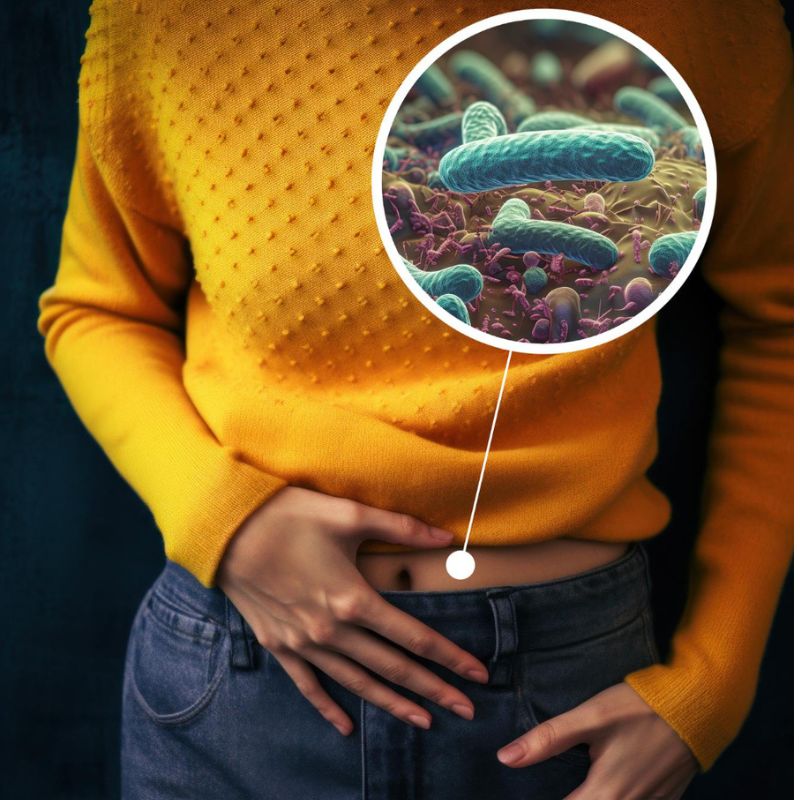
Our gut microbiome, a diverse community of bacteria, fungi (including Candida albicans), and other micro-organisms, directly influences our immune responses.
Our immune system plays an essential role in protecting us from harmful microorganisms, toxins, and other environmental threats. It is a complex network involving cells, proteins, and organs that work together to keep us healthy.
However, a compromised immune system can make us more susceptible to infections, including Candida overgrowth, SIBO), irritable bowel syndrome (IBS), and inflammatory bowel disease (IBD) (Zhao et al., 2023).
A strong immune system depends on multiple factors, including diet, lifestyle, and toxic exposure. These influences also impact gut health, which plays a significant role in immune function.
When the gut microbiota is disturbed and becomes imbalanced, whether through poor diet, stress, or environmental toxins—it can contribute to chronic imbalance leading to infections, including Candida overgrowth and bacterial imbalances (Hrncir 2022).
Candida Overgrowth and Immune Dysregulation

Candida overgrowth occurs when the immune system is unable to keep this opportunistic yeast in check.
A weakened immune response—often due to poor diet, chronic stress, antibiotic overuse, or toxin exposure—allows Candida to proliferate, leading to symptoms such as fatigue, digestive disturbances, brain fog, and recurring infections.
The gut microbiome plays a significant role in immune regulation, and imbalances in beneficial bacteria can further weaken immune defences, making it easier for Candida to take hold.
Restoring immune-balance involves a multi-faceted approach. Reducing sugar intake is critical since Candida thrives on sugar and processed carbohydrates.
Supporting gut microbiome diversity with probiotics and prebiotics helps re-establish balance, while targeted antifungal therapies can help eliminate excess Candida. Additionally, nutrients such as vitamin D, zinc, and glutamine play essential roles in immune function and gut lining integrity, helping to rebuild defences and preventing leaky gut and recurrent infections.
If for some reason an individual has a weakened immune system, they may struggle to keep Candida overgrowth in check, creating a vicious cycle of overgrowth and inflammation. This is particularly problematic for people with conditions like IBS, SIBO, or IBD, where gut dysbiosis may already exist (Banaszak et al., 2023).
Key Take-Away
To break this cycle, consider the following actions:
By taking a comprehensive diet and lifestyle approach that supports both immune function and gut health, it’s possible to restore balance, prevent recurrent Candida overgrowth, and enhance overall well-being.
SIBO and Immune Dysregulation
SIBO occurs when bacteria migrate from the large intestine to the small intestine, leading to bloating, gas, diarrhea, or constipation. This overgrowth can:
Managing SIBO requires a targeted approach:
IBS, IBD, and the Overactive Immune System
IBS and IBD (including Crohn’s disease and ulcerative colitis) involve gut inflammation and immune dysfunction. While IBS is often linked to dysbiosis and food sensitivities, IBD is an autoimmune condition where the immune system mistakenly attacks the gut lining.
For both conditions, immune modulation is key. This means:
Three Key Influences on Immune Function
While there are potentially many reasons our immune system fails us, there are three basic influences on our immune function. Our diet, our lifestyle, and our body’s total toxic load.
Let’s look at these briefly:

1 – Diet and Nutrition
Diet and Nutrition: The Foundation of Immune Health
Your diet is a foundational pillar of immune health. The immune system requires a steady supply of nutrients such as vitamins A, B6, C, and E, along with essential minerals like zinc, copper, iron, and selenium to function optimally.
However, if you suffer from gut dysbiosis, Candida overgrowth, or SIBO, your body’s ability to absorb these nutrients may be compromised. Leaky gut syndrome, a condition where the gut lining becomes permeable, can further weaken immune defenses by allowing undigested food particles and toxins into the bloodstream, triggering inflammation.
To support both your immune system and gut health, focus on:
Proper nutrition is vital for a healthy immune system. Essential vitamins such as A, B6, C, and E, along with minerals like zinc, copper, iron, and selenium, support immune function and gut integrity. Deficiencies in these nutrients can weaken immune defences and increase susceptibility to infections like Candida and SIBO.
Additionally, junk food, ultra-processed foods, refined sugars, and artificial additives can disrupt the gut microbiome, leading to inflammation and immune dysfunction. A whole-foods diet rich in fibre, healthy fats, and probiotic-rich foods helps maintain a balanced gut, reducing the likelihood of Candida yeast overgrowth and bacterial imbalances.

2 – Lifestyle
The Impact of Stress on Immunity and Gut Health
Chronic stress is a silent immune suppressant. Stress triggers the release of cortisol, a hormone that can weaken immune defenses when elevated for long periods. Many individuals with recurrent Candida infections, IBS, or IBD experience worsened symptoms during stressful periods, highlighting the mind-gut-immune connection.
To manage stress effectively:
Chronic stress negatively affects both immune function and gut health. Stress triggers the release of cortisol, which, in excess, suppresses the immune system and alters the gut microbiome. This disruption can lead to an increased risk of Candida overgrowth, SIBO, and inflammatory gut conditions like IBS and IBD.
Managing stress through relaxation techniques, proper sleep, breathing exercises, and lifestyle adjustments can improve immune responses and restore gut balance. Adaptogenic herbs, mindfulness practices, and moderate exercise also help regulate stress hormones, supporting overall health.

3 – Toxic Load
Toxins and Their Role in Immune Dysfunction
The toxic burden on the immune system is often underestimated. We are exposed to environmental pollutants, food additives, pesticides, and heavy metals daily. Over time, these toxins accumulate in the body, leading to immune dysregulation. Additionally, certain chemicals act as immune disruptors, altering normal immune responses and increasing susceptibility to chronic infections.
Over time, these toxins accumulate, weakening immune defences and promoting gut dysbiosis. Then there are the naturally occurring toxins found in our foods, such as bacteria, viruses, and mycotoxins produced by fungi.
The gut plays a major role in detoxification. Beneficial bacteria help break down toxins, while the liver and intestines work to eliminate them. However, an imbalanced gut—due to Candida overgrowth, SIBO, or a poor diet—can impair these processes, allowing toxins to recirculate in the body.
Reducing exposure to toxins by choosing organic foods, filtering water, and avoiding synthetic chemicals can support both gut health and immune resilience.
Ways to reduce our toxic load:
Strengthening Our Immune System For Long-Term Health
A holistic approach to immune health focuses on improving gut function, reducing stress, and minimising toxic exposure. In addition to dietary and lifestyle changes, supplements like medicinal mushrooms, omega-3 fatty acids, and even green tea can enhance immune resilience.
By taking proactive steps, we can create an environment where our immune system functions optimally, reducing the risk of chronic infections, including Candida, SIBO, and many inflammatory gut and general conditions, including auto-immune disease (Christovich et al., 2022).
Key Takeaways
Taking care of the gut means taking care of the immune system. A well-functioning digestive system supports long-term health and reduces the risk of chronic infections and inflammatory conditions.
By focusing on gut health, reducing toxic burden, and maintaining a balanced lifestyle, we can optimise our immune system’s ability to fight infections and prevent chronic health issues. Strengthening our gut isn’t just about digestion—it’s about building a resilient immune system that protects us for many years to come.