
Candida Cleanse Supplements
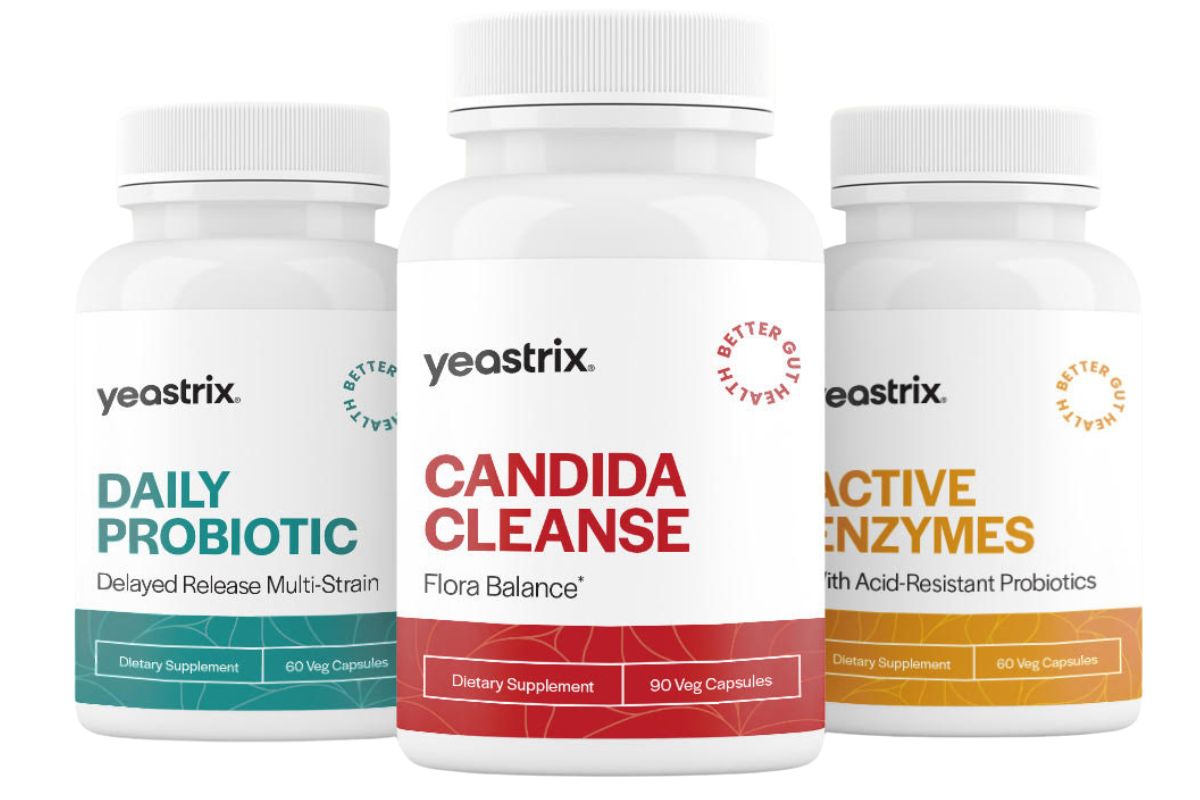
Best Candida Supplements: What Works & Why
Candida albicans, a naturally occurring yeast in the human body, can lead to health issues when it grows excessively. Factors such as ultra-processed food, diets high in refined sugar & alcohol antibiotic use, stress, weight gain, and weakened immune systems can trigger a fungal overgrowth, resulting in infections, digestive disturbances, fatigue, and many other conditions.
Effectively managing Candida overgrowth necessitates a comprehensive strategy that encompasses dietary adjustments, lifestyle modifications, and targeted supplementation. This blog post delves into the most potent Candida cleanse supplements that combat Candida overgrowth, restore gut equilibrium, and enhance overall health and wellbeing.
Candida Cleanse Supplements for Candida Overgrowth
Incorporating specific supplements can aid in reducing Candida populations and biofilm production, as well as restoring gut microbial balance.
Below are categories of specialised dietary supplements with their respective benefits we recommend:
1 – Antifungal Supplements – Target Candida Overgrowth
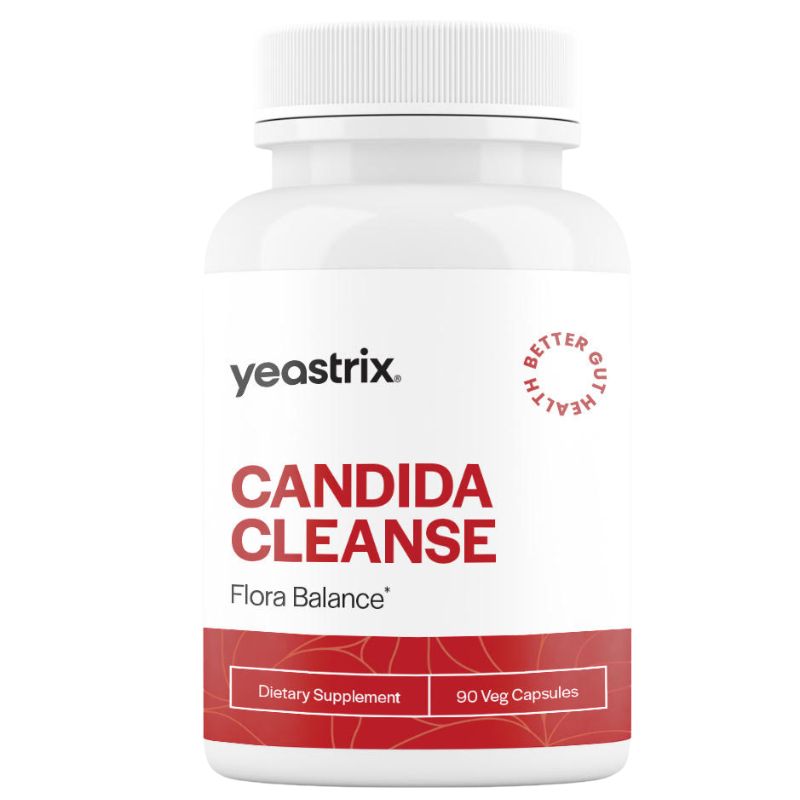
Antifungal natural medicines are one of the most important supplements to take where Candida overgrowth is concerned. Candida albicans is a resilient fungi that can firmly adhere to intestinal walls, making it a challenging and formidable opponent to eliminate.
Candida has developed several key survival strategies that make it hard for our immune system to detect and eliminate.
While prescription antifungal drugs are available through the medical treatment of Candida, most come with undesirable side effects, are inclined to create antifungal drug resistance, and have virtually no effect on Candida biofilms (Taff et al., 2013), (Hossain et al., 2022) .
Plant-based Candida cleanse supplements are not linked with creating fungal resistance. They and are essential in disrupting the protective biofilms Candida forms, thereby empowering the immune system to eradicate a Candida overgrowth more effectively (Shariati et al., 2022).
Moreover, the structural similarities between fungal cells and human cells make it difficult to target Candida without affecting our body’s own cells when it comes to prescribed medications (Santos et al., 2018). Consequently, plant-based antifungal supplements are increasingly being preferred for their efficacy and safety in managing Candida overgrowth.
Before we take antifungal dietary supplements, an important consideration is this: Can we enhance our diet first with any foods, herbs, or spices, that have an antifungal and/or antibacterial effect?
Actually….we can. Let’s look at this right now:
The Best Antifungal Foods, Herbs, and Spices
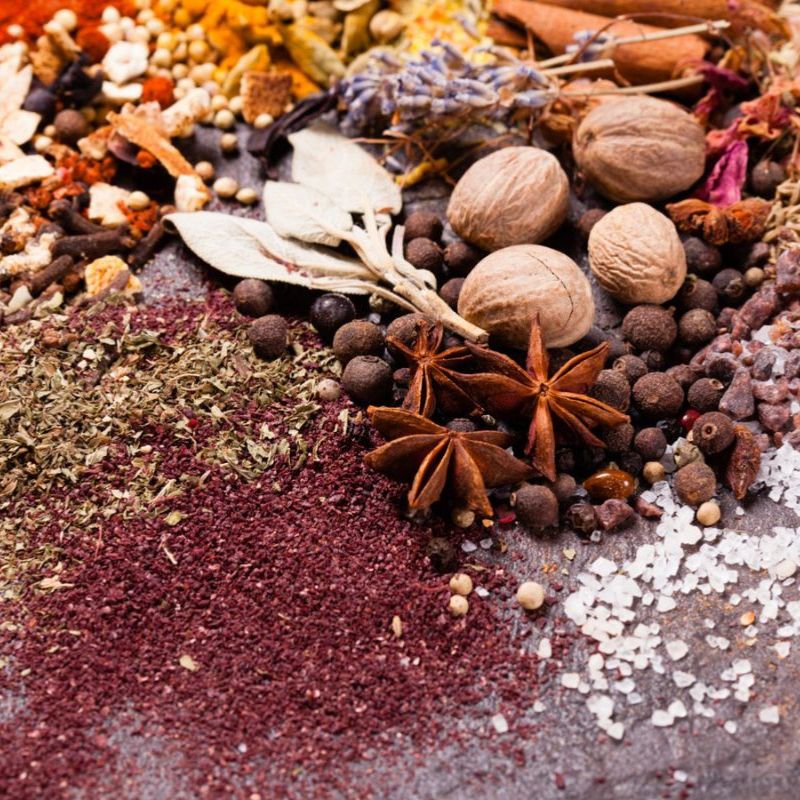
The following natural agents not only help in combating fungal infections but also contribute to developing a more balanced and diverse gut microbiome, which is essential for optimal digestion, effective immunity, and high-level health.
It’s not just about taking Candida cleanse supplements, incorporating natural antifungal foods, herbs, and spices into our daily diet can significantly bolster our body’s defence against Candida overgrowth and support overall gut health and vitality.
Potent Natural Antifungal Agents
Several foods, herbs, and spices are renowned for their antifungal and antibacterial properties, and many can even be seamlessly integrated into your daily food.
Here’s a few of the most effective dietary choices:
Integrating these foods and herbs into our diet not only enhances flavour but also provides us with natural means to combat fungal infections. And, if required, we can effectively take antifungal supplements including our diet to facilitate our Candida cleanse.
The Power of Combining Antimicrobial Foods, Herbs, and Spices

Utilising a combination of natural antifungal and antibacterial plant-based foods, herbs, and spices, we can prevent Candida albicans and various bacteria from adapting, building biofilms, and developing resistance. For instance, combining cinnamon with other natural antifungals has shown promising results in inhibiting the Candida biofilm production.
Antimicrobial foods containing natural compounds have shown negative effects on different cellular mechanisms of Candida development and could help boost the potency of other antifungal and antibacterial medicines against biofilm communities (Shariati et al., 2022).
Research supports that natural compounds in foods including specific herbs and a few key spices should be considered for the treatment of Candida overgrowth (Guimarães et al., 2022).
Coconut oil is a potent source of caprylic acid, and it is also a good cooking oil. Garlic and lemongrass are other foods with potent antifungal properties. You can find more in our list of foods that kill Candida.
The Best Antifungal Plant-Medicines
Incorporating natural antifungal medicines into your regimen can significantly aid in reducing Candida populations and biofilm production. We’ve compiled a complete list of the most effective and scientifically-proven antimicrobials we’ve studied and used clinically for many years.
When the following 13 plant extracts are combined in the right amounts, they form a formidable natural Candida cleanse supplements with a broad-spectrum of activity. I talk a lot more about this advanced plant-based antifungal formulation on this page.
Click on any link to learn more in-depth about these proven anti-microbial plant extracts:
Incorporating antifungal foods into your diet can also be beneficial. For instance, coconut oil is a rich source of caprylic acid and serves as an excellent cooking oil. Garlic, renowned for its antifungal properties, can be added to various dishes to support Candida management.
Whether in supplement form or through fermented foods like yogurt and kefir, incorporating these beneficial bacteria into a daily routine can support women’s long-term health and well-being.
Guidelines for Supplementing Antifungals
Candida albicans is highly resilient, in part due to the protective biofilm it creates, which shields it from the immune system and antifungal treatments. Antifungal supplements work by breaking down these biofilms, exposing the yeast cells, and making them more vulnerable to eradication.
Candida cleanse supplements promote long-term gut balance rather than just a temporary fix. This approach also helps restore beneficial bacteria, strengthen gut barrier integrity, and prevent Candida from regaining dominance, leading to sustained digestive and overall health improvements.
How To Take Antifungals
With meals: Antifungals are best taken with meals. High-quality antifungal formulations are manufactured utilising DR-technology, meaning “delayed-release”. This ensures the active plant ingredients bypass the acidic environment of the stomach to become absorbed in the small and large intestine.
How To Start: Start by taking one capsule once daily with meals. For the best results
Complementary Use: Combining Candida cleanse supplements with probiotics and digestive enzymes can be beneficial, as they work together to synergistically to enhance gut health.
Learn More About Antifungals
Read our comprehensive blog post all about antifungals, you’ll learn everything you’ll need to know.

2 – Probiotics – Rebuild and Rebalance the Microbiome
Probiotics play a crucial role in any Candida Cleanse by helping to restore balance to the gut microbiome. Candida overgrowth, particularly caused by Candida albicans, occurs when the balance of beneficial and harmful microorganisms in the gut is disrupted. This imbalance can lead to digestive issues, fatigue, and weakened immunity.
Probiotics are vital for re-establishing a healthy gut environment by reducing Candida populations, promoting the growth of beneficial bacteria, and decreasing inflammation triggered by microbial imbalance.
In addition to supporting gut health, probiotics help strengthen the immune system, making it more effective at preventing Candida from spreading. Choose a high-quality probiotic supplement that contains the most researched probiotic strains, paired with an anti-Candida diet, enhances microbiome diversity and resilience, supporting long-term recovery from Candida overgrowth and reducing the likelihood of recurrence.
Researched Probiotics Most Linked With Improving Candida Overgrowth

Best Probiotic For Women
The best probiotic for women should contain strains that specifically support vaginal, gut, and immune health. The right probiotic strains form a critical component of any protocol that includes Candida cleanse supplements.
Lactobacillus rhamnosus and Lactobacillus reuteri are two of the most well-researched strains for maintaining a healthy vaginal microbiome by promoting an acidic environment that prevents the overgrowth of harmful bacteria and yeast (Ansari et al., 2023).
For gut health, Bifidobacterium lactis and Lactobacillus acidophilus aid digestion, improve nutrient absorption, and help alleviate bloating and constipation (Mansilla et al., 2024).
A high-quality probiotic should also contain multiple strains for broad-spectrum benefits, be free from unnecessary additives, and have a clinically validated CFU (colony-forming unit) count to ensure effectiveness.
Whether in supplement form or through fermented foods like yogurt and kefir, incorporating these beneficial bacteria into a daily routine can support women’s long-term health and well-being.
Guidelines for Supplementing Probiotics
Probiotics work in the lower part of our digestive system by improving the environment and stimulating the production of beneficial bacteria. We can enhance this process further by including prebiotic foods as well as probiotic foods in our Candida diet.
How To Take Probiotics
With meals: Probiotics are best taken with meals. High-quality probiotic formulations are manufactured utilising DR-technology, meaning “delayed-release”. This ensures the probiotics are absorbed throughout the lower part of the digestive tract, effectively by-passing the acidic environment of the stomach.
Start by taking one capsule once or twice daily with meals.
Complementary Use with Probiotics: Combining probiotics and digestive enzymes can be beneficial, as they work synergistically to enhance gut health.
Learn More About Probiotics
Read our comprehensive blog post all about probiotics, you’ll learn everything you’ll need to know.
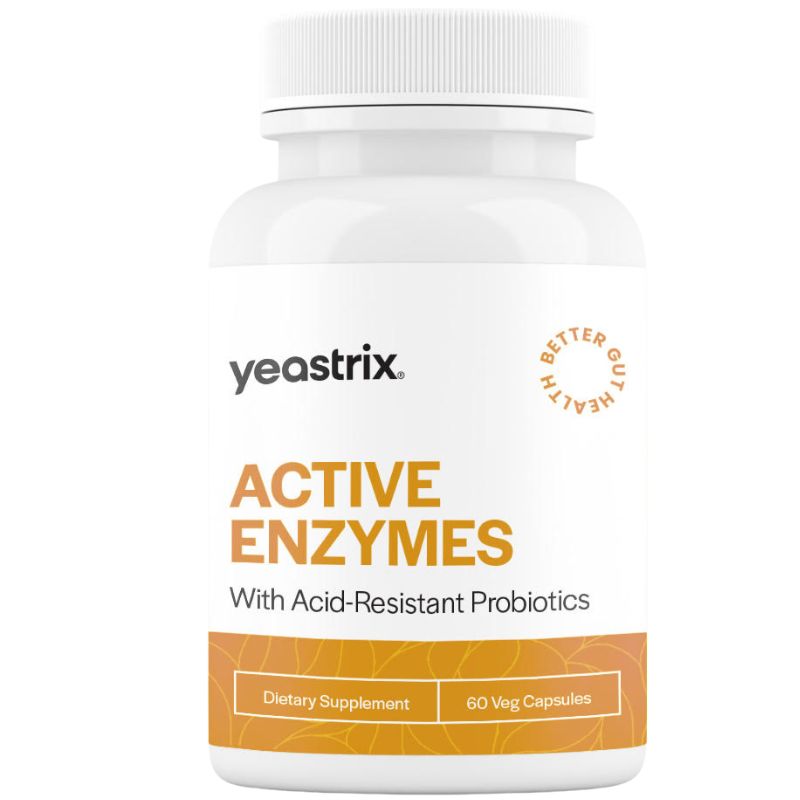
3 – Enzymes – Improve Food Digestion & Absorption
Digestive enzymes play a crucial role in breaking down proteins, carbohydrates, fats, and oils, facilitating their absorption into the body. Without these enzymes, essential nutrients remain bonded to large molecules or trapped within food matrices, making them inaccessible to our cells. Once broken down, nutrients are absorbed by enterocytes, enter the bloodstream, and are delivered to the body’s cells.
Digestive Enzymes and Candida Overgrowth: A Key to Restoring Gut Health
Digestive enzymes are essential for breaking down food and ensuring proper nutrient absorption. When the digestive system is compromised—whether due to Candida overgrowth, small intestinal bacterial overgrowth (SIBO), leaky gut, or food sensitivities—enzyme production can become impaired. This can lead to symptoms such as bloating, gas, indigestion, constipation, and malabsorption of vital nutrients.
Candida overgrowth, in particular, can disrupt digestion by weakening stomach acid production and impairing pancreatic enzyme release. As Candida thrives in an imbalanced gut environment, it contributes to intestinal inflammation, food sensitivities, and poor digestion. Supplementing with digestive enzymes can help counteract these effects by breaking down food more efficiently, reducing fermentation in the gut, and easing gastrointestinal distress.
Digestive enzymes should be consumed with meals for optimal effectiveness. This aligns well with the common practice of taking Candida cleanse supplements alongside food.
The Benefits of Broad-Spectrum Digestive Enzymes
A high-quality, broad-spectrum digestive enzyme supplement can be highly beneficial for individuals dealing with Candida overgrowth, irritable bowel syndrome (IBS), inflammatory bowel disease (IBD), and SIBO.
Specialised enzyme formulations target a variety of food components, including:
The best digestive enzymes can significantly enhance the body’s natural ability to break down food, promoting optimal gastrointestinal health and improving nutrient absorption, particularly if a high-quality digestive enzyme formula is taken regularly.
In our clinical experience, we have seen significant improvements in patients using broad-spectrum enzyme formulations. Many report increased energy levels, improved mood, and enhanced digestion. Symptoms like bloating, gas, and sluggish bowel movements often subside, allowing for better gut function and overall well-being.
Why Supplementing with Digestive Enzymes is Advantageous

Digesting food is one of the body’s most energy-intensive processes, requiring up to 80% of our daily energy expenditure. When under stress, aging, traveling frequently, or dealing with chronic gut issues like Candida overgrowth, the body’s enzyme production may not be sufficient to meet digestive demands.
Because enzymes are essential for every biochemical process in the body, supplementing with digestive enzymes can provide critical support, reducing strain on the digestive system and allowing the body to focus on healing.
For those suffering from Candida-related gut imbalances, enzyme supplementation can be an important part of a comprehensive gut restoration strategy.
Guidelines for Supplementing Digestive Enzymes
Digestive enzymes work in our digestive tract to break down food into smaller, more absorbable components. This ensures our body’s trillion’s of cells are more able to receive the highest-levels of nutrients from the food we feed our body.
How To Take Digestive Enzymes
With meals: Digestive enzymes are best taken at the beginning or during meals. High-quality digestive enzyme formulations contain multiple enzymes targeting protein, carbs, as well as fats and oils. Multi-enzyme formulas are known to improve gut symptoms like bloating, burping, gas, and cramping.
Consider taking one or two digestive enzyme capsules with the largest meal of the day to support digestion.
Complementary Use with Probiotics: Combining digestive enzymes with probiotics can be beneficial, as they work synergistically to enhance gut health.
Potential Effects: Be aware of temporary effects, such as bloating, gas, or diarrhoea, these may occur but usually go away within a few days to a week.
Learn More About Digestive Enzymes
Read our comprehensive blog post all about digestive enzymes, you’ll learn everything you’ll need to know.
Key Take-Away
By understanding and implementing these strategies, you can effectively manage Candida overgrowth and promote optimal health and wellbeing.

Ultimate Candida Cleanse System
Beat Candida naturally with the complete, science-based system created by naturopath Eric Bakker, N.D. This all-in-one package gives you two downloadable guidebooks plus the Yeastrix Gut Restore Kit — three targeted professional formulas that work together to reset your gut, restore balance, and rebuild healthy digestion.
You get a structured, step-by-step program, professional clinical guidance, and supplements designed to support each stage of recovery. No guesswork. No confusing protocols. Just a clear roadmap and the right tools to help you finally reduce symptoms, rebalance your microbiome, and feel like yourself again. The Ultimate Candida Cleanse System is everything you need to make real progress — naturally, safely, and effectively.
