
Stage 3 – REBUILD: Gut Resilience Recipes

Stage 3 Food Approach — Strengthen and Diversify your Gut
In Stage 3 of the Lite Program, the focus shifts to rebuilding long-term gut resilience. Food is used to strengthen the gut lining, support healthy gut microbial balance, and gradually restore diversity without triggering setbacks or a relapse.
At this stage, meals across breakfast, lunch, dinner, and snacks are designed to expand food variety in a controlled and strategic way. New foods are introduced gradually to improve gut tolerance, encourage beneficial bacterial diversity, and support immune and barrier function while maintaining optimal digestive comfort.
Recipes place a greater emphasis on whole-food variety, plant diversity, and balanced meals that reflect sustainable, real-world eating. In this stage we give attention is still given to digestion and portion size, but the aim is no longer food restriction — it is more about adaptation and building gut resilience.
The goal of Stage 3 is to restore confidence with food and reduce the risk of Candida overgrowth or SIBO relapse. By strengthening our gut environment and supporting a diverse and more balanced gut microbiome, our final stage helps transition from recovery into long-term digestive health and more dietary flexibility.
The 3 Stages of the Candida Cleanse Lite Program
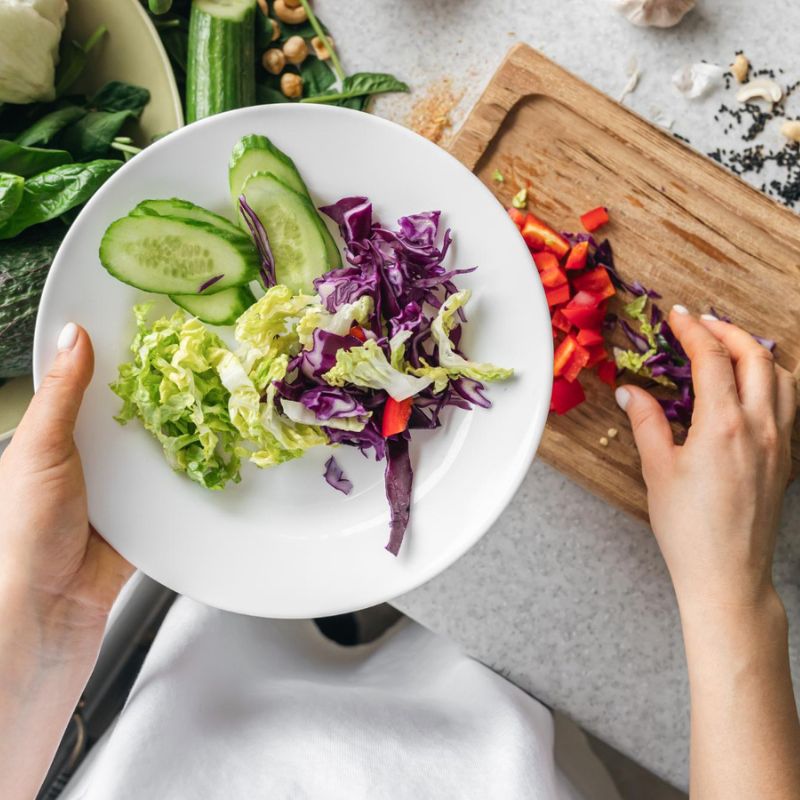
Step 1 – REMOVE
Calm and Cleanse
Stage 1 focuses on removing foods that fuel Candida and problematic bacterial overgrowth, while introducing gentle cleansing methods and foods to support the gut and bowel. By simplifying meals and eliminating key triggers, digestion is calmed, fermentation is reduced, and bloating and discomfort begin to settle.
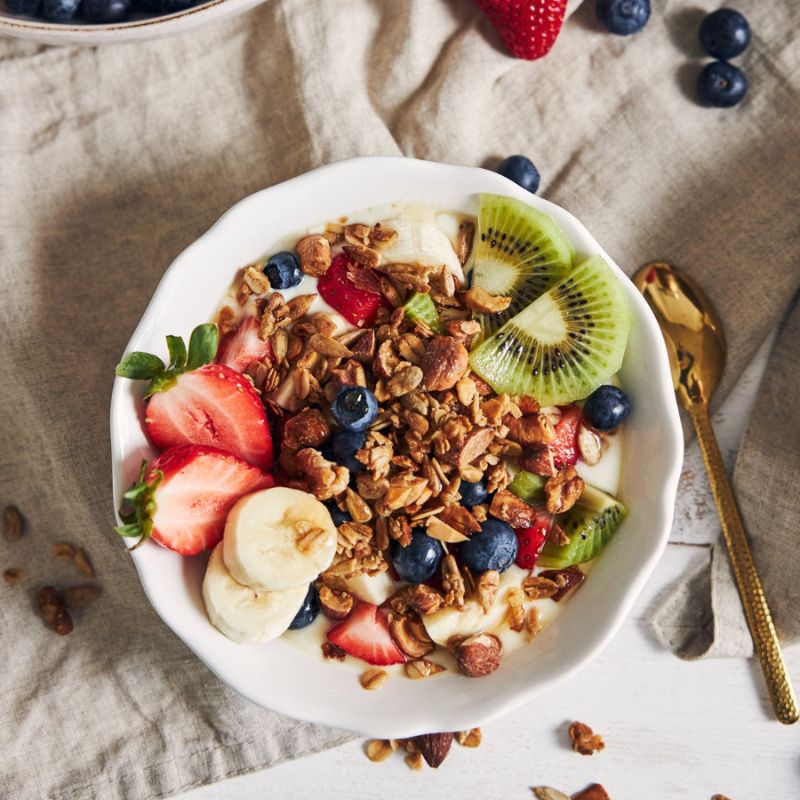
Step 2 – REPLACE
Restore Digestion
Stage 2 focuses on restoring proper digestion by replacing what’s commonly missing—stomach acid, digestive enzymes, bile support, good bacteria. As food is broken down and absorbed more effectively, fermentation, gas, and digestive irritation are reduced, allowing the gut to function efficiently and calmly.
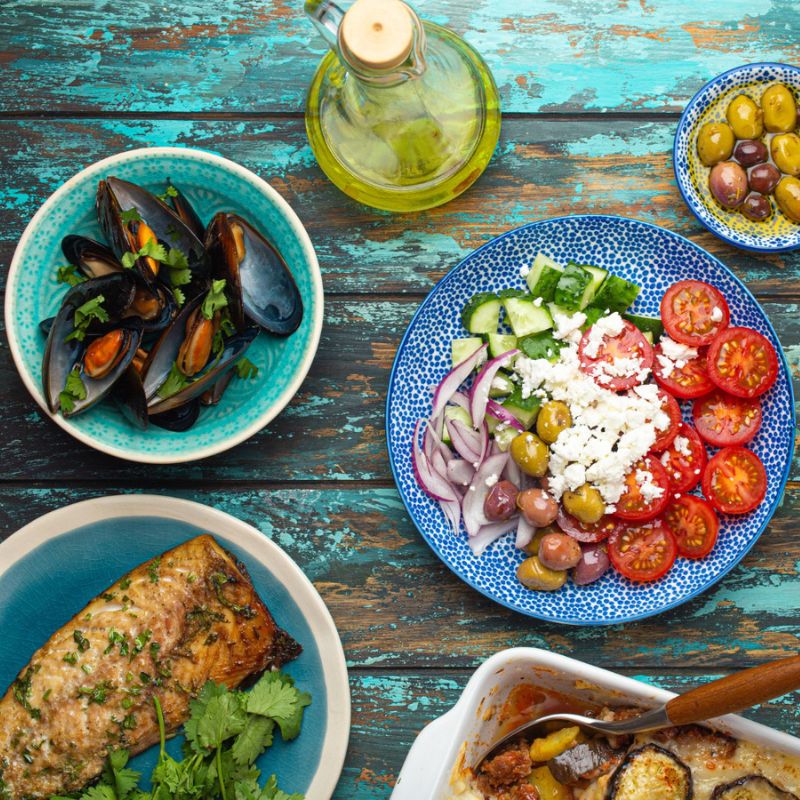
Step 3 – REBUILD
Strengthen and Diversify
Stage 3 focuses on rebuilding gut resilience by strengthening the gut lining and supporting healthy microbial balance and diversity. Food variety is gradually expanded during this final stage in a controlled way to improve tolerance, restore long-term balance, and reduce the risk of relapse.
Candida Cleanse Lite Recipes
Free 3-Stage Program Recipes
Our free Candida Cleanse Lite Program is organised into 3 clear stages—REMOVE, REPLACE, and REBUILD
- Each step is supported by a focused selection of recipes tailored to that phase of recovery.
- Select the stage relevant to you to see which recipes best support your digestion and gut balance right now.
- Each stage builds logically on the last, allowing progress and less overwhelm or relapse.
Rebuilding Breakfasts for Long-Term Gut Strength
In Stage 3 – REBUILD, breakfast is no longer about restriction — it’s about variety, tolerance, and confidence. Meals can now include a broader mix of proteins, vegetables, healthy fats, and well-tolerated carbohydrates. Omelets with mixed vegetables, porridges with seeds, smoothies with multiple plant foods, or yoghurt alternatives with fruit are all appropriate as your gut adapts.
Stage 3 is about diet personalisation. You may prefer two, three or even 4 small meals per day — all approaches are fine as long as digestion feels comfortable, weight is stable, and your symptoms are all steadily improving along the way.
At this stage, fruits and vegetables of many types can be reintroduced gradually and rotated regularly. This diversity helps feed your beneficial gut bacteria and strengthens gut resilience without pushing the system too fast. It allows your gut to become much more balanced and capable of controlling fungal or bacterial issues.
Eating With Confidence
By Stage 3, meal timing becomes much more flexible rather than rigid food exclusions. Breakfast might be early, late, or combined with lunch — whatever suits your lifestyle and digestion. What matters most is the quality of your meals and the consistency, enjoyment, and how your body responds, not the clock.
Highly processed or sugar-heavy foods can still undermine gut balance, so whole foods remain the foundation for the foreseeable future. Always try to aim for meals that combine protein, fibre, and healthy fats, supporting blood sugar balance, gut lining integrity, and long-term digestive comfort. Batch preparation remains useful, but food choices should now feel less clinical and more like real-world, sustainable eating.
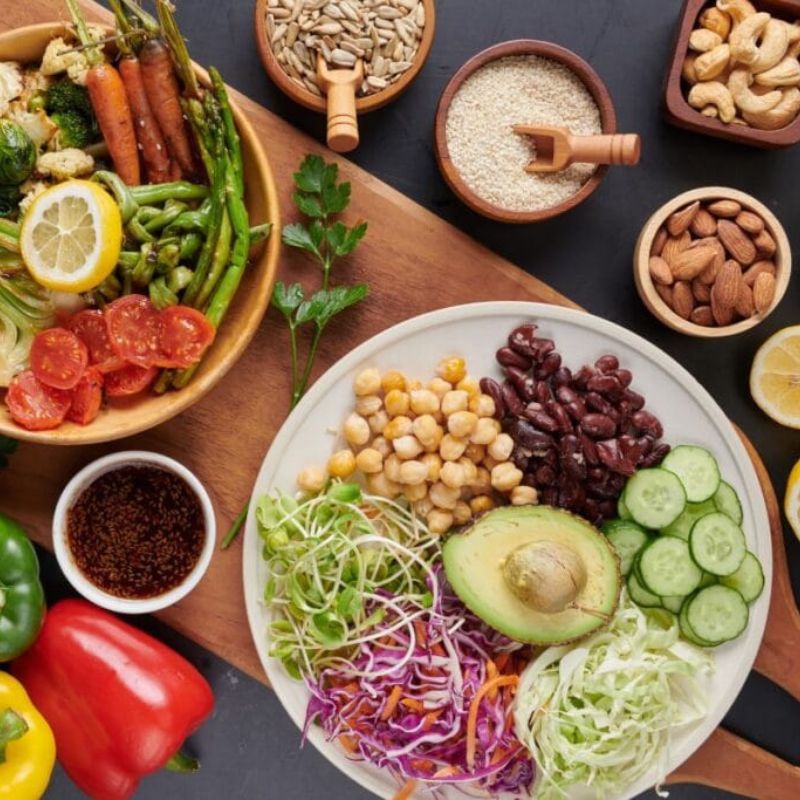
Diverse and Balanced Lunches
Lunch in Stage 3 is an opportunity to expand your food variety. Meals can include a much wider range of meats, vegetables, plant proteins, legumes (as tolerated), whole grains, fish, poultry, eggs, tempeh, or tofu. The aim is to challenge the gut gently and progressively over a period of time. Eat seasonally for the best results – the fresher your produce the healthier your gut becomes.
Flavours can be more adventurous now — many kinds of herbs and spices, and diverse cooking styles are encouraged as long as symptoms remain stable. Portion awareness still matters, but the emphasis is on diversity over restriction.
Regular, well-balanced lunches help reinforce steady energy, support microbial diversity, and reduce the risk of Candida overgrowth or SIBO relapse by keeping the gut environment strong.

Gut Supportive and Sustainable Dinners
Dinner in Stage 3 should feel normal, satisfying, and nourishing. Meals can include a full balance of protein, vegetables, and carbohydrates, adjusted to your tolerance and activity level. Roasted vegetables, stir-fries, soups, stews, and mixed plates are all appropriate as long as digestion remains comfortable.
The trick also is not to eat too late, it’s bad for your sleep and digestive system. I recommend getting into the habit of eating at least three hours before you retire for the evening.
While very heavy or ultra-processed meals can still cause issues, the goal here is to build resilience, not avoid foods indefinitely. Paying attention to portion size, chewing well, and eating mindfully remains very important.
Simple, consistent dinners help stabilise digestion overnight and reinforce long-term gut health as you transition out of structured healing. Another recommendation I have is to keep exploring different fruits, vegetables, legumes, nuts, seeds and grains in your diet. Try a new cookbook every month, and lookout for Mediterranean cookbooks in particular.

Smart Stage 3 Snacks
Snacks in Stage 3 are about freedom with awareness. You can now rotate a much wider range of options — fruit with nuts, yoghurt alternatives, homemade baked snacks, leftovers, or whole-food combinations that suit your appetite and schedule.
Rather than rigid rules, the focus is on listening to hunger signals and choosing foods that support energy and digestion. Snacking should feel supportive, not necessary or compulsive.
This flexibility helps restore confidence with food and supports a diverse, balanced gut microbiome — the key to preventing Candida or SIBO relapse long term.
Did you manage to check out the page that explains the 50 best healthy snacks you can make yourself
Candida Cleanse Lite Stage 3 – REBUILD Recipes
-

The Healthy Pancake
Finding a healthy pancake recipe that actually tastes good can be surprisingly difficult—especially when you are trying to avoid common allergens, gluten, dairy, or…
-
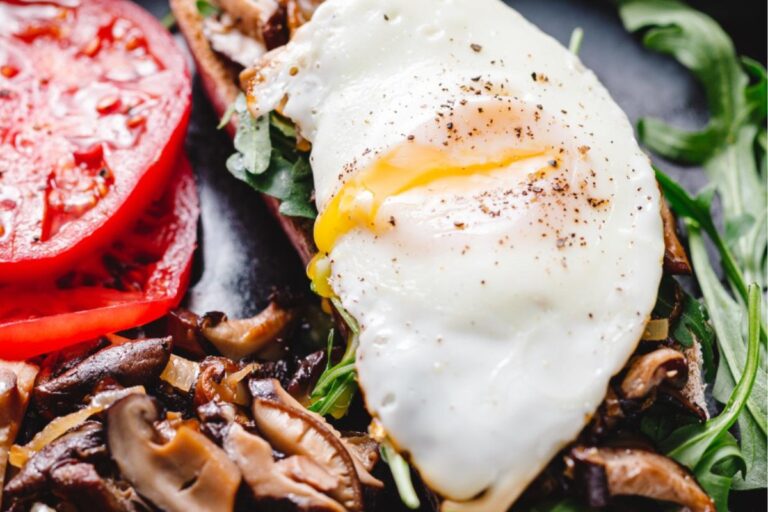
Bakker’s Big Brekky
This delicious and substantial breakfast dish uses eggs and tasty cooked vegetables. It is one of Eric’s favourite breakfasts in the weekend when he…
-
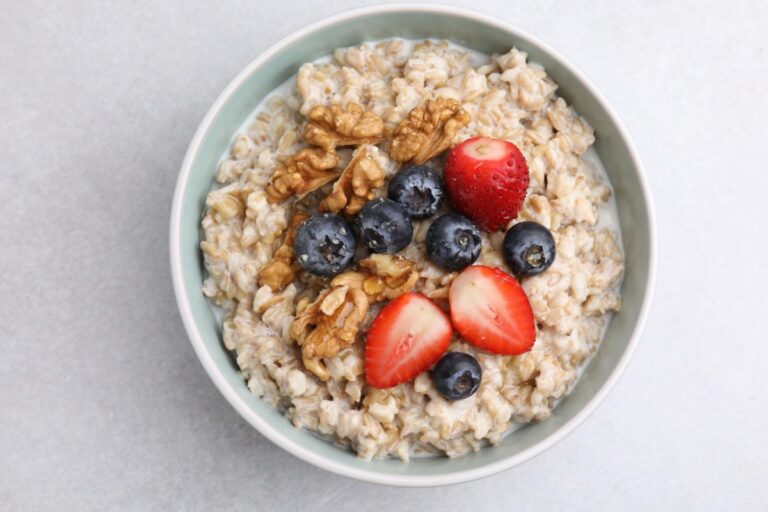
Whole Oat Porridge
The porridge is made from whole oat groats – not rolled oats or oatmeal, a clear difference. This porridge works beautifully year-round. In warmer…
-

Buckwheat Pancakes
Buckwheat pancakes can be a surprisingly good option for people following a Candida-friendly diet—when made with the right ingredients. Despite its name, buckwheat is…
-
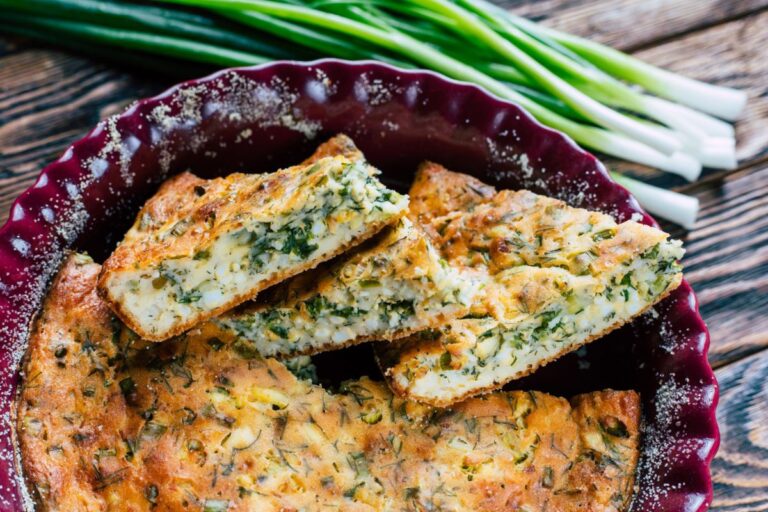
Greek Egg Casserole
Wholesome spinach, fresh herbs, and feta combine in this protein-rich Greek Spanakopita Egg Casserole, perfect for a tasty Candida diet breakfast.
-

Root Veggie Bowl with Kraut
This warming fall veggie bowl combines roasted root vegetables, coconut yogurt kraut, and gut-loving fats for a probiotic-rich, Candida-friendly meal that’s both comforting and…
-
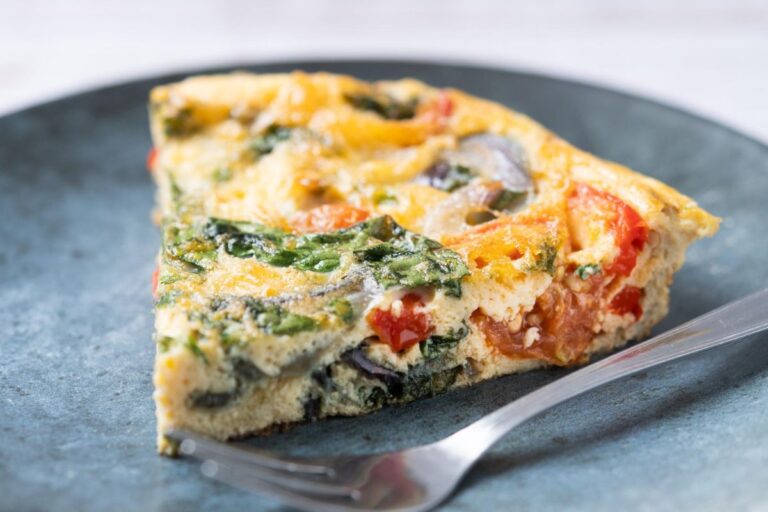
Vegetable and Chicken Quiche Grain-Free
A high protein grain-free quiche with chicken, fresh vegetables, and herbs—perfect for a gut-friendly, perfect for breakfast or any time of the day.
-

Baked Spaghetti Squash with Basil and Bell Pepper
Baked spaghetti squash is a nourishing, low-carb alternative to pasta that’s perfect for gut-healing meals. Roasted until golden and tender, then tossed with olive…
-
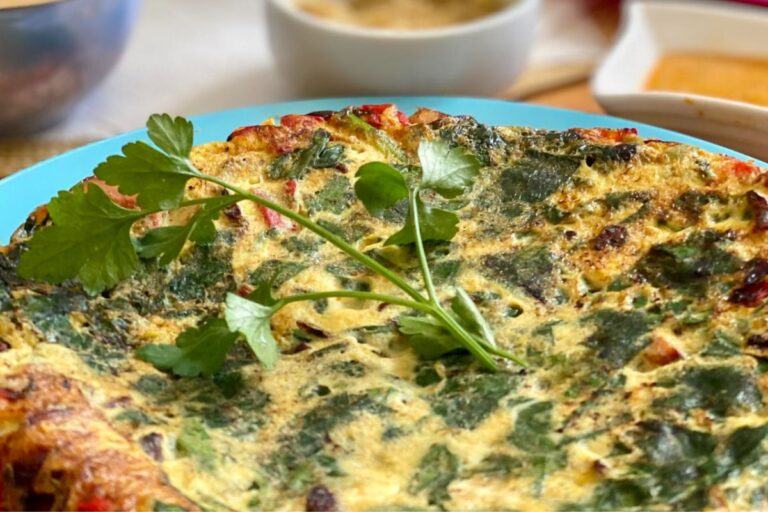
Spanish Breakfast Tortilla
A classic Spanish tortilla reimagined for gut health. Packed with protein, fibre, vegetables, and healthy fats—perfect for Candida recovery and digestion.
-

Sumac Chicken Salad with Tasty Yogurt Sauce
Why Sumac Is a Gut-Healing Star A tangy, anti-inflammatory dish that supports digestion, gut flora, and immune health. Sumac isn’t just a colourful and…
