
Stage 1 – REMOVE: Low-Fermentation Recipes

Stage 1 Food Approach — Calm and Cleanse
In Stage 1 of the Lite Program, food is used as a therapeutic tool to calm digestion, reduce fermentation, and gently cleanse the gut. These recipes are intentionally designed to support the digestive system during a sensitive phase, rather than overwhelm it.
At this stage, simplicity is essential. Meals across breakfast, lunch, dinner, and snacks are kept easy to digest, with controlled fiber, gentle fats, while avoiding junk and take-away foods. This helps reduce bloating, gas, and bowel irritation while allowing the gut to settle.
Highly processed foods, sugars, refined carbohydrates, and common gut irritants are removed first — not to be restrictive, but to lower digestive stress and reduce fuel for Candida and problematic bacteria. Hydration and regular meals are emphasised to support bowel clearance and help the body eliminate waste effectively.
The goal of Stage 1 is not aggressive “yeast killing,” but to stabilise the gut environment so healing can begin. Once digestion is calmer and symptoms have settled, progression to the next stage becomes far more tolerable and effective.
The Candida Cleanse Lite Recipes
The recipes in the Ultimate Candida Cleanse Lite Program aren’t generic recycled-blog meals. They’re built from clinical experience, extensive nutritional research, and real-world feedback from many people struggling with complex gut and immune-related issues, including:
The 3 Stages of the Candida Cleanse Lite Program
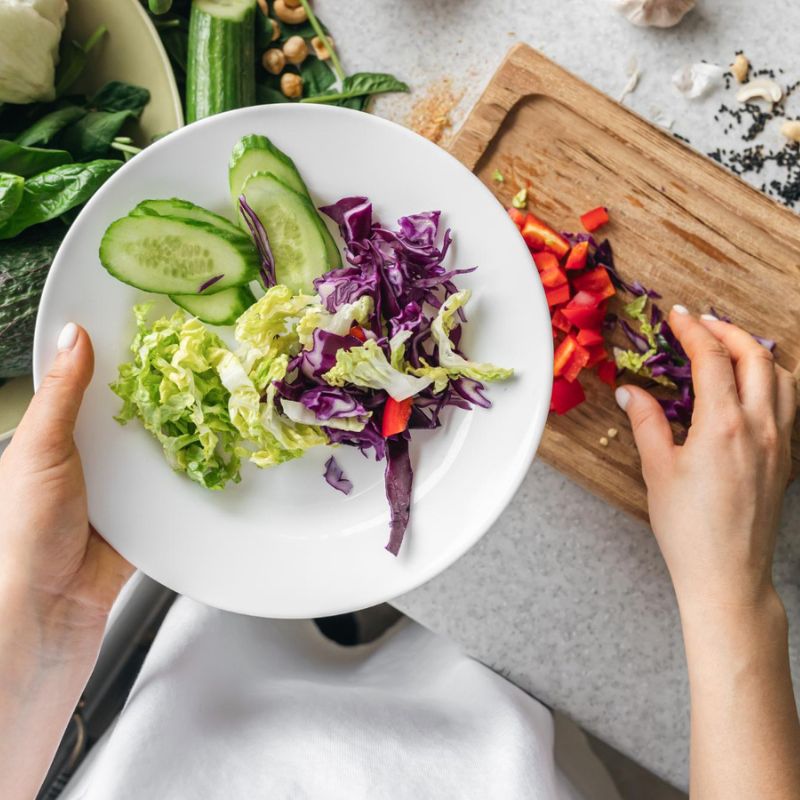
Stage 1 – REMOVE
Calm and Cleanse
Stage 1 focuses on removing foods that fuel Candida and problematic bacterial overgrowth, while introducing gentle cleansing methods and foods to support the gut and bowel. By simplifying meals and eliminating key triggers, digestion is calmed, fermentation is reduced, and bloating and discomfort begin to settle.
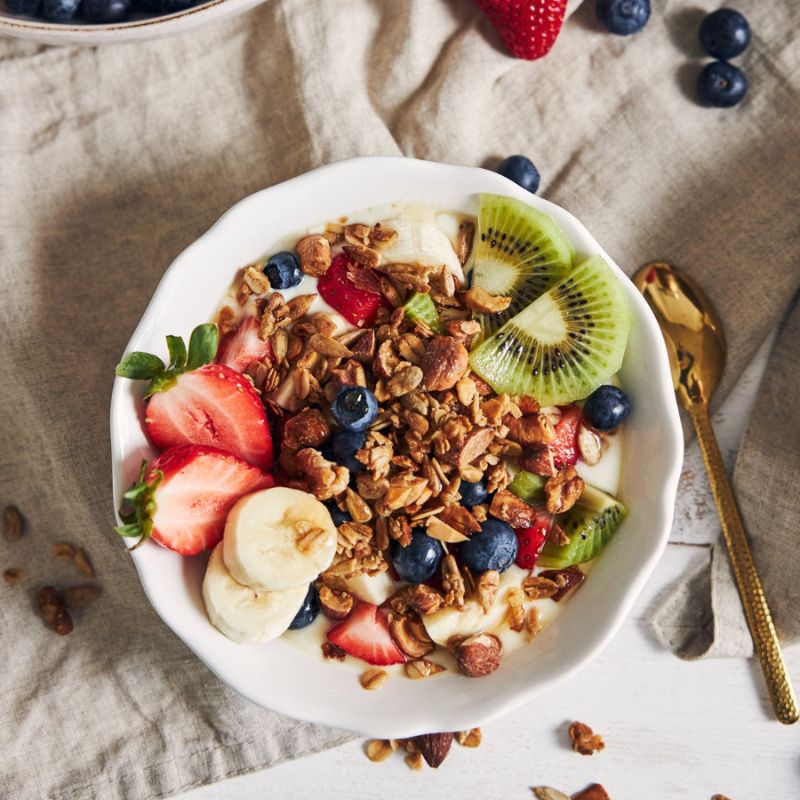
Stage 2 – REPLACE
Restore Digestion
Stage 2 focuses on restoring proper digestion by replacing what’s commonly missing—stomach acid, digestive enzymes, bile support, good bacteria. As food is broken down and absorbed more effectively, fermentation, gas, and digestive irritation are reduced, allowing the gut to function efficiently and calmly.
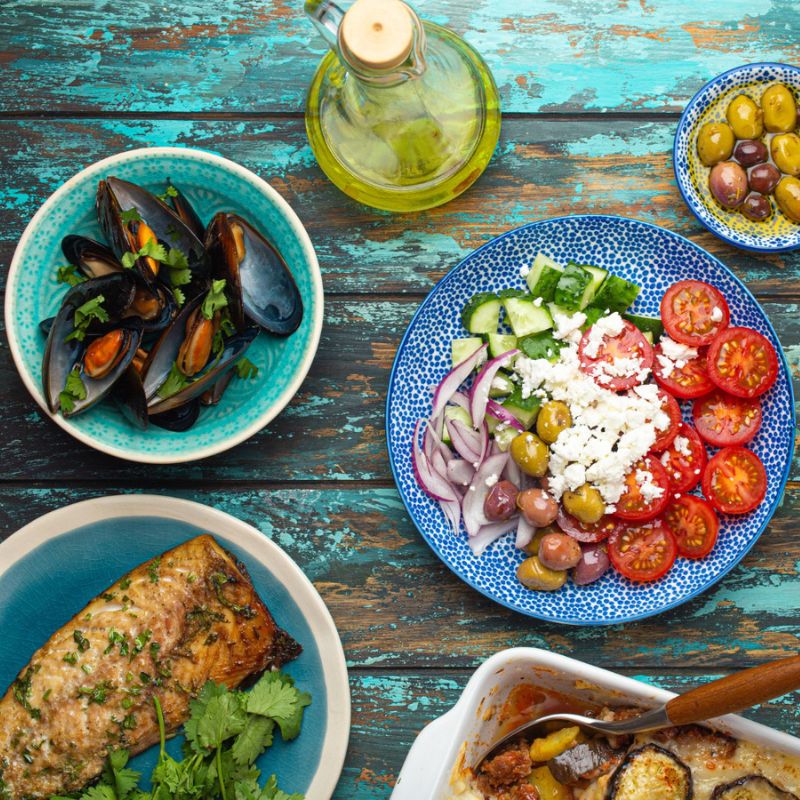
Stage 3 – REBUILD
Strengthen and Diversify
Stage 3 focuses on rebuilding gut resilience by strengthening the gut lining and supporting healthy microbial balance and diversity. Food variety is gradually expanded during this final stage in a controlled way to improve tolerance, restore long-term balance, and reduce the risk of relapse.
What Makes Our Recipes Different
Our recipes are meant to calm the gut, reduce symptom flare-ups, and build gut health consistently over time.

Start Your Day with Simple Gut-Friendly Breakfasts
In Stage 1 – REMOVE, while your colon is still in cleansing mode, keep breakfast simple, nourishing, and easy on your gut. Whole-food meals like a vegetable omelet, chia pudding, or buckwheat porridge are ideal. They gently support your gut and set the stage for healing.
I’m a fan of intermittent fasting, and find that two solid meals per day, with a few light snacks if needed, works perfectly for me — it’s helped me maintain my ideal weight. That said, everyone’s different, so you may find your ideal pattern is different.
As your symptoms improve and you move into Stage 2 – REPLACE, you can gradually add in more fruits. These can be consumed fresh, or incorporated into pancakes, muffins, or smoothies made with unsweetened plant milk like almond or coconut milk.
Quick, Easy, and Gut-Friendly
Your first meal of the day — sets the tone for everything that follows. For some people, that’s 6:00 am, while others prefer to wait until 11:00 am, effectively combining breakfast and lunch. Both approaches are perfectly fine. Some people thrive on three square meals, others do better with two meals and a few light snacks. It really doesn’t matter — what matters is finding what works best for you.
The key is to avoid skipping your first meal or starting with sugary foods, which spike blood sugar, trigger cravings, and slow gut recovery. Instead, aim for meals that stabilise your energy, nourish your gut, and support long-term healing. Make sure your first meal contains plenty of protein, the best way to set-up your day.
Just like lunch and dinner, your breakfasts can be batch-prepared and ready in minutes. This makes it easy to stay consistent with your gut-healing plan, even on your busiest days.

Keep Lunch Simple and Nourishing
Lunch in Stage 1 should be light, balanced, and easy on your digestive system. Think simple protein and vegetable combinations: grilled fish or chicken with steamed greens, zucchini noodles with a light herb dressing, or a veggie-packed frittata. Personally I find tofu a good source of protein for lunch.The focus is on whole, low-fermentation ingredients that give your gut a break while still providing plenty of energy.
Avoid Heavy
Avoid heavy sauces, starchy grains, red meats, or processed meats and foods at this stage. They can overwhelm your colon and slow your cleansing process. Instead, stick to natural flavours that have cleansing and antimicrobial qualities — olive oil, lemon, fresh herbs — to keep meals enjoyable and gut-friendly.
A good tip is to do batch prep and cooking. Prepare a few portions of protein and vegetables a few days ahead so that a healthy lunch is ready in minutes. This consistency supports steady reliable levels of energy, helps reduces cravings, and keeps your gut on track for recovery.

Enjoy Gentle, Healing Dinners
Dinner should be simple, soothing, and nourishing without overloading your digestive system. Stage 1 recipes can include lightly cooked, baked, or steamed vegetables, soups or broths, small portions of lean protein – fish and egg are good here, and healthy fats like avocado or olive oil. Examples are baked fish with spinach and carrots, zucchini and turkey stir-fry, or eggplant with herbs and a drizzle of olive oil. Be sure to eat enough protein with your meals, this will help prevent unnecessary snacking.
Keep meals low in fermentable carbs and avoid heavy sauces or complex spice blends. Your goal is to support your gut overnight while minimising irritation or bloating. Cooking in bulk can also save time — roasting vegetables or baking protein for a few days means you always have a gut-healing dinner ready.
Simple Dinner is the Best
By keeping dinners simple, very basic, easy to make and predictable, you give your gut the best chance to rest, repair, and rebalance during the evening hours. This will make it easier for you to advance ahead.

Smart Stage 1 Snacks
Snacks are about supporting energy and avoiding unnecessary sugar or high-fermentation foods. Good options in Stage 1 include:
The key is easy, minimally processed snacks that stabilise blood sugar and provide nourishment without triggering yeast or fermentation issues. Prepare small portions ahead of time so they’re ready when cravings hit — this makes it easier to stay consistent with your Stage 1 plan. Be sure to check out the page that explains the 50 best healthy snacks you can make yourself.
Candida Cleanse Lite Stage 1 – REMOVE Recipes
-

The Healthy Pancake
Finding a healthy pancake recipe that actually tastes good can be surprisingly difficult—especially when you are trying to avoid common allergens, gluten, dairy, or…
-
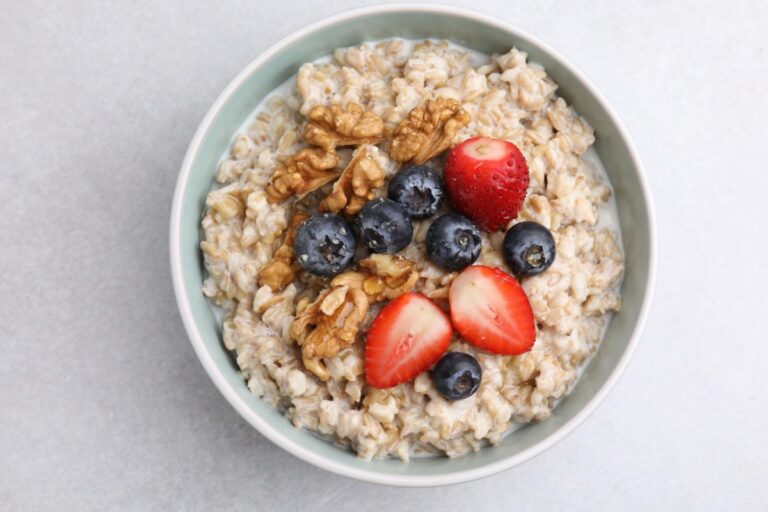
Whole Oat Porridge
The porridge is made from whole oat groats – not rolled oats or oatmeal, a clear difference. This porridge works beautifully year-round. In warmer…
-
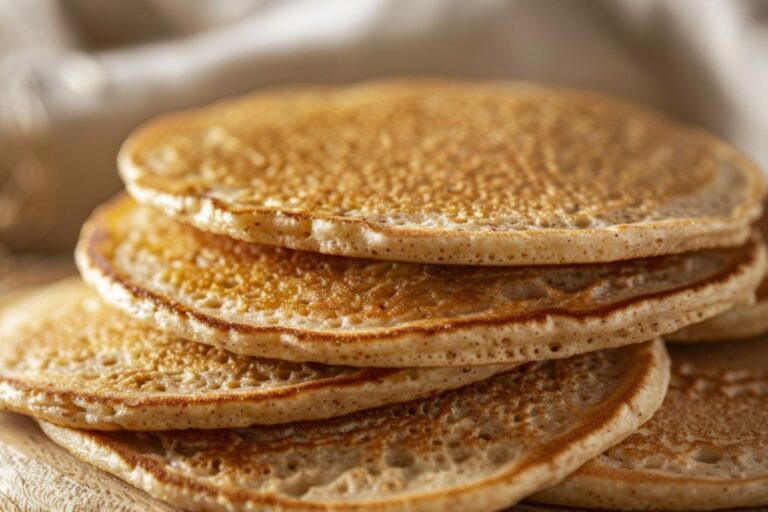
Buckwheat Pancakes
Buckwheat pancakes can be a surprisingly good option for people following a Candida-friendly diet—when made with the right ingredients. Despite its name, buckwheat is…
-
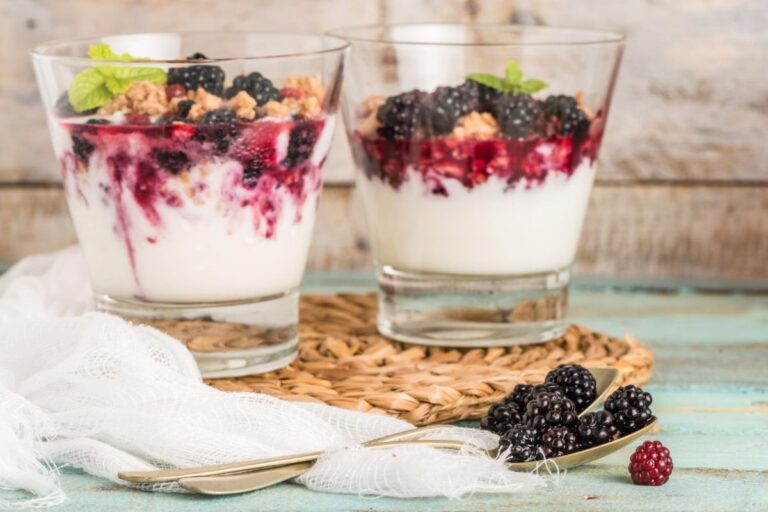
Blackberry-Ginger Overnight Bulgur Breakfast
This Blackberry-Ginger Overnight Bulgur is a creamy, fiber-rich breakfast made with Greek yogurt, bulgur, coconut milk, and fresh blackberries for gut health.
-

Gut-Healing Bone Broth
A nourishing, collagen-rich bone broth that supports gut healing, immunity, and digestive health. Perfect for leaky gut, Candida, and daily wellness support.
-
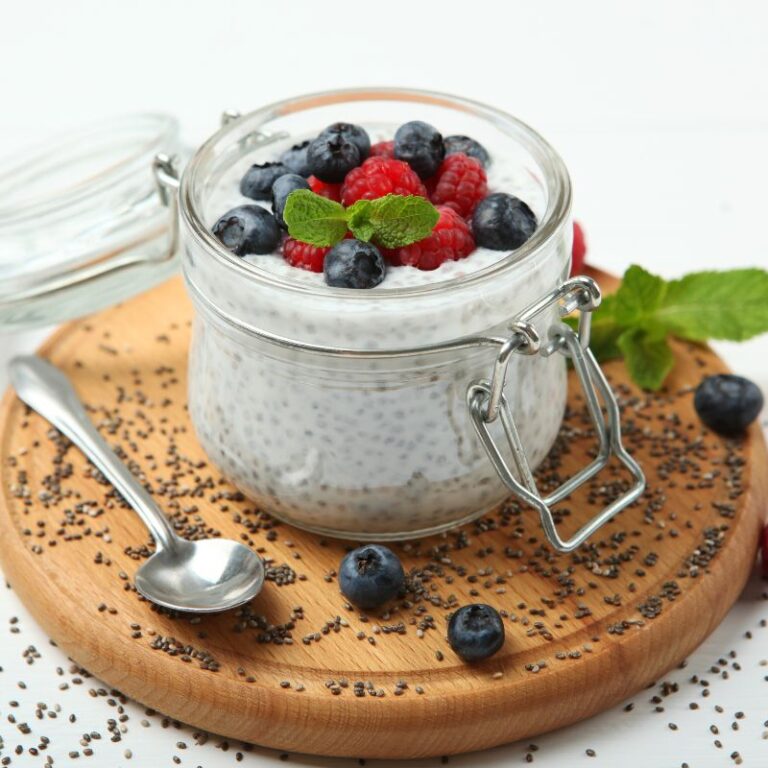
Coconut Yogurt with Chia, Flax and Cinnamon
Coconut yogurt with chia, flax, and cinnamon is a quick, Candida-friendly snack packed with fiber, healthy fats, and blood sugar-balancing benefits — no sugar…
-
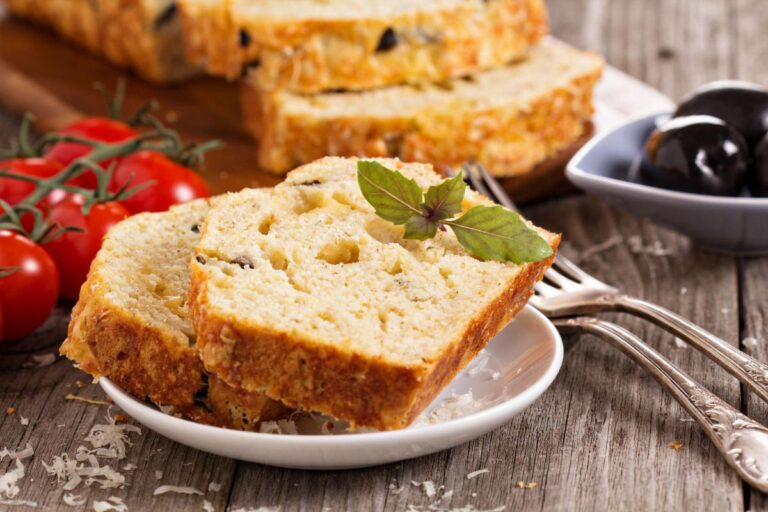
Coconut Bread
A Candida-friendly bread that’s low in carbs, high in fibre, and loaded with healthy fats. This coconut bread is filling, delicious, and perfect for…
-

Cucumber Slices with Almond Butter
Try this quick, Candida-safe snack made with crisp cucumber slices and creamy almond butter. It’s hydrating, nourishing, and fits perfectly into a low-sugar, gut-friendly…
-

Coconut Chia Pudding
a creamy, naturally sweet chia pudding made with coconut milk, cinnamon, and blueberries – perfect for gut-healing mornings or Candida support.
-

Tiger Milk (Leche de Tigre)
A zesty, gut-friendly version of traditional Peruvian tiger milk made with lime, garlic, and cilantro — perfect for those with Candida overgrowth, SIBO, or…
Key Diet and Nutrition Pages
What Makes Our Recipes Different
Our recipes aren’t recycled diet blog meals like you’ll find everywhere online. They’re the result of decades of clinical experience, hours of nutritional research, and patient feedback from thousands of people dealing with different conditions such as:
Each Recipe Is:
Your Gut-Loving Kitchen Toolkit
Here are some general tips to guide your Candida diet cooking in general:
