Whole Oats, Oatmeal, and Gut Health
It’s no secret that I’m a huge fan of rolled oats and oatmeal. For decades, I’ve eaten cooked oats nearly every morning. They’re inexpensive, filling, nourishing, and incredibly versatile. But over the years, I’ve become an even bigger fan of whole oat groats—the least processed form of the oat grain.
Many people don’t realise there’s a difference between oatmeal and porridge. Oatmeal is technically a type of porridge, but porridge itself can be made from many grains, including oats, millet, buckwheat, quinoa, rice, or even black rice. It can also be savoury or sweet depending on the ingredients used.
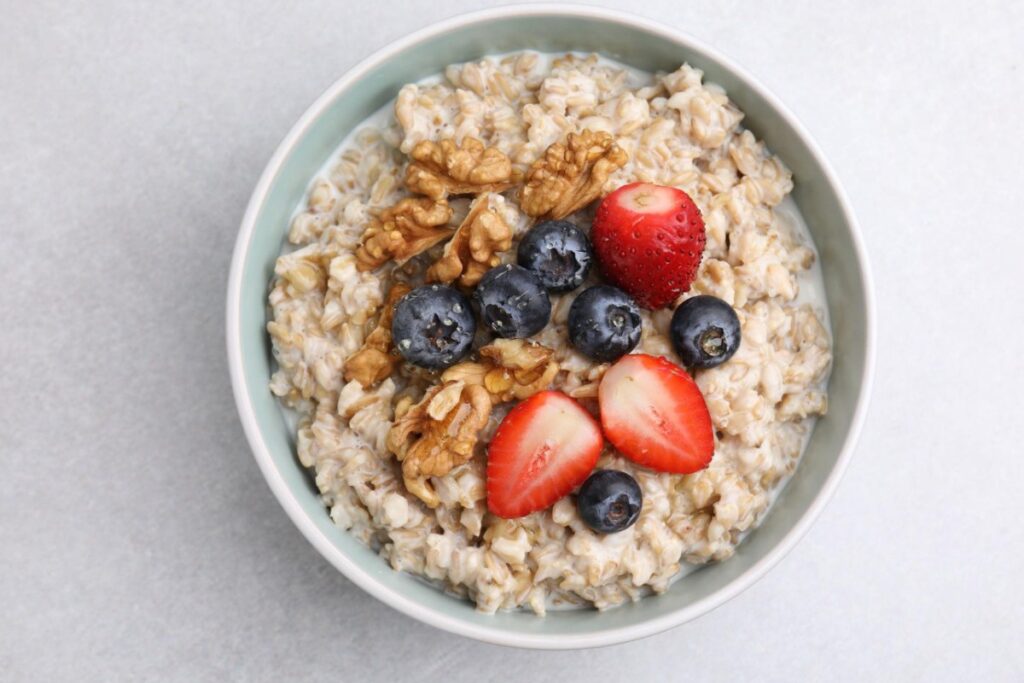
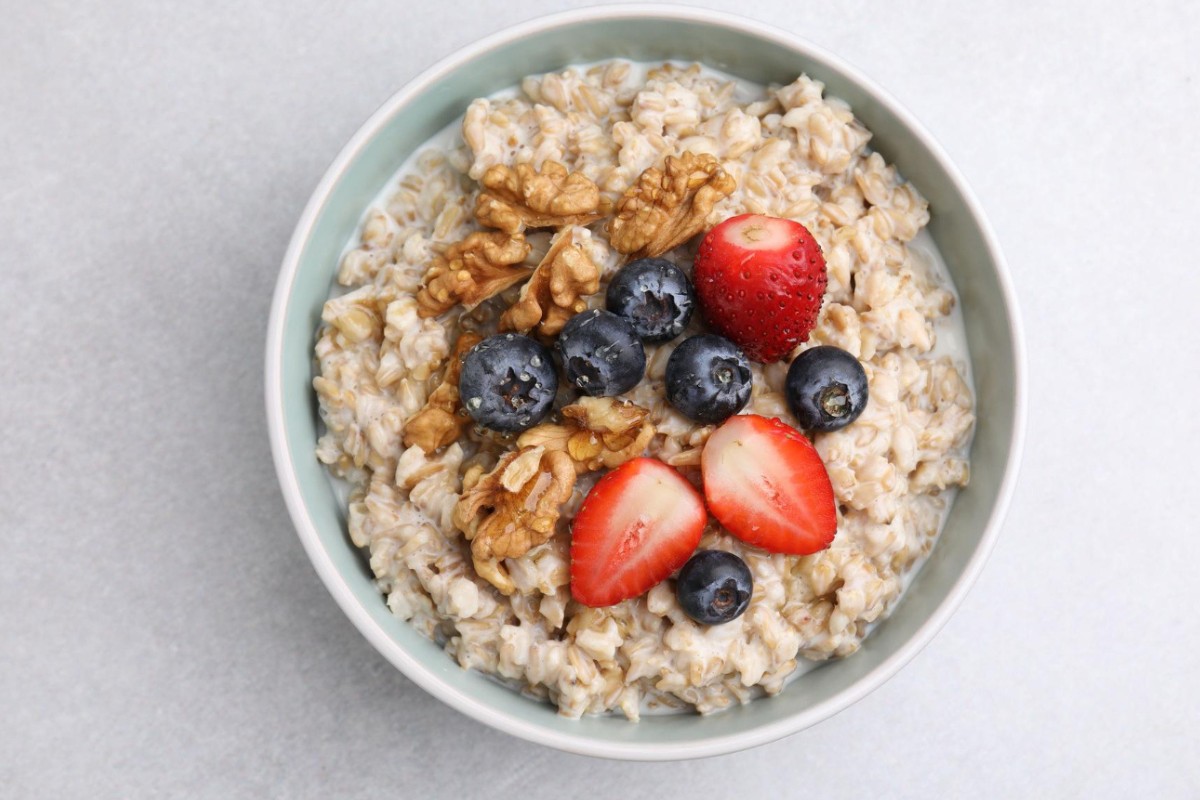
For this recipe, we’re using whole oat groats instead of rolled oats or steel-cut oats. After soaking overnight and slowly simmering, the groats become creamy, hearty, and deeply satisfying while still retaining their structure. The texture is rich and comforting without feeling heavy.
From a functional medicine perspective, oats can be a valuable whole food for many people because they contain soluble fibre, resistant starches, beta-glucans, minerals, and plant compounds that may support:
Oats are also naturally gluten-free. However, some commercially processed oats may contain gluten contamination from farming or manufacturing processes, so sensitive individuals should choose certified gluten-free oats where appropriate.
This porridge works beautifully year-round. In warmer months, try it with berries and yogurt. During winter, stewed fruit, cinnamon, and warming spices make it incredibly comforting.
Whole Oat Porridge
Ingredients
- 1 cup whole oat groats*, soaked overnight
- 2 cups water
- large pinch sea salt
Step-by-Step Instructions
- For Whole Oat Porridge: Drain and rinse one cup of oat groats first to rinse away any dust and loose hulls if present.
- Pour the groats into a medium pot and dd 2 cups water and a large pinch of salt. Bring to a boil over high heat, then turn it right down – whisking every now and then for 2 mins.
- Cover the pot, reduce the heat to low, and simmer for 10 – 15 minutes, stirring occasionally to prevent sticking, until the grains are soft and the porridge is creamy.
- Serve hot, with desired toppings. Drizzle with a little honey and 1/2 tsp lemon or lime juice just before serving.
- *IMPORTANT NOTE: Whole oat groats cannot be directly substituted with rolled oats or steel-cut oats in this recipe because the cooking times and liquid ratios are completely different. If using another type of oat, follow the cooking instructions provided on the package.
Why This Recipe Works
The Slow-Burn
Unlike sugary breakfast cereals or refined flour breakfasts, whole oat porridge provides slow-burning carbohydrates combined with fibre and important nutrients that help create longer-lasting satiety and steadier energy levels.
The soaking process may also improve digestibility for some individuals by helping soften the grain before cooking. Whole oat groats contain beta-glucans, a type of soluble fibre studied for its role in supporting healthy cholesterol levels, blood sugar control, and microbial diversity within the gut.
Because this recipe focuses on minimally processed ingredients and avoids refined sugars, it can fit well into a gut-health-focused lifestyle when portioned appropriately and paired with nourishing toppings.
Many people are surprised how creamy and satisfying whole oat groats become once cooked properly. They offer a far richer texture than instant oatmeal and tend to keep people fuller for longer.
Ingredient Benefits
Whole Oat Groats
Whole oat groats are one of the least processed forms of oats. They contain valuable nutrients:
These nutrients help support bowel regularity, beneficial gut bacteria, and more stable blood sugar levels.
Sea Salt
A small amount of quality sea salt enhances flavour and provides trace minerals. Proper mineral balance is important for hydration, nerve signalling, and digestive function.
Greek Yogurt or Coconut Yogurt
Optional Greek yogurt toppings provide protein and beneficial bacteria that may support microbiome diversity and digestive resilience. Coconut yogurt works well for dairy-free individuals.
Berries
Fresh berries contain fibre and polyphenols that may support gut bacteria and help reduce oxidative stress while adding natural sweetness without relying heavily on sugar.
Cinnamon
Cinnamon adds warmth and flavour while potentially helping support healthy glucose metabolism.
Variations
Higher-Protein Porridge Version
Some people want a higher-protein intake at breakfast time. If you like porridge and want to add more protein to your meal just add additional:
This creates an even more filling breakfast with improved protein and fat balance.
Dairy-Free Version
Instead of dairy products, use:
• coconut yogurt
• almond milk
• coconut cream
Lower-Carbohydrate Option
To increase fibre and healthy fats, reduce oat portions slightly and add:
• chia seeds
• flaxseeds
• nuts
Warming Winter Version
For a more comforting winter breakfast, cook with:
• cinnamon
• nutmeg
• cardamom
• chopped dried apricots
Summer Version
For a lighter fresh variation, simply top with:
• blueberries
• raspberries
• coconut yogurt
• chopped nuts
Best Cleanse Stage
Stage 1 – REMOVE
Very suitable.
This recipe works well as a replacement for:
• sugary cereals
• pastries
• toast and jam
• processed breakfast foods
It helps introduce more whole-food eating habits without feeling overly restrictive.
Stage 2 – REPLACE
Excellent fit.
The fibre, slower carbohydrates, and whole-food ingredients support:
• digestion
• satiety
• blood sugar stability
• healthier breakfast routines
This is likely the best stage for this recipe.
Stage 3 – REBUILD
Also excellent.
During the rebuild phase, microbiome resilience and dietary diversity become important. Whole oats may help support beneficial bacteria because of their soluble fibre and resistant starch content.
Overall Rating
Perfect for Stage 2 (REPLACE) and 3 (REBUILD), while working well during Stage 1 (REMOVE) for many people.
FAQs
Are oats gluten-free?
Yes, oats are naturally gluten-free. However, cross-contamination can occur during farming or manufacturing, so certified gluten-free oats are recommended for sensitive individuals.
What’s the difference between oat groats and rolled oats?
Oat groats are the whole intact grain. Rolled oats are steamed and flattened, while steel-cut oats are chopped into smaller pieces.
Are whole oat groats healthier than instant oats?
Generally yes. Whole oat groats are less processed and usually provide a slower energy release and more texture.
Why soak oat groats overnight?
Soaking softens the grain, reduces cooking time slightly, and may improve digestibility for some individuals.
Can I make this porridge ahead of time?
Yes. It reheats very well and can be stored in the refrigerator for several days.
Is porridge good for gut health?
For many people, yes. The soluble fibre and resistant starches in oats may help support beneficial gut bacteria and bowel regularity.
Troubleshooting
Porridge Too Thick
Add (while reheating) :
• extra water
• almond milk
• coconut milk
Porridge Too Thin
Simmer slightly longer uncovered until it thickens naturally.
Digestive Sensitivity
Some individuals early in a cleanse or with severe dysbiosis may temporarily struggle with oats or higher-fibre foods. Reduce portion size and monitor symptoms.
Blood Sugar Cravings
Avoid adding excessive:
• honey
• maple syrup
• dried fruit
especially early during cleansing phases.
Texture Feels Too Chewy
Whole oat groats naturally retain more structure than rolled oats. Longer soaking and cooking can create a softer texture.
Related Recipes
You may find some of these recipes very useful:

Eric Bakker N.D.
Greetings! I am a naturopathic physician from New Zealand. Although I’ve retired from clinical practice since 2019 after 34 years of clinic. I remain passionate about helping people improve their lives. You’ll find I’m active online with a focus on natural health and wellbeing education through my Facebook page, Reddit page and YouTube channel, including this website.