
📚 Gut Health Library • Hub
Gut Health Diet and Nutrition
Explore the foods, nutrients, and eating patterns that support a healthy gut microbiome, improve digestion, reduce inflammation, and promote long-term gut health.
Written & Clinically Reviewed by Eric Bakker, N.D. • Last Updated: August 2026 • 12 min read
📚 Gut Health Library • Hub
Gut Health Diet and Nutrition
Explore the foods, nutrients, and eating patterns that support a healthy microbiome, improve digestion, reduce inflammation, and promote long-term gut health.
Evidence-Based
Gut Microbiome Focused
Root Cause Approach
Medically Reviewed by Eric Bakker, N.D. • Last Updated: August 2026 • 12 min read
How Diet and Nutrition Influence Gut Health
The Role of Diet in Gut Health
The food you eat has a most profound impact on your digestive system and gut microbiome. A balanced, nutrient-rich diet helps nourish beneficial bacteria, support the intestinal barrier, regulate inflammation, and promote healthy digestion. Poor dietary habits, on the other hand, can contribute to digestive symptoms and disrupt the delicate balance of your gut ecosystem.
This hub explores the key principles of gut health nutrition, including the best foods to eat, nutrients that support digestive function, dietary patterns backed by research, and practical strategies for improving gut health naturally.
Whether you’re managing IBS, SIBO, Candida overgrowth, food intolerances, or simply looking to optimise your digestive health, you’ll find evidence-based nutrition guidance to help you make informed food choices and support long-term wellness.
Featured Cornerstone Pages
Dietary Approaches
Key Nutrition Topics
What You’ll Learn
Featured Cornerstone Pages
Dietary Approaches
Key Nutrition Topics
What You’ll Learn
Explore Popular Topics
Jump directly to the information you’re looking for.
Explore Popular Topics
Jump directly to the information you’re looking for.
Frequently Asked Questions
Find answers to the most common questions about Candida, SIBO, IBS, leaky gut, gut microbiome depletion, and other digestive disorders. Learn how these conditions are connected, how they differ, and where to find evidence-based information to help you better understand your gut health.
Still Not Sure What’s Causing Your Symptoms?
Complete our Free Gut Health Assessment to identify possible patterns, understand which digestive conditions may be contributing to your symptoms, and receive personalised guidance based on your answers.
Key Takeaways
- A healthy diet is one of the most powerful ways to support your gut microbiome, digestion, and overall health.
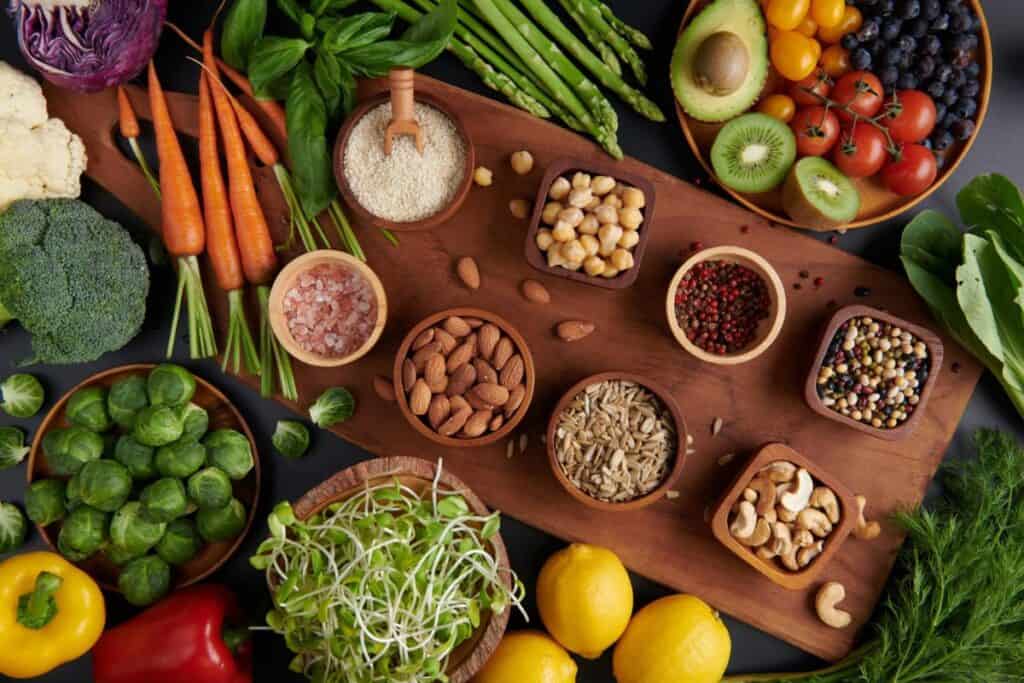
- Eating a wide variety of fibre-rich, minimally processed foods helps nourish beneficial gut bacteria and promote microbial diversity.
- Dietary patterns such as the Mediterranean diet are supported by research for improving gut and overall health.
- Prebiotics, probiotics, fermented foods, and plant-based nutrients all play important roles in maintaining a healthy digestive system.
- Limiting ultra-processed foods, excess sugar, and foods that trigger your symptoms may help reduce digestive discomfort
- There is no single ‘perfect’ gut health diet—the best approach is one that is balanced, nutritious, sustainable, and tailored to your individual needs.
- Use the guides throughout our Gut Health Library to learn how food and nutrition can help you build a healthier gut and improve long-term wellbeing.
Continue Exploring Gut Health
Explore our evidence-based guides to understand symptoms, diagnostic tests, underlying causes, and related gut health conditions.




Continue Exploring Gut Health
Explore our evidence-based guides to understand symptoms, diagnostic tests, underlying causes, and related gut health conditions.
Eric’s Clinical Perspective

After working with thousands of patients over nearly four decades, I’ve found that nutrition is often the missing piece of the gut health puzzle. Many people search for a single supplement or quick fix, yet the foods they eat every day have one of the greatest influences on their digestive system and gut microbiome.
I’ve always encouraged patients to:
- Eat a wide variety of whole, minimally processed foods.
- Avoid regularly eating foods that sabotage and undermine their gut health
- Nourish the gut microbiome with fibre-rich plant foods.
- Choose a sustainable eating pattern rather than restrictive fad diets.
- Identify individual food intolerances without unnecessarily eliminating nutritious foods.
- View diet as the foundation of long-term digestive and overall health.
Good nutrition won’t solve every digestive problem on its own, but it provides the foundation upon which other treatments are far more likely to succeed. My goal has always been to help people make informed food choices based on sound scientific evidence rather than confusion, conflicting advice, or the latest dietary trend.
This Gut Health Diet and Nutrition Hub is designed to help you understand how food influences digestion, the gut microbiome, inflammation, and overall wellbeing, while providing practical, evidence-based guidance to help you build healthier eating habits for life.
Explore Other Gut Health Hubs
Continue exploring evidence-based information across the Gut Health Library.



Gut Health Resources
Find books, programs, guides, assessments, & gut health resources.

Explore Other Gut Health Hubs
Continue exploring evidence-based information across the Gut Health Library.
Gut Health Resources
Find books, programs, guides, assessments, & gut health resources.
Start Here If You Are Unsure
Not sure where to start?
Take the free 5-minute Gut Health Assessment to identify one of five gut types, understand the possible root causes of your symptoms, and receive personalised next steps for recovery..
Not sure where to start?
Take the free 5-minute Gut Health Assessment to identify one of five gut types, understand the possible root causes of your symptoms, and receive personalised next steps for recovery..
Scientific References & Evidence Base
The information in this Gut Health Diet and Nutrition Hub is based on current nutritional science, gastroenterology guidelines, microbiome research, my own clinical and personal experience and evidence from recognised international health organisations. It reflects the latest understanding of how diet, lifestyle, and food choices influence the gut microbiome, digestive function, intestinal barrier health, and overall wellbeing. Additional references are provided throughout the individual nutrition guides linked from this page.
Evidence Base
This guide integrates evidence from nutrition science, gastroenterology, microbiome research, public health, and functional medicine. It combines established dietary recommendations with emerging research on the gut microbiome to provide practical, evidence-informed guidance for improving digestive health through food and lifestyle choices.
Clinical Guidelines & Scientific Resources
- World Gastroenterology Organisation (WGO) – Diet and the Gut Guideline
- World Health Organization (WHO) – Healthy Diet Guidelines
- American College of Gastroenterology (ACG) – Clinical Guidelines
- American Gastroenterological Association (AGA) – Clinical Practice Guideline Toolkits
- British Society of Gastroenterology (BSG) – Clinical Guidelines
- Monash University – Low FODMAP Research Programme
- International Scientific Association for Probiotics and Prebiotics (ISAPP) – Gut Health Consensus Statement
Gut Microbiome & Research Resources
- Nature Reviews Gastroenterology & Hepatology – The Gut Microbiome Connects Nutrition and Human Health (2025)
- Nature Reviews Microbiology – The Interplay Between Diet and the Gut Microbiome (2024)
- Journal of Nutrition – Establishing What Constitutes a Healthy Human Gut Microbiome
- Systematic Review – Mediterranean Diet and Gut Microbiota Composition (2024)
- National Institute of Diabetes and Digestive and Kidney Diseases (NIDDK) – Diet–Microbiome Research Updates
Functional Medicine & Integrative Testing
- National Institutes of Health (NIH)
- National Center for Biotechnology Information (NCBI)
- Centers for Disease Control and Prevention (CDC)
- Mayo Clinic
- Cleveland Clinic – Digestive Disease Institute
- American Society for Microbiology (ASM)
- National Institute of Environmental Health Sciences (NIEHS) – Microbiome Resources
Major Databases
Medical Disclaimer
The information on Candida.com is provided for educational purposes only and should not be considered medical advice. Always consult a qualified healthcare professional before making decisions about your health, particularly if you have a medical condition, are pregnant or breastfeeding, or take prescription medications. Never delay or disregard professional medical advice because of information you have read on this website.
