
📚 Gut Health Library • Hub
Gut Health Recipes
Discover delicious, practical recipes and meal ideas designed to support digestion, a healthy gut microbiome, and long-term gut health.
Written & Clinically Reviewed by Eric Bakker, N.D. • Last Updated: August 2026 • 12 min read
📚 Gut Health Library • Hub
Gut Health Recipes
Discover delicious, practical recipes and meal ideas designed to support digestion, a healthy gut microbiome, and long-term gut health.
Evidence-Based
Gut Microbiome Focused
Root Cause Approach
Medically Reviewed by Eric Bakker, N.D. • Last Updated: August 2026 • Recipe & Meal Guide
Gut Health Recipes Overview
Healthy Food for Better Digestion and Gut Health
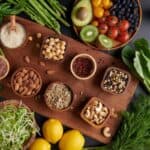
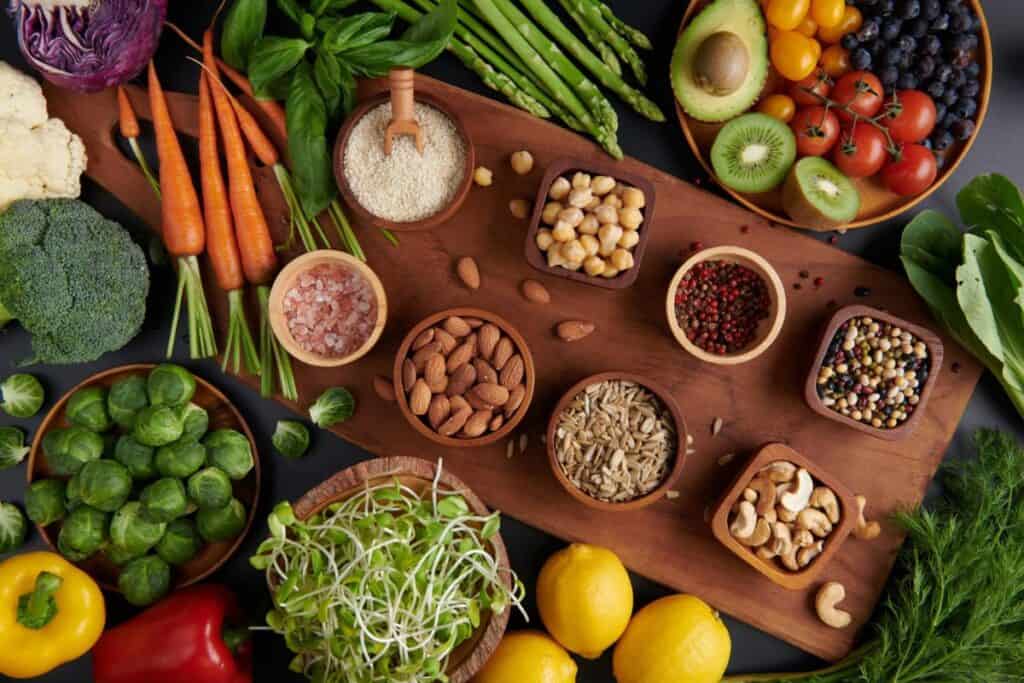
Gut health recipes are meals designed to support healthy digestion, a balanced gut microbiome, and overall digestive function. The best approach is not about following a single restrictive “gut diet,” but choosing nourishing whole foods that suit your individual needs and digestive tolerance.
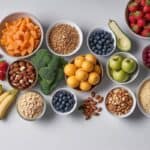
Our recipe guide provides practical breakfast, lunch, dinner, snack, and meal ideas using nutrient-dense foods, fibre-rich vegetables, quality proteins, healthy fats, herbs and spices, and other ingredients that can support long-term gut health. You’ll also find ideas for people dealing with common digestive concerns such as bloating, IBS, food intolerances, Candida overgrowth, SIBO, and microbiome imbalance.
The recipes are designed to be simple, practical, and enjoyable, helping you make healthier food choices without making meals unnecessarily complicated.
Featured Cornerstone Pages
Recipe Categories
Food Categories
What You’ll Find
Recipe Categories
Food Categories
What You’ll Find
Featured Cornerstone Pages
Explore Popular Recipes
Jump directly to the recipe you’re looking for.
Explore Popular Recipes
Jump directly to the recipe you’re looking for.
Frequently Asked Questions
Find answers to common questions about gut-friendly recipes, meal planning, ingredients, cooking methods, and choosing foods that support healthy digestion and the gut microbiome.
Not Sure What’s Causing Your Symptoms?
Complete our Free Gut Health Assessment to identify possible patterns, understand which digestive conditions may be contributing to your symptoms, and receive personalised guidance based on your answers.
Key Takeaways
- Gut-friendly eating is not about following one perfect diet; it is about choosing nourishing foods that support digestion and suit your individual tolerance.
- Building meals around whole, minimally processed foods can provide the fibre, nutrients, and plant compounds that help support a healthy gut microbiome.
- Variety matters. Eating a diverse range of vegetables, fruits, whole grains, legumes, nuts, seeds, herbs, and other nourishing foods can help support a diverse gut microbiome.
- Simple meals are often the most sustainable. You do not need complicated recipes or expensive ingredients to eat well for your gut.
- Fibre is important for digestive and microbiome health, but increasing it gradually can help reduce bloating and digestive discomfort.
- If you have IBS, SIBO, food intolerances, or other digestive concerns, recipes may need to be adapted to your individual tolerance rather than following restrictive diets indefinitely.
- Consistency matters more than perfection. Learning to prepare enjoyable, nourishing meals that you can eat regularly is one of the most practical ways to support long-term gut health.
Continue Exploring Nutritional Health
Explore our evidence-based gut health recipes and nutrition guides to discover practical ways to eat well, support digestion, and nourish a healthy gut microbiome.



Continue Exploring Nutritional Health
Explore our evidence-based gut health recipes and nutrition guides to eat well, support digestion, and nourish a healthy gut microbiome.
Eric’s Clinical Perspective

After decades of working with people with digestive problems, I’ve learned that healthy eating doesn’t need to be complicated. The most effective approach is one that you can enjoy, digest well, and maintain for the long term.
- Think long term. Gut health is not built by following a perfect diet for a few weeks. It comes from consistent eating habits, good digestion, adequate nutrition, and a lifestyle you can sustain.
- Focus on real food. Build most meals around whole and minimally processed ingredients rather than relying on packaged “health foods.”
- Variety matters. Eating a diverse range of vegetables, fruits, herbs, spices, whole-food carbohydrates, proteins, nuts, and seeds can help provide the nutrients and plant compounds your gut needs.
- Listen to your digestion. A food can be considered healthy and still not suit you. Your individual tolerance matters, particularly when your digestive system is sensitive.
- Don’t fear food unnecessarily. Long lists of forbidden foods can make eating stressful and restrictive. The goal is to discover what works for you and gradually expand your dietary choices.
- Keep meals simple. You don’t need complicated recipes, expensive ingredients, or hours in the kitchen to eat well. Simple, nourishing meals are often the easiest to maintain.
The Gut Health Recipes Hub is designed to help you turn these principles into practical, enjoyable meals you can make at home. Use these recipes as a starting point, adapt them to your individual needs, and focus on building an eating pattern that supports your gut for years to come. Eric Bakker, N.D.
Explore Other Gut Health Hubs
Continue exploring evidence-based information across the Gut Health Library.



Gut Health Resources
Find books, programs, guides, assessments, & gut health resources.

Explore Other Gut Health Hubs
Continue exploring evidence-based information across the Gut Health Library.
Gut Health Resources
Find books, programs, guides, assessments, & gut health resources.
Start Here If You Are Unsure
Not sure where to start?
Take the free 5-minute Gut Health Assessment to identify one of five gut types, understand the possible root causes of your symptoms, and receive personalised next steps for recovery..
Not sure where to start?
Take the free 5-minute Gut Health Assessment to identify one of five gut types, understand the possible root causes of your symptoms, and receive personalised next steps for recovery..
Scientific References & Evidence Base
The information and recipes in this Gut Health Recipes Hub are based on current scientific research, peer-reviewed evidence, and recognised nutrition and gut health sources. They are also informed by my years of clinical experience working with people with digestive and gut health problems.
The recipes and dietary guidance are designed to support healthy digestion, a diverse gut microbiome, and good overall nutrition. They focus on practical, whole-food approaches that can be adapted to individual needs and tolerances. Additional references and evidence are provided throughout the individual recipes and articles linked from this page.
Evidence Base
This hub brings together evidence from nutrition, gastroenterology, microbiome research and digestive health, combined with practical knowledge gained through decades of clinical experience. My aim is to make healthy eating simple, enjoyable and realistic, while helping you understand how the foods you eat can influence your gut and overall health.
Clinical Guidelines & Scientific Resources
- Rome Foundation (Rome IV Diagnostic Criteria)
- American College of Gastroenterology (ACG) IBS Clinical Guideline
- American College of Gastroenterology (ACG) SIBO Clinical Guideline
- North American Consensus on Hydrogen & Methane Breath Testing
- Monash University FODMAP Program
- European Crohn’s and Colitis Organisation (ECCO) Guidelines
- British Society of Gastroenterology (BSG) Clinical Guidelines
- NICE – Faecal Calprotectin Diagnostic Guidance (DG11)
- NIH Human Microbiome Project (HMP)
Laboratory & Diagnostic Resources
- Centers for Disease Control and Prevention (CDC)
- National Institutes of Health (NIH)
- National Center for Biotechnology Information (NCBI)
- American Society for Microbiology (ASM)
Functional Medicine & Integrative Testing
- Institute for Functional Medicine (IFM)
- Genova Diagnostics (GDX)
- Diagnostic Solutions Laboratory (GI-MAP)
- Doctor’s Data (DDI)
- Mosaic Diagnostics (formerly Great Plains Laboratory)
Major Databases
Medical Disclaimer
The information on Candida.com is provided for educational purposes only and should not be considered medical advice. Always consult a qualified healthcare professional before making decisions about your health, particularly if you have a medical condition, are pregnant or breastfeeding, or take prescription medications. Never delay or disregard professional medical advice because of information you have read on this website.
Scientific References & Evidence Base
The information and recipes in this Gut Health Recipes Hub are based on current scientific research, peer-reviewed evidence, and recognised nutrition and gut health sources. They are also informed by my years of clinical experience working with people with digestive and gut health problems.
The recipes and dietary guidance are designed to support healthy digestion, a diverse gut microbiome, and good overall nutrition. They focus on practical, whole-food approaches that can be adapted to individual needs and tolerances. Additional references and evidence are provided throughout the individual recipes and articles linked from this page.
Evidence Base
This hub brings together evidence from nutrition, gastroenterology, microbiome research and digestive health, combined with practical knowledge gained through decades of clinical experience. My aim is to make healthy eating simple, enjoyable and realistic, while helping you understand how the foods you eat can influence your gut and overall health.
Clinical Guidelines & Scientific Resources
- American College of Gastroenterology (ACG) IBS Clinical Guideline
- American College of Gastroenterology (ACG) SIBO Clinical Guideline
- North American Consensus on Hydrogen & Methane Breath Testing
- Monash University FODMAP Program
- Rome Foundation (Rome IV Diagnostic Criteria)
- European Crohn’s and Colitis Organisation (ECCO) Guidelines
- British Society of Gastroenterology (BSG) Clinical Guidelines
- NICE – Faecal Calprotectin Diagnostic Guidance (DG11)
- NIH Human Microbiome Project (HMP)
Laboratory & Diagnostic Resources
- Centers for Disease Control and Prevention (CDC)
- National Institutes of Health (NIH)
- National Center for Biotechnology Information (NCBI)
- American Society for Microbiology (ASM)
Functional Medicine & Integrative Testing
- Institute for Functional Medicine (IFM)
- Genova Diagnostics (GDX)
- Diagnostic Solutions Laboratory (GI-MAP)
- Doctor’s Data (DDI)
- Mosaic Diagnostics (formerly Great Plains Laboratory)
Major Databases
Medical Disclaimer
The information on Candida.com is provided for educational purposes only and should not be considered medical advice. Always consult a qualified healthcare professional before making decisions about your health, particularly if you have a medical condition, are pregnant or breastfeeding, or take prescription medications. Never delay or disregard professional medical advice because of information you have read on this website.
