
Home > Candida and Fungal Overgrowth
Know someone with these symptoms? Show them this

Candida and Fungal Overgrowth

Your complete guide to Candida symptoms, causes, diagnosis, treatment, diet and recovery.

Written & Clinically Reviewed by Eric Bakker, N.D. • Last Updated: August 2026 • 12 min read

Candida and Fungal Overgrowth

Evidence-based guidance on Candida symptoms, causes, diagnosis, treatment, diet and long-term recovery.

Evidence-Based

Gut Microbiome Focused

Root Cause Approach

Written & Clinically Reviewed by Eric Bakker, N.D. • Last Updated: August 2026 • 12 min read

Candida and Fungal Overgrowth Overview

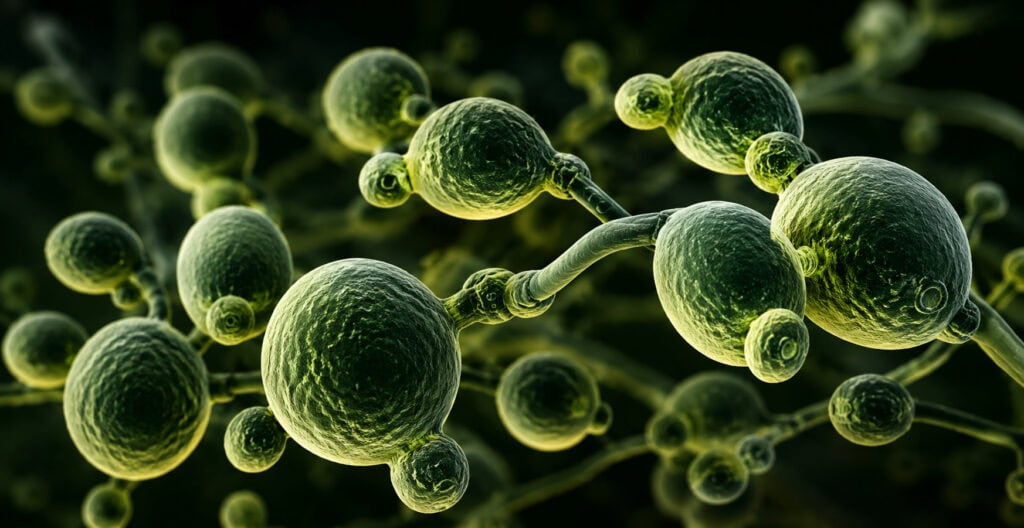
Candida is a naturally occurring yeast that forms part of the normal human microbiome, living primarily in the digestive tract, mouth, skin, and other mucosal surfaces. Under certain conditions, such as antibiotic use, poor diet, chronic stress, immune dysfunction, or disruption of the gut microbiome, Candida can multiply excessively and contribute to a wide range of digestive and systemic symptoms.

This hub provides evidence-based information on Candida overgrowth, including its biology, common causes, risk factors, symptoms, diagnosis, treatment options, diet, natural therapies, and long-term recovery strategies. It also explores how Candida may overlap with conditions such as IBS, SIBO, leaky gut, and gut microbiome depletion, helping you better understand your digestive health and make informed decisions about treatment.

Candida & Fungal Overgrowth Overview

Conditions Covered

  • Fungal Overgrowth
  • Intestinal Candida
  • Oral Thrush
  • Skin Infections
  • Vaginal Infections
  • Jock Itch
  • Nail Infections
  • Men’s Infections

Common Symptoms

  • Bloating & Gas
  • Skin Rashes & Itching
  • Sugar Cravings
  • Recurring Infections
  • Brain Fog & Fatigue
  • Constipation

Diagnosis and Recovery

  • Symptom Assessment
  • Diet and Nutrition
  • Laboratory Testing
  • Gut Restoration
Candida and Fungal Overgrowth Overview

Conditions Covered

  • Fungal Overgrowth
  • Intestinal Candida
  • Oral Thrush
  • Skin Infections
  • Vaginal Infections
  • Jock Itch
  • Nail Infections
  • Men’s Infections

Common Symptoms

  • Bloating & Gas
  • Skin Rashes & Itching
  • Sugar Cravings
  • Recurring Infections
  • Brain Fog & Fatigue
  • Constipation

Diagnosis and Recovery

  • Symptom Assessment
  • Diet and Nutrition
  • Laboratory Testing
  • Gut Restoration
Key Facts

Yeast Type Candida albicans

Body Sites Gut – Mouth – Skin – Vagina

Risk Factors Antibiotics – Sugar – Steroids

Symptoms Bloating – Fatigue – Itching

Treatment Restore the gut microbiome

What You’ll Learn

Primary & Maintaining Causes

Signs & Symptoms

Diagnosis & Treatment

Diet & Lifestyle

Recovery & Prevention

Key Facts

Yeast Type Candida albicans

Body Sites Gut – Mouth – Skin – Vagina

Risk Factors Antibiotics – Sugar – Stress – Steroids

Symptoms Bloating – Fatigue – Itching – Thrush

Treatment Restore the gut microbiome

What You’ll Learn

Primary & Maintaining Causes

Signs & Symptoms

Diagnosis & Treatment

Diet & Lifestyle

Recovery & Prevention

Explore Popular Topics

Jump directly to the information you’re looking for.

Explore Popular Topics

Jump directly to the information you’re looking for.

Frequently Asked Questions

Find answers to the most common questions about Candida overgrowth, including its causes, symptoms, diagnosis, treatment, diet and long-term recovery. For more detailed information, explore the in-depth guides throughout the Candida Library.

Yes. Recurrence is possible if the underlying causes remain unresolved. I’ve seen this occur on many occasions with patients when the underlying cause has not been adequately dealt with. For example, repeated antibiotic use, poor diet, unmanaged stress or persistent gut dysbiosis may allow symptoms to return.

Long-term prevention focuses on:

  • Supporting the gut microbiome
  • Eating a healthy fresh-food diet
  • Maintaining good digestive health
  • Managing your stress
  • Maintaining fitness
  • Improving your sleep patterns
  • Avoiding unnecessary antibiotics (and other medications) where possible

Addressing these factors can help reduce the likelihood of recurrence.

Learn more in our Recovery & Prevention guide.

Candida is a naturally occurring yeast that normally lives harmlessly in our digestive tract, mouth, skin and other areas of the body. In a healthy gut microbiome, our beneficial bacteria help keep Candida albicans under control.

Problems may develop when this natural balance is disrupted. Antibiotics, certain medications like steroids, illness, poor diet, chronic stress or other factors can allow Candida species to multiply beyond normal levels. Some people may then experience digestive symptoms, brain fog, fatigue, recurrent fungal infections or other health concerns such as vaginal yeast infection, or oral thrush.

Although Candida overgrowth and infection is often discussed online, not every digestive or other symptom is caused by yeast overgrowth. Proper assessment is important before beginning treatment.

There is rarely a single cause of Candida overgrowth or infection. In my clinical experience, Candida overgrowth is usually the result of several contributing factors occurring simultaneously.

Some of the most common contributors include:

  • Repeated antibiotic use
  • Diets high in refined sugar and ultra-processed foods
  • Corticosteroid medications (asthma, skin infections, etc.)
  • Diabetes or poor blood sugar control
  • Chronic low-grade stress
  • Poor digestive function
  • Gut microbiome disruption
  • Reduced immune resilience

Successful treatment focuses on identifying and addressing these underlying factors rather than simply trying to eliminate yeast.

Symptoms vary considerably from person to person and often overlap with other digestive disorders.

Common symptoms may include:

  • Bloating
  • Excess gas
  • Sugar cravings
  • Fatigue
  • Brain fog
  • Oral thrush (white tongue)
  • Itching (skin, ears, scalp, feet, genital area, rectal, etc.)
  • Vaginal thrush
  • Skin irritation or rashes
  • Digestive discomfort

These symptoms are not specific to Candida imbalance and can also occur with IBS, SIBO, food intolerances and other gut conditions. For this reason, in my clinical experience, symptoms alone cannot confirm a diagnosis.

There is no single test that confirms every case of Candida overgrowth. Diagnosis often involves combining your medical history, symptoms and, where appropriate, laboratory testing.

Depending on your situation, testing may include:

  • Stool analysis
  • Organic acids testing
  • Blood tests
  • Swabs for fungal infections
  • Clinical examination

Not everyone requires laboratory testing. In many cases, an experienced healthcare practitioner will use your overall clinical picture to determine the most appropriate next steps.

Yes, absolutely. Candida albicans normally forms part of the human gut microbiome, but excessive growth may contribute to digestive symptoms in some people. In fact, some studies have revealed it may play an important role in helping our gut bacteria when in balance.

Recent research suggests that disturbances in the gut microbiome can influence the balance between beneficial bacteria and naturally occurring yeasts. This imbalance, known as dysbiosis, may occur alongside conditions such as IBS, SIBO or food intolerances.

Because these conditions frequently overlap, identifying the underlying drivers is often more important than focusing on Candida overgrowth alone.

Most practitioners recommend reducing foods that encourage poor gut health, while some others recommend extremely restrictive diets which from clinical experience I find unhelpful in the long-term.

Most all people however benefit from limiting the following, whether they have Candida imbalance or not:

  • Refined sugars
  • Sweetened drinks (sodas, etc.)
  • Excess alcohol
  • Ultra-processed foods
  • Highly refined carbohydrates
  • Junk foods

Instead, focus on green leafy vegetables, quality lean protein, healthy fats, fibre-rich foods and fermented foods where appropriate. Individual dietary needs vary, so there is no single Candida diet that suits everyone.

Beneficial bacteria play an important role in maintaining a healthy balance within the gut microbiome. Certain probiotic strains may help support digestive health and encourage a healthier microbial environment.

However, probiotics are only one part of recovery. Long-term improvement usually involves addressing diet, digestive function, lifestyle factors and any underlying causes contributing to imbalance.

Not every probiotic is the same, so choosing clinically researched strains is important.

Clinically I’ve found recovery varies widely between people. Some people notice improvements within a few weeks, while others require several months of consistent dietary and lifestyle changes. Others who have been chronically unwell make take a year or even more before recovery can be expected.

Your recovery very much depends on factors such as:

  • The severity of your symptoms
  • If you have any underlying health conditions
  • Your gut microbiome health
  • Your diet and lifestyle
  • Your stress levels
  • Your sleep patterns
  • How consistent you are with treatment

Rather than aiming for a quick fix, most successful programmes focus on gradually restoring long-term gut health.

Persistent digestive symptoms, recurrent fungal infections or symptoms that significantly affect your quality of life should always be discussed with a qualified healthcare professional.

Medical advice is particularly important if you:

  • Have diabetes
  • Are pregnant
  • Have a weakened immune system
  • Develop severe or recurrent infections
  • Experience unexplained weight loss, bleeding or persistent pain

A healthcare professional can help determine whether Candida is involved or whether another condition requires investigation.

Key Takeaways

  • Candida is a normal yeast that only becomes problematic when it grows excessively.
  • Antibiotics, diet, stress and gut microbiome disruption are common contributors.
  • Symptoms vary from digestive complaints to recurrent fungal infections.
  • Long-term recovery focuses on restoring gut health—not simply killing yeast.
  • Diet, lifestyle and evidence-based supplements can support recovery.
  • Recovery takes time and addressing root causes helps prevent recurrence.
  • Explore the guides throughout this library for detailed information on every stage of your recovery.

Continue Exploring Gut Health

Continue your gut health journey with these evidence-based guides on related digestive conditions and treatments.


Continue Exploring Gut Health

Continue your gut health journey with these evidence-based guides on related digestive conditions and treatments.

Eric’s Clinical Perspective

After working for years in clinical practice with countless patients affected by fungal overgrowth , I’ve found that the people who recover most successfully long-term tend to have these six things in common:

  • They look beyond simply “killing” Candida or other fungal species.
  • They seek out and and address their underlying hidden causes and triggers.
  • They focus on rebuilding a healthy gut microbiome through diet and lifestyle.
  • They improve diet and lifestyle gradually rather than chasing quick fixes or hacks.
  • They use evidence-based treatments appropriate to their individual situation.
  • They understand that lasting recovery is a process, not an overnight cure.

This library is built on those principles and is designed to help you make informed decisions at every stage of your recovery. Eric Bakker, N.D.

Explore Other Gut Health Hubs

Continue exploring evidence-based information across the Gut Health Library.
Gut Health Resources

Find books, programs, guides, assessments, & gut health resources.

current guide

Explore Other Gut Health Hubs

Continue exploring evidence-based information across the Gut Health Library.

Gut Health Resources

Find books, programs, guides, assessments, & gut health resources.

current guide

Start Here If You Are Unsure

Not sure where to start?

Take the free 5-minute Gut Health Assessment to identify one of five gut types, understand the possible root causes of your symptoms, and receive personalised next steps for recovery..

Not sure where to start?

Take the free 5-minute Gut Health Assessment to identify one of five gut types, understand the possible root causes of your symptoms, and receive personalised next steps for recovery..

Scientific References & Evidence Base

The information on this page has been reviewed against current clinical guidelines and peer-reviewed research from recognised medical organisations. This reference list highlights key sources used to develop this Candida and Fungal Overgrowth hub page. Additional topic-specific studies and citations are provided throughout the individual guides and articles linked from this page.

Evidence Base

This guide has been developed using peer-reviewed scientific literature, clinical practice guidelines and authoritative health resources. It is reviewed regularly to reflect current evidence. Additional references are included throughout the individual articles within the Candida Library.

Major Databases

Medical Disclaimer
The information on Candida.com is provided for educational purposes only and should not be considered medical advice. Always consult a qualified healthcare professional before making decisions about your health, particularly if you have a medical condition, are pregnant or breastfeeding, or take prescription medications. Never delay or disregard professional medical advice because of information you have read on this website.

Scientific References & Evidence Base

The information on this page has been reviewed against current clinical guidelines and peer-reviewed research from recognised medical organisations. This reference list highlights key sources used to develop this Candida and Fungal Overgrowth hub page. Additional topic-specific studies and citations are provided throughout the individual guides and articles linked from this page.

Evidence Base

This guide has been developed using peer-reviewed scientific literature, clinical practice guidelines and authoritative health resources. It is reviewed regularly to reflect current evidence. Additional references are included throughout the individual articles within the Candida Library.

Major Databases

Medical Disclaimer
The information on Candida.com is provided for educational purposes only and should not be considered medical advice. Always consult a qualified healthcare professional before making decisions about your health, particularly if you have a medical condition, are pregnant or breastfeeding, or take prescription medications. Never delay or disregard professional medical advice because of information you have read on this website.