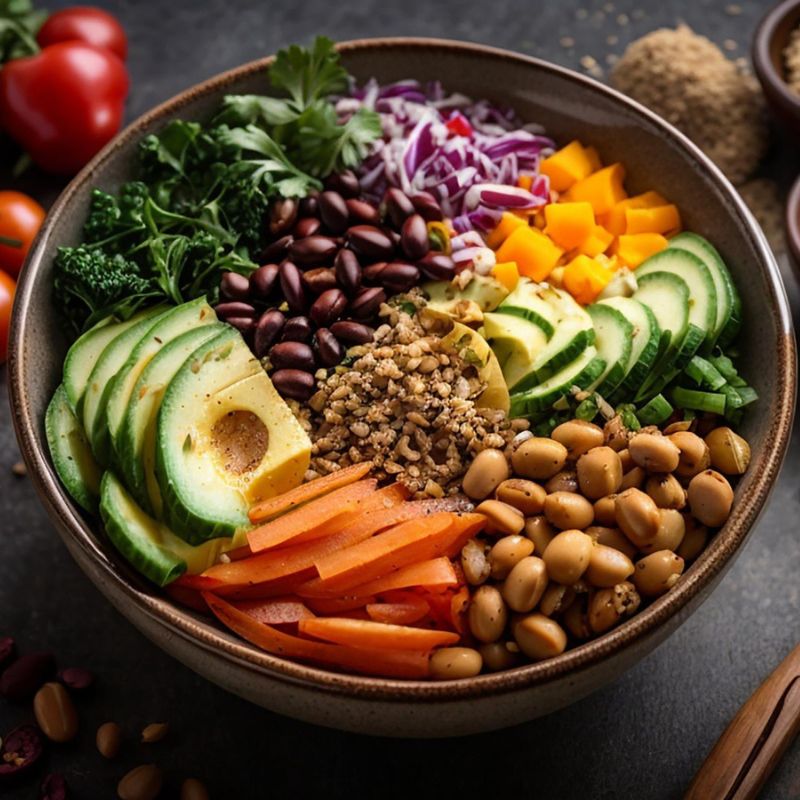
Anti Candida Diet

Anti-Candida Diet: A Practical Guide to Eating for Gut Health
An anti-Candida diet focuses on fresh, minimally processed foods, less added sugar, and a balanced approach to nutrition. It aims to support digestive health and a healthy gut microbiome without relying on unnecessary food restrictions.
After almost 40 years of working in natural health, I have learned that there is no single diet that suits everyone. Some people need to pay close attention to food triggers. Others benefit most from reducing processed foods, improving their diet quality, and building healthier daily habits.
The goal is not to fear food. It is to understand how your food choices affect your digestion, energy, and overall well-being. In this guide, I’ll explain the principles behind an anti-Candida diet, which dietary changes are worth considering, and how to develop an approach you can maintain over the long term.
If you want a detailed list of foods to eat, limit, or test according to your personal tolerance, see our Complete Candida Diet Food List.
Candida is a type of yeast that can live naturally in and on the human body. Under certain conditions, it can multiply and cause an infection. The type and location of the infection matter, and suspected Candida infections sometimes need medical assessment and treatment.
The term anti-Candida diet describes a range of eating plans intended to support people concerned about Candida. These diets often reduce added sugar and highly processed foods while emphasising vegetables, quality protein, healthy fats, and other nutrient-dense foods.
However, there is an important distinction between supporting general health and treating an infection.
There is currently limited clinical evidence that a specific Candida diet can treat a diagnosed Candida infection on its own. Improving your diet can support general health, but it should not replace appropriate medical diagnosis or treatment when these are needed.
I favour a balanced, whole-food approach rather than an extreme diet built around a long list of forbidden foods.
What Is An Anti-Candida Diet?
Candida albicans is a type of yeast that can live naturally in and on our body. Under certain conditions, it can multiply and cause an infection. The type and location of the fungal infection matters, and when serious enough, suspected Candida infections sometimes need medical assessment and treatment. Serious life-threatening Candida infections (systemic Candidiasis) tend to be rare and mainly occur in those in a hospital setting, or those who have serious immune dysfunction.
The term anti-Candida diet describes a range of eating plans intended to support people concerned about Candida. These diets often reduce added sugar and highly processed foods while emphasising vegetables, quality protein, healthy fats, and other nutrient-dense foods.
However, there is an important distinction between supporting general health and treating an infection. There is currently limited clinical evidence that a “specific Candida diet” can treat a diagnosed Candida infection on its own. Improving your diet can support general health, but it should never replace appropriate medical diagnosis or treatment when these are needed.
Personally, I’ve always favoured a balanced and whole-food approach rather than an extreme diet built around a long list of forbidden foods.

The Evolution of the Anti-Candida Diet
When I began working in natural health in the late 1980s, information about Candida and diet was far less accessible than it is today. One influential book was The Yeast Syndrome, published in 1983 by Dr John Parks Trowbridge (image) and Morton Walker.
Older Candida diets often relied on very-strict food restrictions. Some Candida diets like the “MEVY” diet, focused heavily on meat, eggs, vegetables, and yogurt, while excluding many fruits, grains, and other foods.
Our understanding of nutrition and the gut microbiome has developed considerably since then. We now know that the foods we eat affect many aspects of health, including the supply of fibre and other nutrients available to our gut microbes.
For this reason, I favour a more flexible approach. Instead of following rigid rules simply because they appear in a traditional Candida diet, I encourage people to consider their nutritional needs, digestive symptoms, food tolerance, and long-term health goals. A sensible anti-Candida diet should nourish your health and be satisfying, not leave you anxious about many kinds of food groups you eat, such as fruits, grains, and legumes.
Why Your Diet Really Matters For Gut Health
Your digestive tract is home to a very large community of microorganisms, including many species of bacteria and fungi. These organisms interact with each other and with your body in complex ways.
One of the primary contributors to fungal overgrowth is a poor diet. Consuming excessive added sugars and inflammatory foods creates the ideal conditions for Candida albicans to flourish.
Fortunately, making strategic dietary changes can inhibit and even reverse its growth. By adopting a fresh whole-foods diet, you can restore gut microbial balance and reclaim your digestive and overall health.
Research has revealed that Candida albicans can disrupt our gut microbiome, reduce beneficial bacteria, and contribute to mucosal bacterial dysbiosis in our digestive system. More than 20 years of comprehensive stool analysis in our clinic has consistently revealed that individuals with high Candida levels often have major bacterial imbalances—elevated harmful bacteria and depleted beneficial bacterial strains.
The gut microbiome helps break down certain foods, supports normal digestive function, and plays an important role in the development and activity of the immune system.
When the balance of this microbial community changes, the condition is often described as gut dysbiosis. Many factors can influence the gut microbiome, including diet, medications, illness, and other aspects of health.
Candida is only one part of this picture. Digestive symptoms can have many possible causes, and symptoms such as bloating, fatigue, and changes in bowel habits do not prove that you have Candida overgrowth.
Other conditions, including irritable bowel syndrome (IBS), small intestinal bacterial overgrowth (SIBO), and food intolerances, may also need consideration.
This is why I believe it is important to look at the whole picture rather than blaming every digestive problem on yeast.
This gut microbiome imbalance underscores the importance of eating the right foods in any anti-Candida diet. It is important also to point out that gut dysbiosis isn’t just about fungal overgrowth; it can also involve other fungal and bacterial imbalances including:
For these reasons, I advocate incorporating antimicrobial foods in Candida recovery protocols.
Our comprehensive guide explores all of the very best anti-fungal foods, herbs, and dietary supplements that effectively combat Candida and dysbiotic bacteria while also helping eliminate harmful parasites.
7 Key Anti-Candida Diet Principles
To effectively manage Candida overgrowth and SIBO, consider these core anti-Candida dietary principles:
1 -Reduce Added Sugars and Processed Foods
- Start by looking at the foods and drinks you consume most often. I recommend you reduce highly-processed foods especially.
- Sugary drinks, sweets, pastries, and ultra-processed snacks can add large amounts of sugar, salt, and energy without providing much nutritional value. Reducing these foods can improve the overall quality of your diet.
- You do not need to assume that every carbohydrate feeds Candida in a way that causes an infection. Nor does everyone need to eliminate all fruit, gluten, grains, or starchy vegetables.
- Your first focus is on replacing highly processed choices with healthier and fresher alternatives.
- Avoid inflammatory foods and consume anti-inflammatory foods instead, including excessive red meat and processed meat, fried and deep-fried foods, dairy (for sensitive people), artificial sweeteners, and additives.
2 – Support Digestive Function
- Healthy digestion involves more than choosing foods that are described as antifungal.
- Regular meals, adequate nutrition, sufficient fluid, and a varied diet can all contribute to normal digestive function. Some people may also benefit from professional advice about their bowel habits, food intolerances, or digestive symptoms.
- Include foods that promote digestive enzyme activity and stomach acid production, such as apple cider vinegar and lemon water. Try digestive enzymes or my ACV Digestive shot.
- If a particular food or drink causes discomfort, consider your individual response rather than assuming that it is necessary for recovery.
3 – Include Herbs, Spices and Antimicrobial Foods
- Garlic, ginger, cinnamon, cloves, oregano, and other herbs and spices contain compounds that have attracted scientific interest for their antimicrobial activity.
- These ingredients can add flavour and variety to your meals. Some compounds have shown antimicrobial effects in laboratory research, but this does not mean that eating these foods will eradicate Candida or treat an established infection in the human body.
- I see herbs, spices, and other plant foods as useful parts of a varied diet, not as a substitute for appropriate treatment. Balanced antimicrobial supplements are a great adjunct to any anti-Candida diet.
For more detail, read our guide to antimicrobial foods.
4 – Consume Nutrient-Dense Foods
5 – Encourage Healthy & Diverse Gut Microbiome
- Fibre-rich plant foods provide important nutrients for gut bacteria. Vegetables, legumes, whole grains, nuts, seeds, and suitable fruits can help increase the variety of foods in your diet.
- Prebiotic foods contain substances that certain beneficial gut microbes can use. Examples include onions, garlic, asparagus, and legumes, although tolerance varies between individuals.
- A wider variety of plant foods can help you obtain different fibres and nutrients. Increase fibre gradually if you are not used to eating much of it, particularly if you experience bloating.
- For more information, explore our resources on a fibre-rich diet, diet diversity and gut microbiome health.
6 – Consider Fermented Foods and Probiotics
- Foods such as plain yogurt, kefir, sauerkraut, and kimchi can form part of a healthy diet if you tolerate them.
Some fermented foods contain live microorganisms, while others may not contain meaningful amounts of live cultures by the time they are eaten. - Probiotic supplements also differ in their strains, doses, and evidence for specific uses.
- You do not have to eat fermented foods if you dislike them or find that they trigger symptoms. If you have food sensitivities, introduce unfamiliar foods carefully.
The goal is to build a varied diet that suits you, rather than forcing yourself to eat particular foods because they are labelled as probiotic. - For more information, explore our resources on probiotic-rich foods and the best probiotic supplements.
7 – Drink Enough Water and Build Healthy Habits
- Water supports your body’s normal hydration and helps your body function properly as well as optimally. Your fluid needs depend on factors such as activity, climate, diet, and health.
- Regular physical activity, sufficient sleep, and practical ways to manage stress are also important parts of a healthy lifestyle.
- There is no need to follow an extreme detox routine to support your body’s normal waste-removal processes. Your liver and kidneys already perform essential roles in processing and removing waste products.
- We recommend you keep your approach simple and sustainable. Small changes that you can maintain are often more useful than a complicated plan that becomes difficult to follow.
- For more information, explore our resources on healthy drinks and building healthy lifestyle habits.
What Should You Eat On An Anti- Candida Diet?
There is no single scientifically established list of foods that everyone with Candida must eat or avoid.
As a general starting point, I recommend you consider including:
- All kinds of vegetables, many different colours and types.
- Suitable fruits, including berries, avocados and other fruits you tolerate.
- Lean protein sources such as eggs, fish, poultry, tofu, and legumes.
- Nuts and seeds.
- Whole grains and other fibre-rich foods that suit your digestion.
- Healthy fats, including olive oil and avocado.
- Plain yogurt, kefir, sauerkraut or other fermented foods if tolerated.
- Water and unsweetened drinks.
You may also choose to reduce added sugars, sugary drinks, highly processed snacks, and frequent deep-fried foods.
Some people many need to adapt their intake of particular foods because of food allergies or intolerances, digestive conditions, or other medical needs. For example, someone with coeliac disease must avoid gluten, while many other people may tolerate gluten-containing grains perfectly well without any difficulty.
There is basically no right or wrong approach, it all depends on your circumstances. For more specific recommendations and practical examples, visit our Complete Candida Diet Food List. That guide covers foods to eat, foods to limit, and foods that may require individual testing.
Do You Need to Avoid Gluten, Dairy, Fruit, or Fermented Foods?
You will find this to be one of the most confusing parts of the Candida diet.
Some Candida diet plans recommend avoiding all sources of gluten, dairy, all fruit, mushrooms, fermented foods, and many other ingredients. However, these restrictions are not necessary for everyone concerned about Candida, and in my clinical experience this advice is based mainly on personal opinions and not on any scientific fact.
A food may cause symptoms in one person and be perfectly well tolerated by another. An allergy, a diagnosed medical condition, or a specific food intolerance may justify avoiding a particular food. But a long list of restrictions is not automatically better, and in most cases unnecessary.
In my experience, it is more useful to focus on the overall quality of your diet and lifestyle and identify genuine problem foods rather than to eliminate entire food groups without a clear reason based on here-say.
If you suspect a food is triggering symptoms, keep a food and symptom record. When appropriate, a structured elimination and reintroduction diet process can help you assess your tolerance. You may ant to seek professional advice before undertaking a restrictive diet, especially if you have a medical condition or are at risk of nutritional deficiencies.
Personalise Your Diet Instead of Following Rigid Rules
One of the biggest mistakes I see is people becoming so concerned about forbidden foods that they lose sight of the basics.
They may spend weeks worrying about a particular fruit or vegetable while continuing to eat large amounts of highly processed food. Others remove so many foods that their diet becomes monotonous or nutritionally inadequate.
A better approach is to start with a sound foundation.
Choose foods you enjoy. Eat a range of nutrient-dense ingredients. Reduce the processed foods that contribute little to your nutrition. Pay attention to your symptoms and make changes when there is a good reason to do so.
If you have persistent or recurring digestive symptoms, do not automatically assume that Candida is responsible. Consider getting appropriate medical advice to investigate other possible causes.
You do not have to achieve a perfect diet overnight. Start with a few realistic changes and build from there.
When Is More Than Diet Needed?
Diet can support general health, but it is not a complete treatment plan for every digestive problem.
The appropriate next step depends on your symptoms and the condition being investigated. A confirmed Candida infection may require antifungal medication. Persistent bloating, diarrhoea, constipation, abdominal pain, or recurring infections may also warrant medical assessment.
It is important to avoid treating every change in symptoms as evidence of Candida die-off. Headaches, fatigue, bloating, and other symptoms can have many causes and should not automatically be attributed to microorganisms dying.
If symptoms are severe, persistent, or worsening, seek advice from a qualified healthcare professional.
How the Lite Program Fits In
For people who want a more structured approach to dietary change, the 8-week Lite Program provides a simple 3-step framework for working on diet and gut health.
The program covers dietary foundations and strategies for building healthy eating habits. It is designed to help you develop a more personalised approach instead of relying on a permanent list of forbidden foods.
No program can guarantee that a particular diet will eradicate Candida or resolve every digestive symptom. The aim is to help you make informed dietary choices and build habits that support your longer-term health.
If you want more guidance, explore the Lite Program and decide whether its approach suits your needs.
For more information, explore our resources on our food elimination and reintroduction guide. You can also read more about foods to eat, foods to avoid, and foods that require individual consideration in our dedicated food-list guide.
Key Take-Aways
- An anti-Candida diet generally emphasises whole, minimally processed foods and limits added sugars and highly processed products.
- There is limited clinical evidence that a specific diet can treat a diagnosed Candida infection on its own.
- A varied, nutrient-dense diet can support general health and gut function.
- Antimicrobial herbs and spices can add variety to meals, but they should not be regarded as proven treatments for Candida infection.
- Not everyone needs to eliminate gluten, dairy, fruit, or fermented foods.
- Personal tolerance, nutritional needs, and medical conditions should guide dietary choices.
- Persistent or recurring symptoms deserve proper assessment rather than an assumption that Candida is the cause.
The Bottom Line
A sensible anti-Candida diet should be nourishing, flexible, and realistic. It should help you make better food choices without creating unnecessary fear around eating.
Start by improving the quality and variety of your diet. Reduce highly processed foods, pay attention to your individual tolerance, and build habits that you can maintain.
Remember, the aim is not simply to follow a list of foods. It is to develop a healthier relationship with food while supporting your digestive and overall health. For detailed food recommendations, visit our Complete Candida Diet Food List.
For further guidance on gut health, explore our related articles on diet diversity, antimicrobial foods, prebiotic and probiotic foods, and gut microbiome health.
Thank you for reading. If you have a question or a practical tip that may help others improve their eating habits, feel free to leave a comment below.