Bone Broth
Bone Broth is a nutrient dense food and a rich source of collagen, aminos, vitamins and minerals to support immunity, energy, and gut health. Learn how to make the best bone broth.


Bone Broth is a nutrient dense food and a rich source of collagen, aminos, vitamins and minerals to support immunity, energy, and gut health. Learn how to make the best bone broth.

Examples are fermented foods, starchy root vegetables, low sugar fruit, and beans. At the beginning of your Candida Cleanse you might choose to include some of these foods.

Sourdough bread is made by fermenting dough with natural lactobacilli and yeast, producing lactic acid for its sour flavour and extended shelf life.
Learn how to make sourdough bread, a core type of fermented food. Sourdough has a sour taste and a light, airy texture. It represents tradition and skill, as well as a level of craftsmanship. Are you up to the challenge? Natural fermentation, in which wild yeasts and bacteria turn everyday ingredients into something amazing, produced in every loaf. Sourdough is delicious and good for you, from its crispy outside to its chewy inside. Enjoy the history and health benefits of this ancient bread, and taste the true essence of fermented food.

Your Ultimate Candida Diet Food List and Shopping Guide If you’re looking for a candida diet food list to guide your grocery shopping, you’re…

While there are many nutritional principles, the following six are the most crucial to grasp and implement first. These principles can significantly impact overall well-being and serve as a base for more advanced concepts.

Carbohydrates are essential nutrients that provide the body with energy. They are classified into simple carbs (sugars) and complex carbs (starches and fiber). Simple carbs are quickly digested and can cause rapid spikes in blood sugar, while complex carbs take longer to digest, offering sustained energy and supporting digestion. Foods like fruits, vegetables, whole grains, and legumes are great sources of complex carbs, promoting overall health and balanced blood sugar levels.

Irritable bowel syndrome (IBS) is a common gastrointestinal disorder characterised by abdominal pain, bloating, and changes in bowel habits. While the exact cause of IBS remains unknown, factors such as diet, stress, and gut health play significant roles in symptom management. Understanding triggers and adopting lifestyle changes can greatly improve the quality of life for those with IBS.

Nutrient-dense foods are foods that provide lots of nutrients without providing lots of calories. Nutrient-rich foods are foods know to contain some of the highest levels of vitamins, minerals, complex carbs, lean protein, and healthy fats.
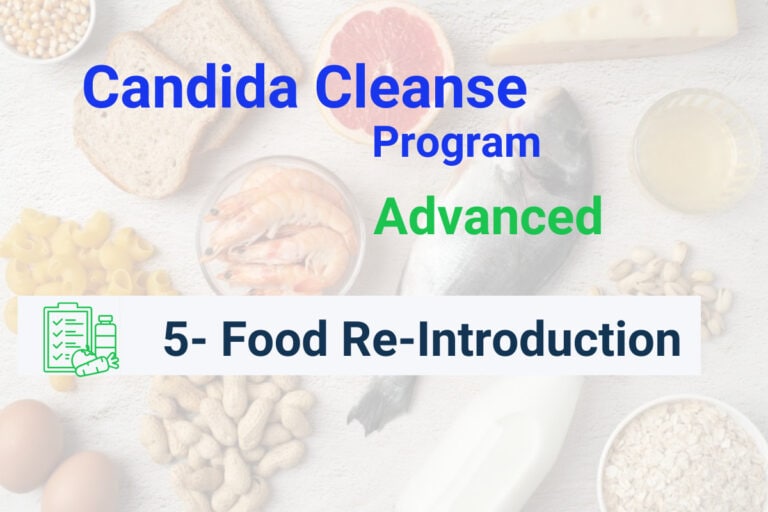
Reintroducing fruits, vegetables, and other foods after an elimination diet might seem simple—but it’s easy to get it wrong. With the right guidance, though, the process becomes much smoother and more successful.
After giving your gut time to heal, many foods you once reacted to—yes, even those long-missed favourites like bread, potatoes, or sweet fruits—can often be enjoyed again. The key is knowing how to re-introduce them properly, and that’s exactly what I’ll guide you through in this web page.

The key area to focus on with any elimination diet first are the food allergies, allergies to the most common foods, in addition to avoiding or being aware, of commonly occurring sugars, starches, or food chemicals your gut can’t seem to tolerate for some reason.
It’s important not to confuse food allergies with food intolerances. While both can cause uncomfortable symptoms, they are distinct conditions. Let’s discuss both and more in this comprehensive blog post.
candida.com
Discover what’s going on inside your gut today
Take the free 5-minute assessment and uncover the causes of your digestive symptoms, including:
✓ Candida Overgrowth
✓ SIBO & IBS
✓ Bloating & Food Intolerances
✓ Leaky Gut & Microbiome Imbalances
✓ Fatigue, Brain Fog & Digestive Symptoms
© 2026 candida.com.
* The statements on candida.com have not been evaluated by the FDA. Our website candida.com and all content on this website is not intended to diagnose, treat, cure, or prevent any disease. Information is presented for educational purposes only and is not intended to replace the advice of your healthcare professional.
Candida.com
Support
Discover what’s really going on inside
Take the free 5-minute Gut Health Assessment and uncover causes of your digestive symptoms, including:
✓ Candida Overgrowth
✓ SIBO & IBS
✓ Bloating & Food Intolerances
✓ Leaky Gut & Microbiome Imbalances
✓ Fatigue, Brain Fog & Digestive Symptoms
your gut today:
Join more than 1,000 people who have taken this assessment:
©2026 candida.com.
* The statements on candida.com have not been evaluated by the FDA. Our website candida.com and all content is not intended to diagnose, treat, cure, or prevent any disease. Information is presented for educational purposes only and is not intended to replace the advice of your healthcare professional.
