Nuts And Seeds
Nuts and Seeds: A Cornerstone of a Healthy Diet Nuts and seeds are nature’s compact powerhouses of nutrition, even though they may appear tiny,…


The Diet and Nutrition category is your essential resource for understanding how the right foods—and the right habits—can help rebalance the gut, reduce Candida overgrowth, and restore long-term wellness. Whether you’re just starting out or refining your approach, this section walks you through the foundations of a Candida-safe diet grounded in whole, natural, and therapeutic foods.
You’ll learn how to make powerful dietary changes that reduce inflammation, stabilise blood sugar, and discourage the growth of yeast and harmful bacteria. With expert insights and practical tools, you’ll discover how to eat in a way that supports microbiome healing, detoxification, and digestive repair—while still enjoying your meals.
The Diet and Nutrition category includes:
As Eric Bakker ND often explains, this shouldn’t be seen as a rigid “Candida diet” — because consistently eating well benefits your whole body, regardless of the label. Our guidance on Candida and gut health nutrition is evidence-based, clinically informed, and grounded in years of real-world experience.
Key Diet and Nutrition Pages
The Candida diet is not some short-term “cleanse”—it’s a lifestyle built on evidence-based principles, clinical experience, and traditional wisdom. A diet rich fruits and vegetables, cultured foods, and targeted supplements can help reduce pathogenic load while rebuilding the gut with beneficial flora.
As you’ll discover, eating for Candida recovery isn’t about restriction—it’s about renewal. Many people report clearer skin, improved mood, better digestion, and increased energy within just weeks of starting.
The Candida diet is a targeted, low-sugar, whole-foods approach designed to deprive Candida and dysbiotic bacteria of its fuel—while nourishing the body with what it truly needs to heal. The anti-Candida diet focuses on:
Candida albicans is part of the normal gut microbiota, but when its environment becomes unbalanced—due to antibiotics, stress, or poor diet—it can shift into an invasive, pathogenic form. Left unchecked, overgrowth can contribute to fatigue, brain fog, bloating, skin conditions, and more (Pérez 2021).
By adopting the Candida diet, you’re not just eliminating yeast-promoting foods—you’re resetting your entire internal ecosystem. The benefits often extend far beyond digestive health, supporting weight balance, blood sugar control, hormonal harmony, and even mental clarity.
Whether you’re dealing with long-standing gut issues or simply want to optimize your diet for better energy and resilience, this section will help you take confident, informed steps toward a healthier, yeast-free life.
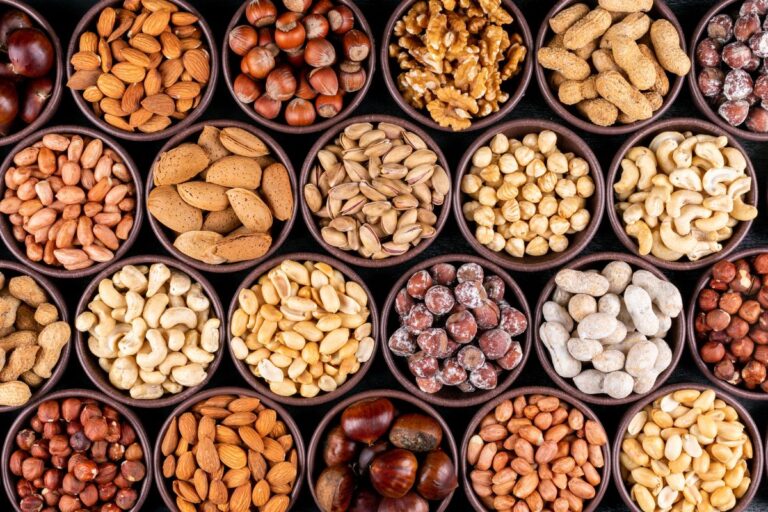
Nuts and Seeds: A Cornerstone of a Healthy Diet Nuts and seeds are nature’s compact powerhouses of nutrition, even though they may appear tiny,…

When we think of protein we generally think of meat, right? It’s the wrong way of thinking. Most of us think of a beef steak or a piece of chicken as soon as we are asked to described what protein is.

Healthy Snack Ideas Healthy snacking means choosing smaller portions of nutritious foods between meals, and when done correctly, it can be an important part…

Discover how the regular consumption kefir, an ancient fermented milk drink made from kefir grains high in probiotic bacteria, can help our gut microbiome, leading to exceptional health.
Kefir comes from Turkey and is believed to contain higher-levels of beneficial bacteria and yeast than yogurt. Those who want to boost their immune system and improve general health often choose kefir because of its high nutritional value. Kefir contains a wide variety of bio-active compounds and has been found to be high in many vitamins, minerals, proteins, organic acids and peptides classifying it a super-food.
Kefir can be made from cow’s, goat’s, buffalo or sheep’s milk, even water or coconut milk, it can be eaten on its own, with fruit like berries or added to different recipes.

Intermittent fasting is being recognised as a potent method for improving overall health. Instead of focusing on food, intermittent fasting focuses on meal timing to improve blood sugar, metabolism, and weight management.

Intermittent fasting is a pattern of eating that involves not always having to eat food, but abstaining from it. It means periods of time when you do eat food, and other times when you don’t eat any food, and you give your gut a break.

The health risks associated with red meat, particularly when consumed in large quantities, have been the subject of extensive research. Studies suggest that high consumption of red meat can increase the risk of heart disease, stroke, cancer, and other health conditions.
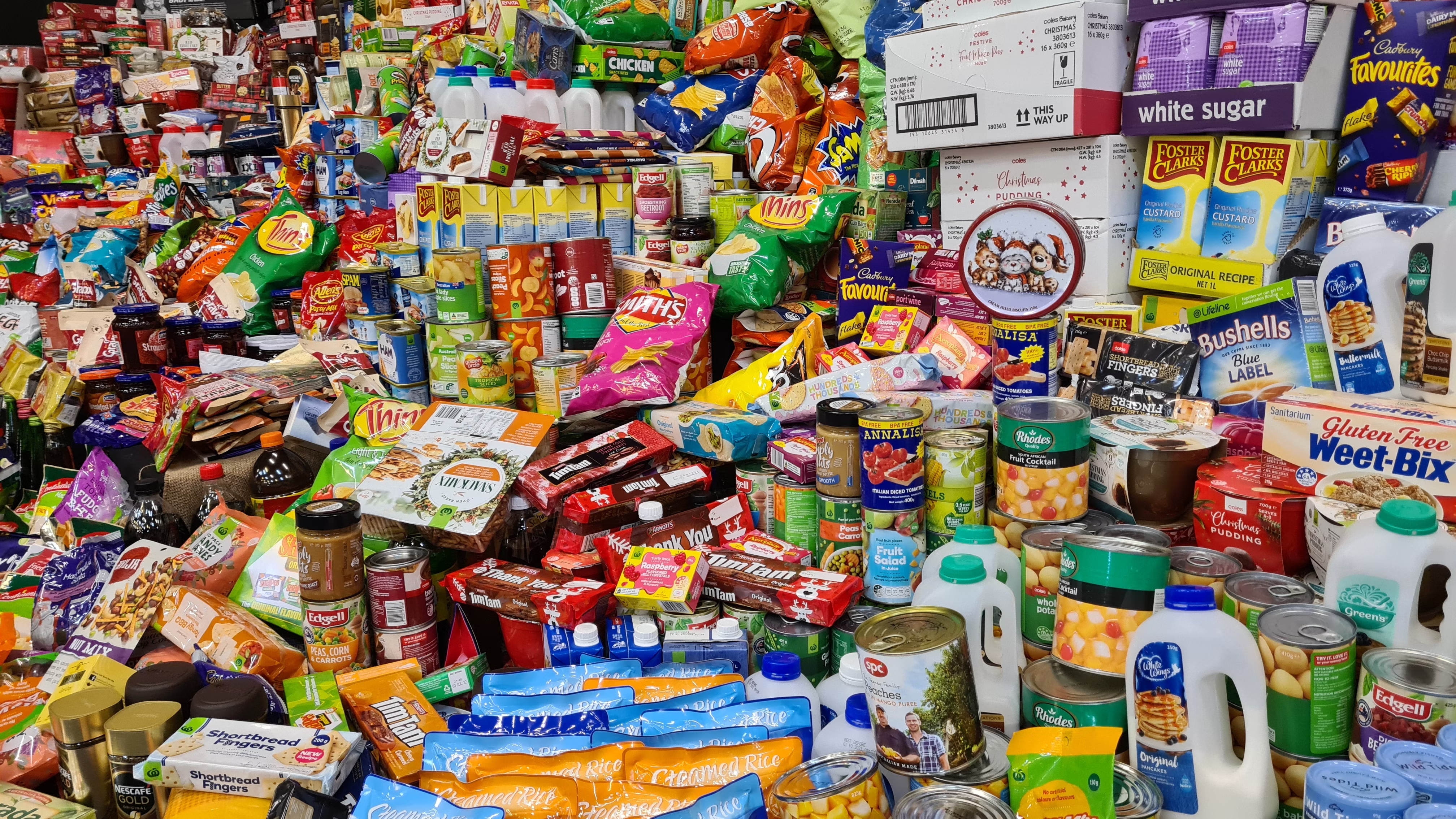
While many people understand the difference between unprocessed and processed foods, fewer recognise what sets processed foods apart from ultra-processed foods. The distinction lies in the degree of processing, the use of additives, and how artificial these food products have become.

Anti-inflammatory foods are particularly beneficial for gut health, especially for individuals dealing with conditions such as irritable bowel syndrome, SIBO, Candida infections, or Inflammatory bowel disease.

For individuals struggling with chronic gut issues, antimicrobial foods provide a valuable foundation for restoring balance. They help reduce harmful microbes, protect the gut lining, and encourage the growth of beneficial bacteria necessary for a healthy microbiome. This contributes to symptom relief, better digestion, and long-term healing.
candida.com
Discover what’s going on inside your gut today
Take the free 5-minute assessment and uncover the causes of your digestive symptoms, including:
✓ Candida Overgrowth
✓ SIBO & IBS
✓ Bloating & Food Intolerances
✓ Leaky Gut & Microbiome Imbalances
✓ Fatigue, Brain Fog & Digestive Symptoms
© 2026 candida.com.
* The statements on candida.com have not been evaluated by the FDA. Our website candida.com and all content on this website is not intended to diagnose, treat, cure, or prevent any disease. Information is presented for educational purposes only and is not intended to replace the advice of your healthcare professional.
Candida.com
Support
Discover what’s really going on inside
Take the free 5-minute Gut Health Assessment and uncover causes of your digestive symptoms, including:
✓ Candida Overgrowth
✓ SIBO & IBS
✓ Bloating & Food Intolerances
✓ Leaky Gut & Microbiome Imbalances
✓ Fatigue, Brain Fog & Digestive Symptoms
your gut today:
Join more than 1,000 people who have taken this assessment:
©2026 candida.com.
* The statements on candida.com have not been evaluated by the FDA. Our website candida.com and all content is not intended to diagnose, treat, cure, or prevent any disease. Information is presented for educational purposes only and is not intended to replace the advice of your healthcare professional.
