Diet and Nutrition

A variety of foods including raw chicken, beef, eggs, cheese, salmon, veggies, fruits, pasta, nuts, and seeds, arranged on a wooden surface.

Diet and Nutrition Category

The Diet and Nutrition category is your essential resource for understanding how the right foods—and the right habits—can help rebalance the gut, reduce Candida overgrowth, and restore long-term wellness. Whether you’re just starting out or refining your approach, this section walks you through the foundations of a Candida-safe diet grounded in whole, natural, and therapeutic foods.

You’ll learn how to make powerful dietary changes that reduce inflammation, stabilise blood sugar, and discourage the growth of yeast and harmful bacteria. With expert insights and practical tools, you’ll discover how to eat in a way that supports microbiome healing, detoxification, and digestive repair—while still enjoying your meals.

The Diet and Nutrition category includes:

As Eric Bakker ND often explains, this shouldn’t be seen as a rigid “Candida diet” — because consistently eating well benefits your whole body, regardless of the label. Our guidance on Candida and gut health nutrition is evidence-based, clinically informed, and grounded in years of real-world experience.

Key Diet and Nutrition Pages

The Candida Diet

The Candida diet is not some short-term “cleanse”—it’s a lifestyle built on evidence-based principles, clinical experience, and traditional wisdom. A diet rich fruits and vegetables, cultured foods, and targeted supplements can help reduce pathogenic load while rebuilding the gut with beneficial flora.

As you’ll discover, eating for Candida recovery isn’t about restriction—it’s about renewal. Many people report clearer skin, improved mood, better digestion, and increased energy within just weeks of starting.

Anti-Candida Diet

The Candida diet is a targeted, low-sugar, whole-foods approach designed to deprive Candida and dysbiotic bacteria of its fuel—while nourishing the body with what it truly needs to heal. The anti-Candida diet focuses on:

  • Eliminating refined sugars, processed foods, and yeasty or mold-prone items
  • Emphasising fiber-rich plant foods, quality proteins, and healthy fats
  • Reducing inflammation and supporting detox pathways
  • Rebuilding gut flora with probiotics, prebiotics, and fermented foods

Key Food Action Pages

Candida albicans is part of the normal gut microbiota, but when its environment becomes unbalanced—due to antibiotics, stress, or poor diet—it can shift into an invasive, pathogenic form. Left unchecked, overgrowth can contribute to fatigue, brain fog, bloating, skin conditions, and more (Pérez 2021).

By adopting the Candida diet, you’re not just eliminating yeast-promoting foods—you’re resetting your entire internal ecosystem. The benefits often extend far beyond digestive health, supporting weight balance, blood sugar control, hormonal harmony, and even mental clarity.

The Diet and Nutrition Category Covers

  • Candida diet basics and advanced strategies
  • Sample meal plans, shopping guides, and pantry checklists
  • Food reintroduction and tolerance testing (including the 3 Laws of Reintroduction)
  • Strategies for managing cravings and emotional eating
  • Digestive enzyme and probiotic support
  • Culturally inspired recipes from the Foundation Diet (part of the Ultimate Candida Cleanse Program)
  • FAQs on gluten, dairy, grains, and resistant starches
  • Links between diet, immunity, and microbiome restoration

Whether you’re dealing with long-standing gut issues or simply want to optimize your diet for better energy and resilience, this section will help you take confident, informed steps toward a healthier, yeast-free life.

  • Butter

    For years, butter has been unfairly vilified as a harmful source of fat, blamed for clogging arteries and contributing to various health issues. However, despite being a saturated fat, butter plays an essential role in brain function and overall maintenance of the body.

  • Ghee

    Ghee has been cherished for its incredible healing properties for centuries, not just in its native Indian and Pakistani cultures but globally as well. For those unfamiliar, ghee is a by-product of milk, created by gently heating cow’s butter until the water evaporates, leaving behind a nutrient-rich fat.

  • Seaweed

    Seaweed, sometimes referred to as sea vegetables or marine algae, includes a wide variety of marine algae that grow in our oceans and rivers. Learn all about seaweed, one of the world’s most beneficial foods!

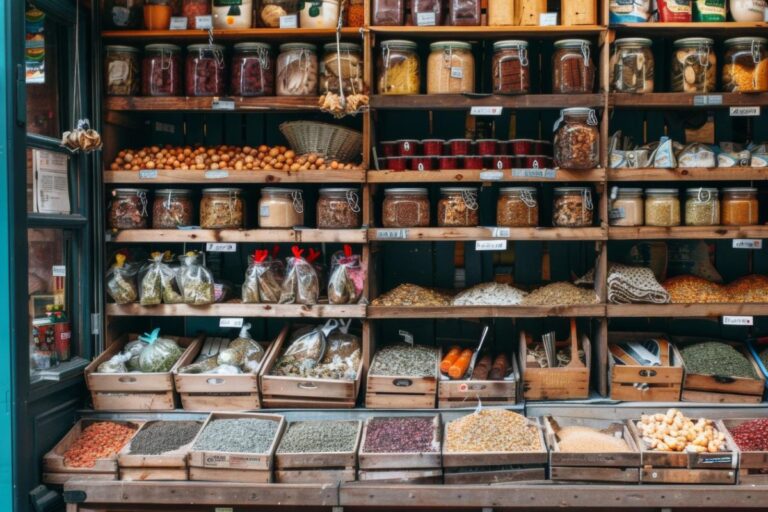
  • Spices and Condiments

    Herbs, spices, and condiments have long been treasured for their ability to transform meals with bold flavours, but their benefits go far beyond the palate. They possess powerful properties that support gut health, fight-off harmful pathogens, and even boost overall health and wellbeing.

  • Cinnamon

    Cinnamon is a spice that has been used for thousands of years. It has powerful antibacterial and antifungal properties that make it most useful when it comes to Candida overgrowth and SIBO.

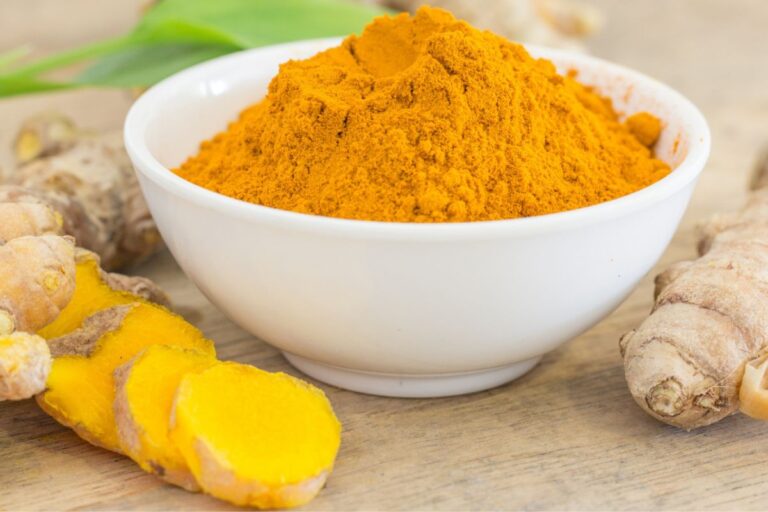
  • Turmeric

    Turmeric (Curcuma longa) is a yellow spice prized for its vibrant colour, earthy flavour, and powerful health benefits. Learn all there is to know about turmeric.

  • Cloves

    Cloves are a rich source of phenolic compounds like eugenol and gallic acid, giving them significant potential in pharmaceutical, cosmetic, food, and agricultural applications. They are an excellent antifungal.

  • Nutmeg

    Nutmeg is not a nut but the seed of the Myristica fragrans tree, an evergreen tree species native to Indonesia’s Banda Spice Islands, also known as the Moluccas. This tropical tree is the source of two prized spices: nutmeg and mace.

  • Mushrooms And Candida

    The question of whether mushrooms are safe to consume during Candida overgrowth is a topic of hot debate. Most anti-Candida diets recommend avoiding mushrooms due to their fungal nature, but this is unfounded and scientifically unproven.

  • Sauerkraut

    Why Is Sauerkraut So Good For Us? Long before the advent of modern refrigerators, freezers, or commercial canning, people relied on fermentation and salting…